ancient civilizations
-
Mythology as Compression …And the Limits of Ancient Language
This installment of the Leviathan series examines how ancient writers may have used limited vocabulary and familiar imagery to describe unfamiliar realities. It argues that biblical accounts of Leviathan could blend observation and symbolism, helping explain recurring patterns across Scripture and other cultures while preserving the text’s theological purpose and leaving the creature’s exact nature…
-
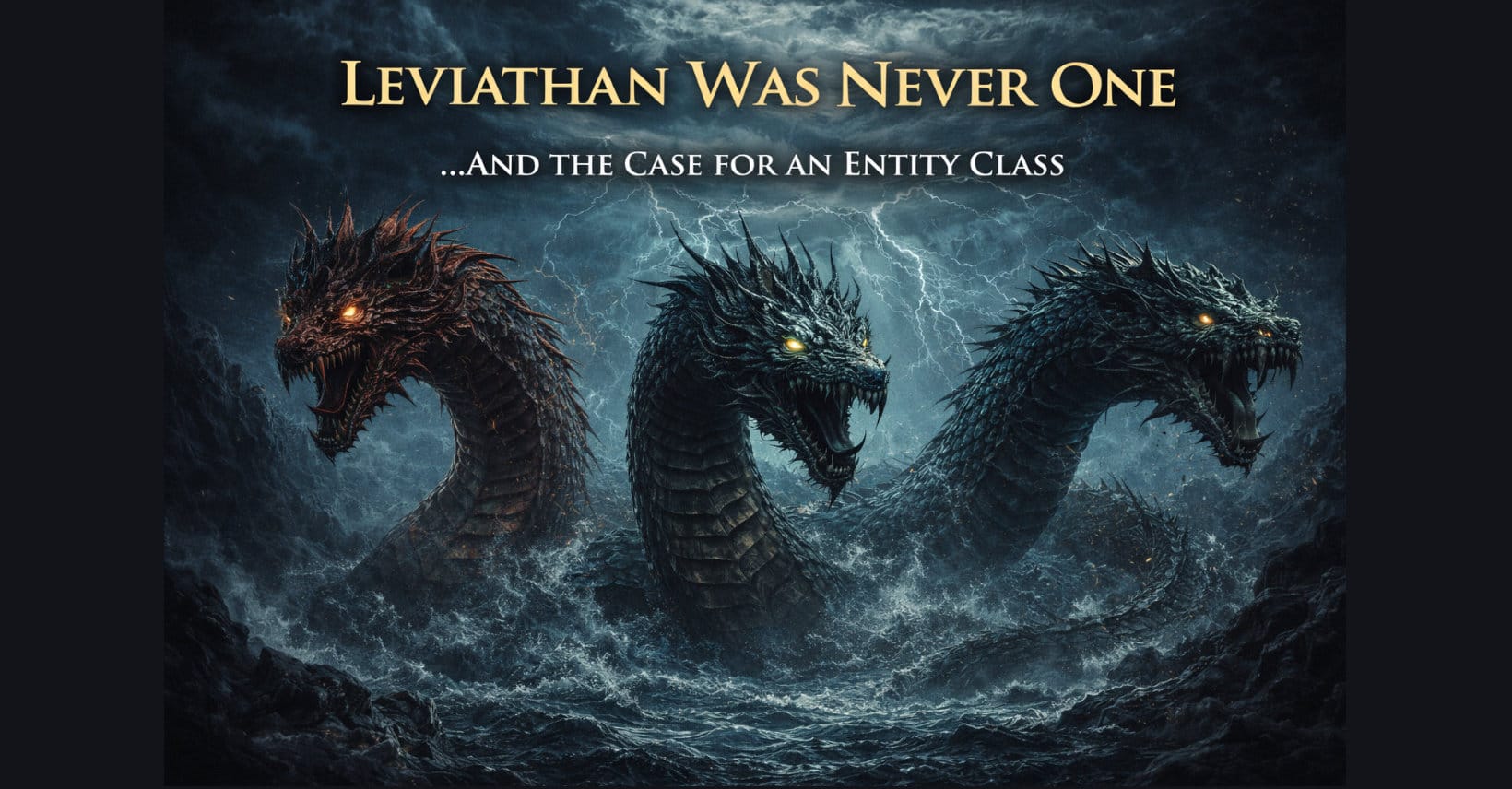
Leviathan Was Never One …And the Case for an Entity Class
This article argues that Leviathan may be better understood as a category rather than a single creature. Drawing on Job, Psalms, Isaiah, and cross-cultural parallels, it highlights recurring traits like serpentine form, deep-sea association, and resistance to authority, then asks why modern interpretation has largely reduced this ancient pattern to symbolism.
-
The Deep Remains Unseen …And What We Still Cannot Explain
This article examines the deep ocean as a partially unexplored domain that ancient texts often associated with Leviathan, Tiamat, and Apep. It argues that modern science still faces real limits in observing the deep, and that this ongoing unknown helps contextualize biblical and ancient descriptions without proving any specific entity.
-
Why the Sea? …And the Domain Humanity Cannot Govern
This article examines why Leviathan, Lotan, Tiamat, and Apep are consistently placed in hidden, inaccessible domains like the sea, abyss, or underworld. It argues that the setting is not incidental but central to the pattern, framing the ocean as a boundary beyond human control and a key part of the theological and symbolic interpretation.
-
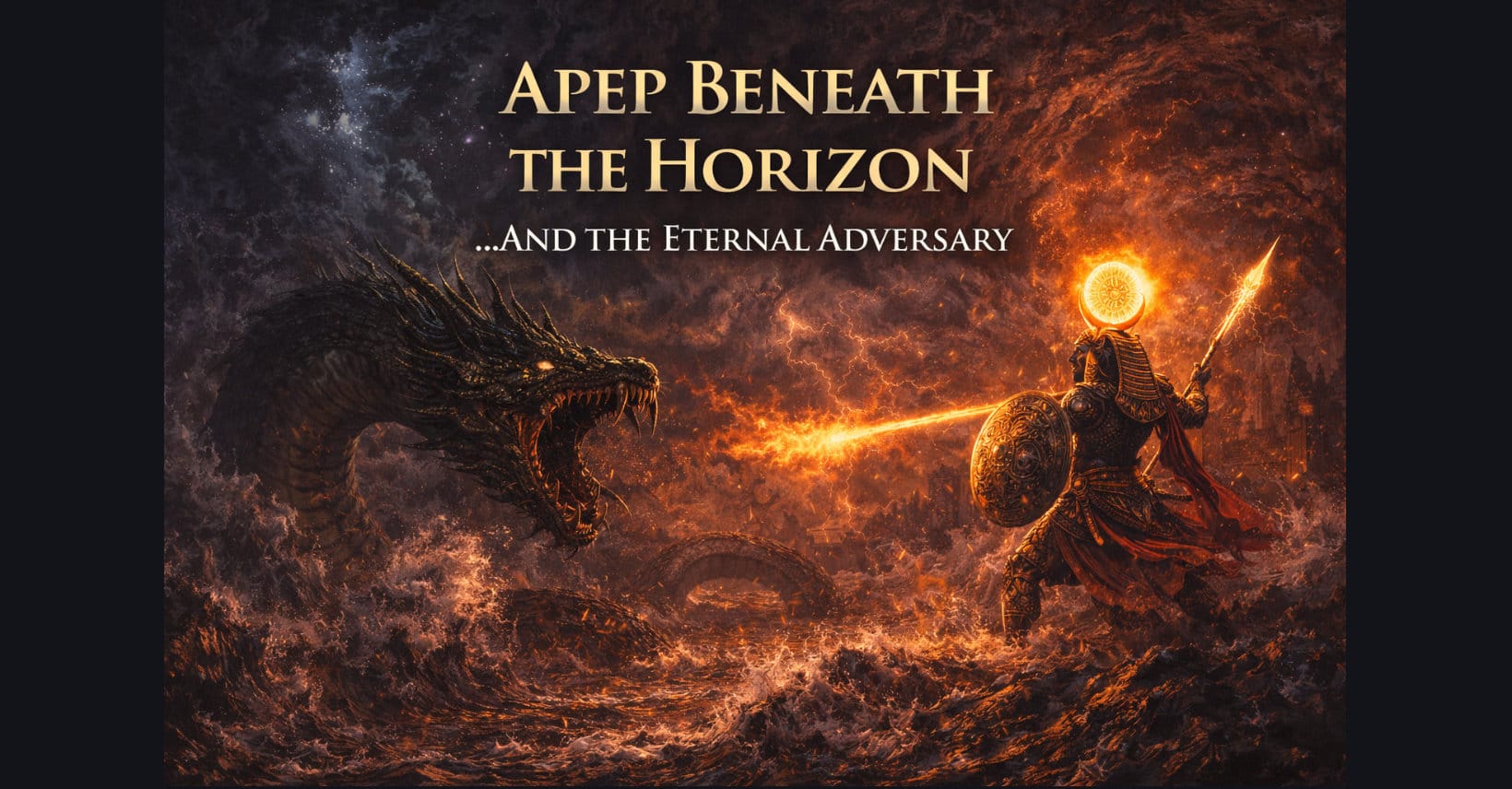
Apep Beneath the Horizon …And the Eternal Adversary
This article examines the Egyptian serpent Apep and its role in a recurring cross-cultural pattern of chaos beings found in Hebrew, Ugaritic, Mesopotamian, and Egyptian traditions. It highlights shared traits such as serpentine form, hidden domains, opposition to authority, and conflict that sustains order, while noting Apep’s cyclical resistance versus Leviathan’s appointed judgment.
-
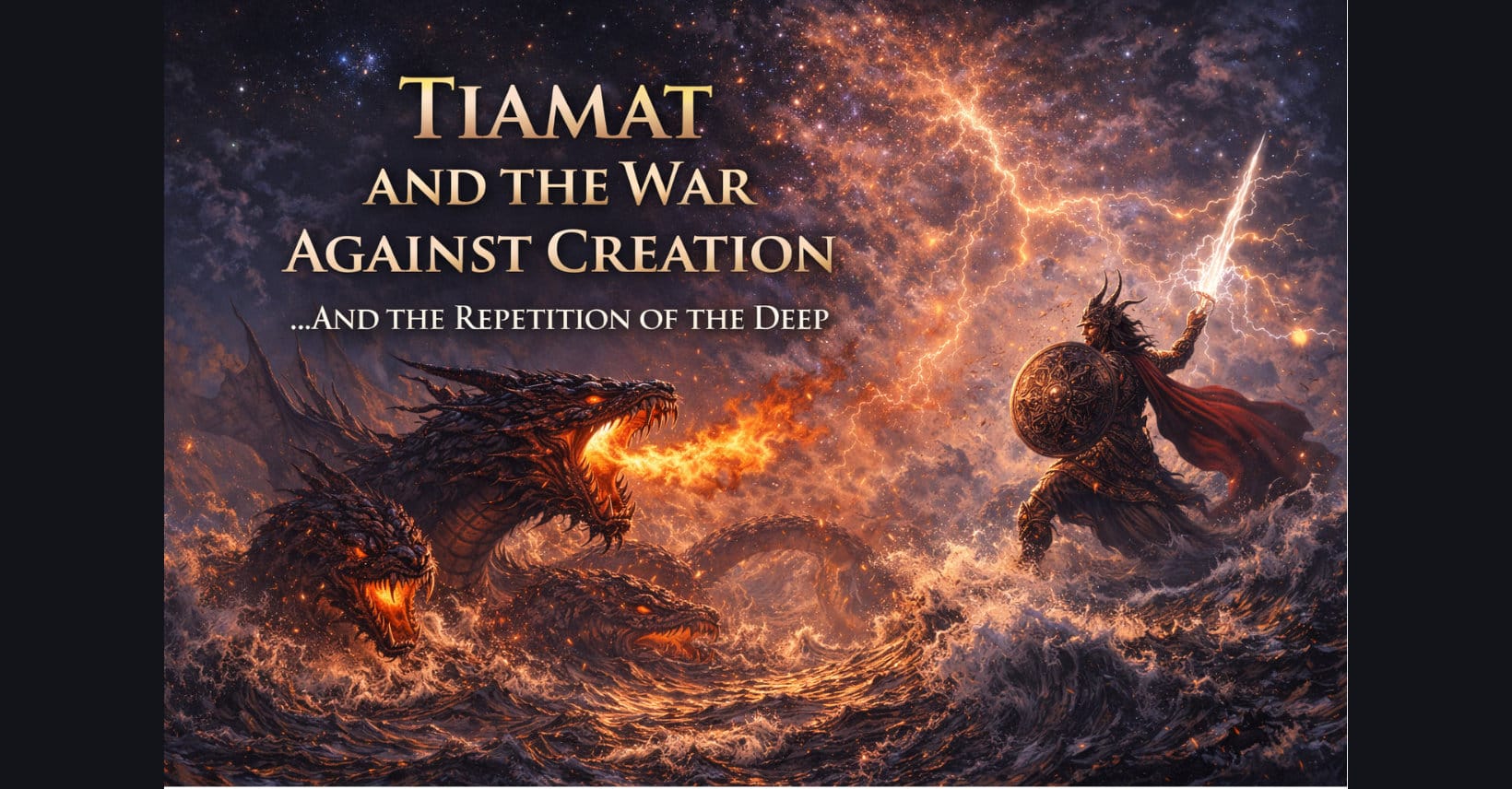
Tiamat and the War Against Creation …And the Repetition of the Deep
This article expands the Leviathan discussion beyond the Bible, comparing it with Ugaritic Lotan and Mesopotamian Tiamat. It highlights a recurring pattern of sea-associated, serpentine chaos figures defeated by higher authority, while stressing a key biblical distinction: Leviathan is created, not primordial. The piece sets up a continued investigation into Apep and related traditions.
-
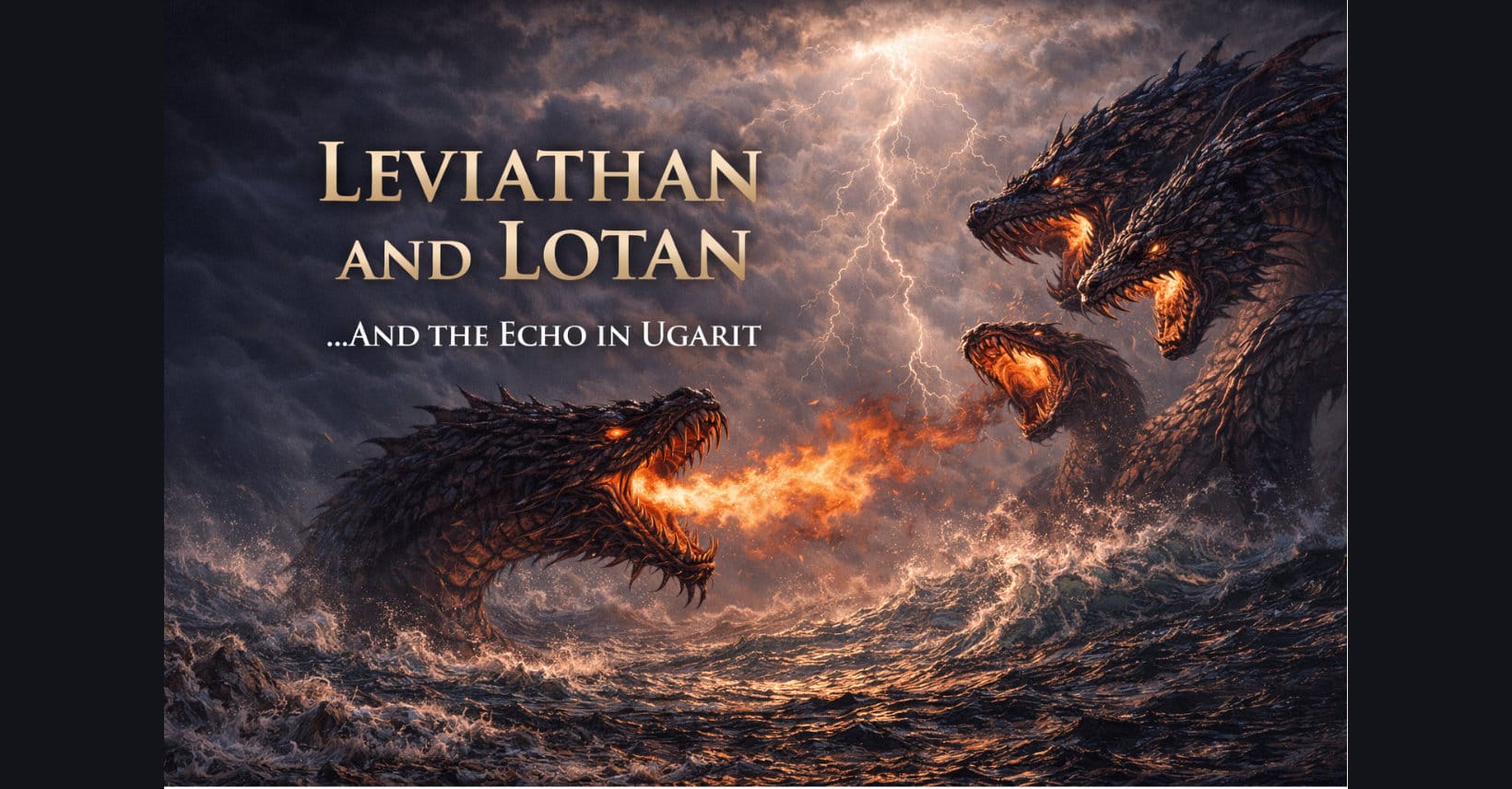
Leviathan and Lotan …And the Echo in Ugarit
This article expands the Leviathan discussion beyond Scripture by comparing it with the Ugaritic figure Lotan. It highlights shared features such as serpentine form, sea association, multiple heads, and defeat by a higher authority, then weighs possible explanations including borrowing, symbolic convergence, and shared observational memory before setting up a comparison with Tiamat.
-
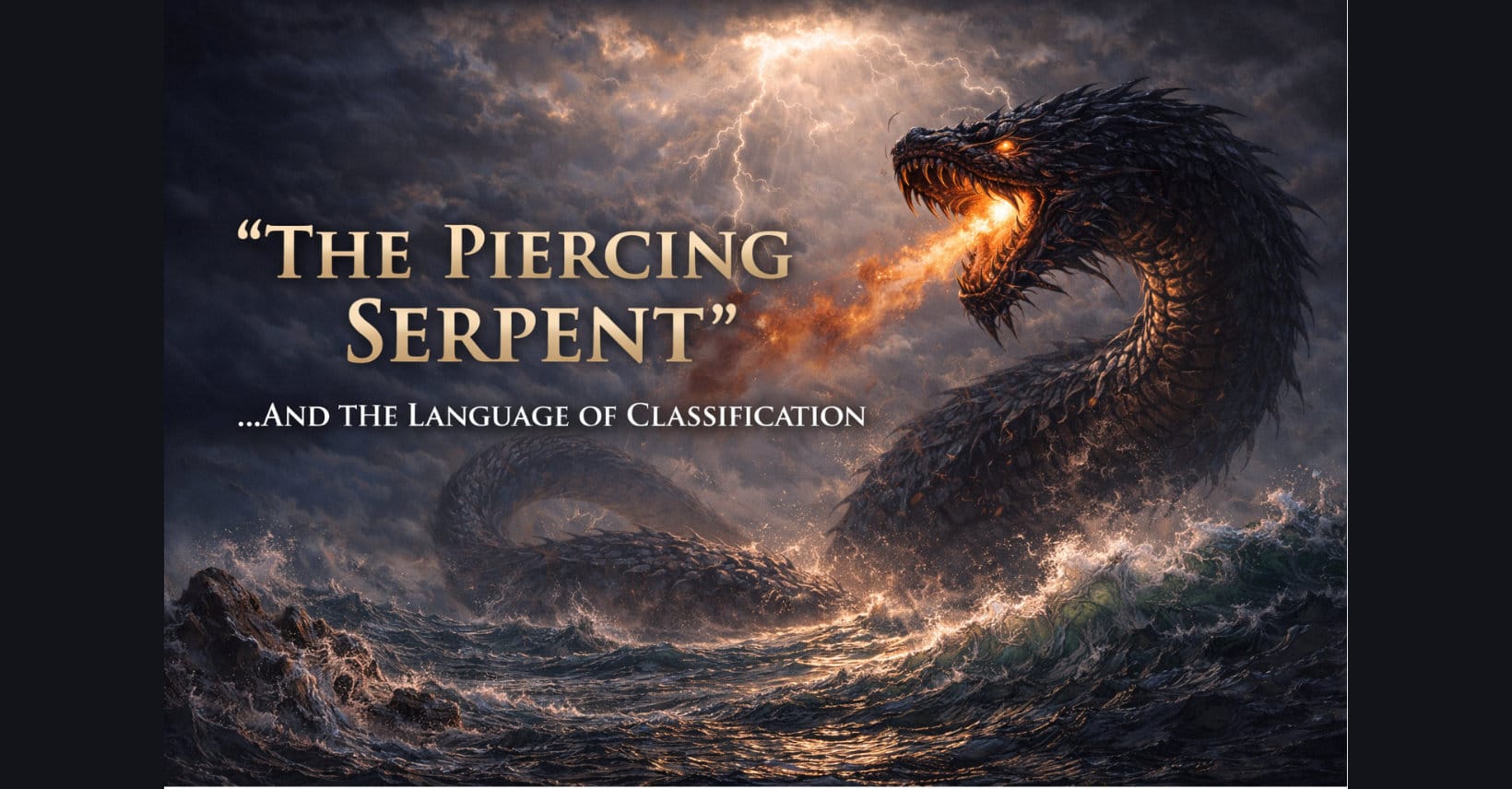
“The Piercing Serpent” …And the Language of Classification
This article examines Leviathan in Isaiah 27:1, where it is described as a piercing serpent, crooked serpent, and sea dragon. Building on Job and Psalms, it argues that Scripture layers physical traits, behavior, environment, and future judgment to portray Leviathan with deliberate complexity, setting up a comparison with the ancient Near Eastern figure Lotan.
-
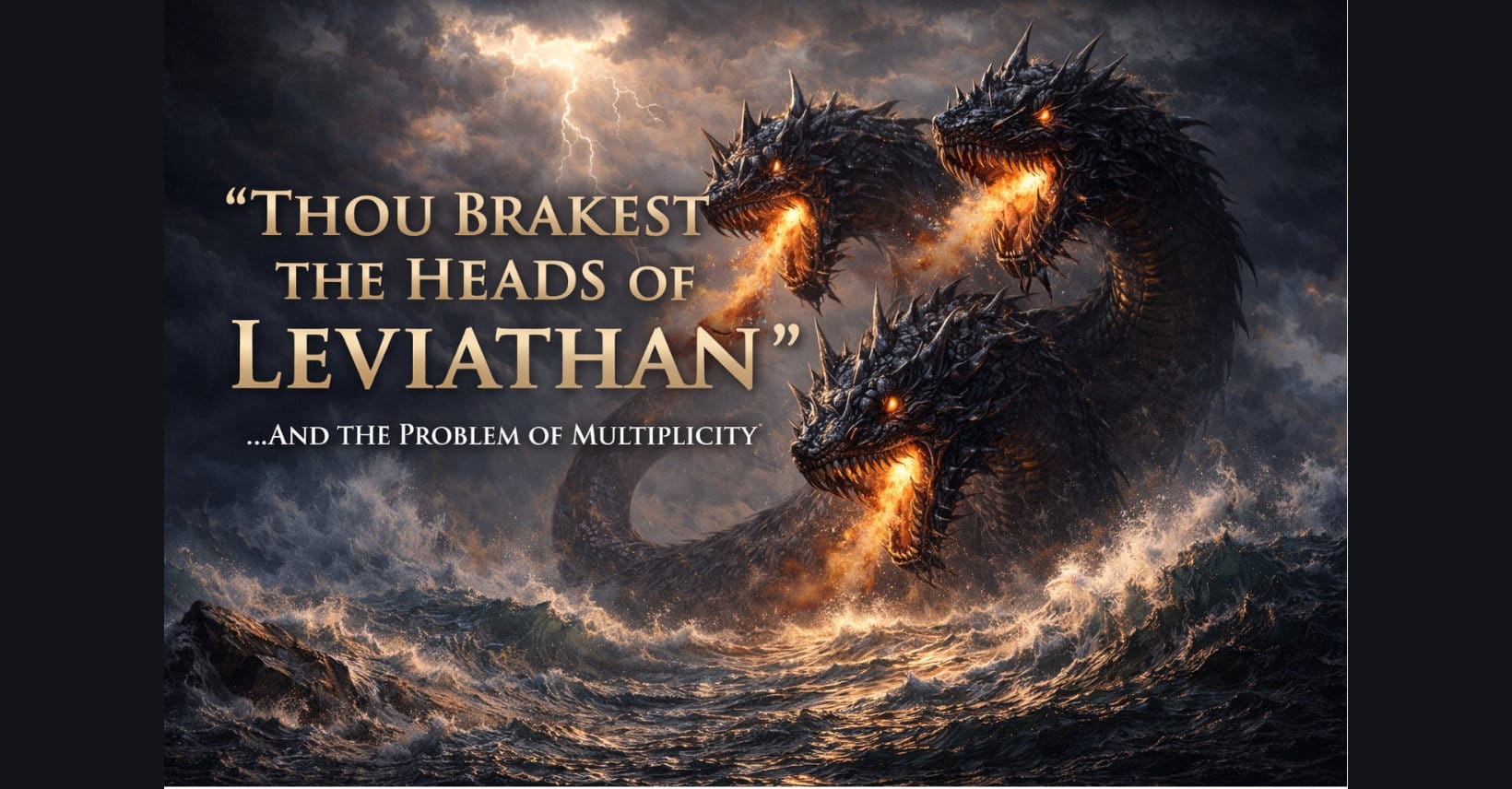
“Thou Brakest the Heads of Leviathan” …And the Problem of Multiplicity
Psalm 74’s reference to Leviathan complicates the creature’s image from Job by describing God breaking “the heads of leviathan” in pieces. The passage raises questions about whether Leviathan is multi-headed, collective, or symbolic, while preserving vivid physical language. The article explores this ambiguity and sets up Isaiah’s even more complex classifications.
-
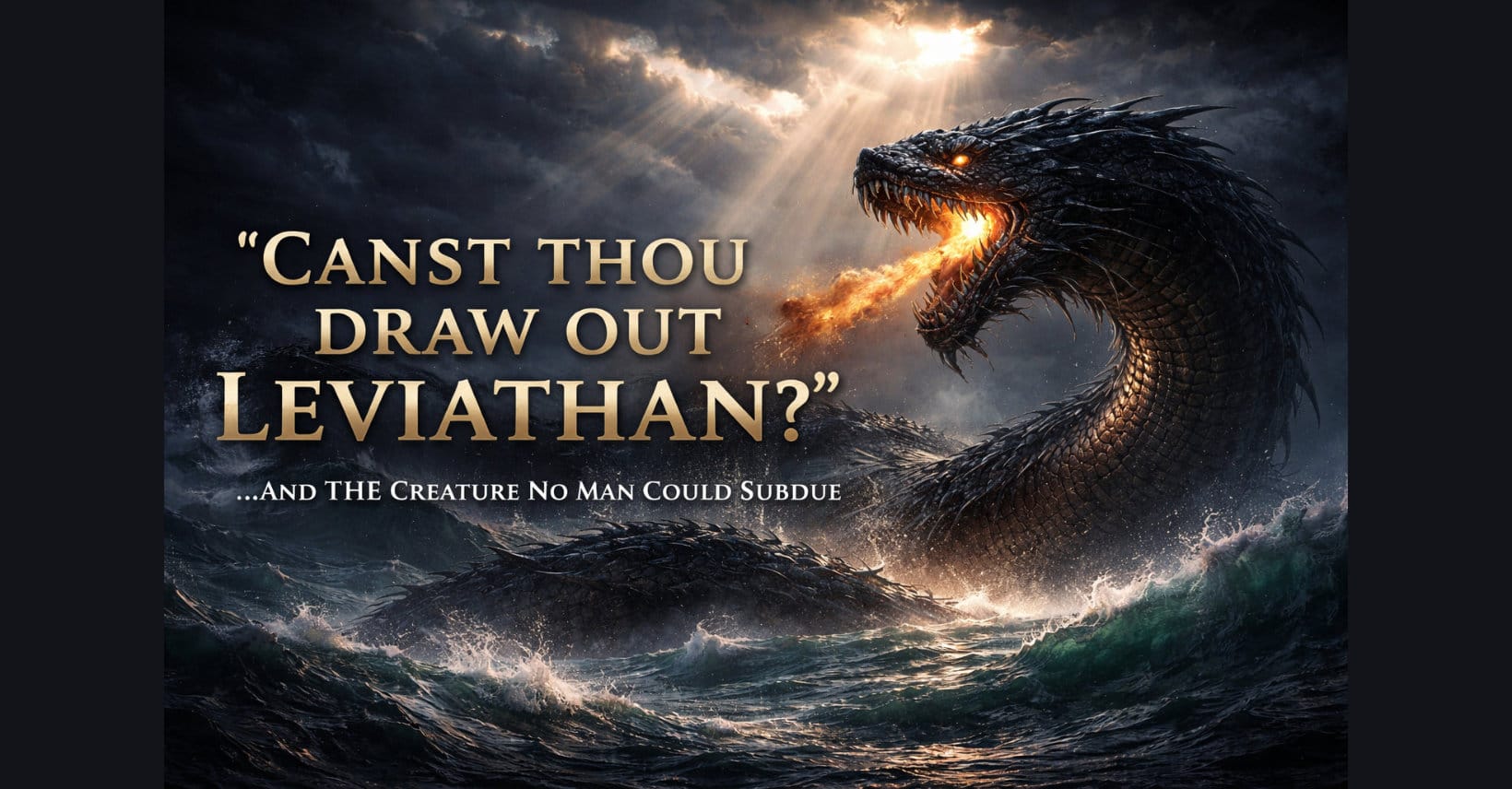
“Canst Thou Draw Out Leviathan?” …And the Creature No Man Could Subdue
A close reading of Leviathan in Job suggests the passage is more than poetic symbolism. Described with precise physical traits, fire, smoke, and complete resistance to human control, Leviathan is presented as a real and formidable entity. The article argues for careful interpretation and sets up a follow-up look at Psalm 74’s reference to Leviathan’s…