Newsletter Article
-
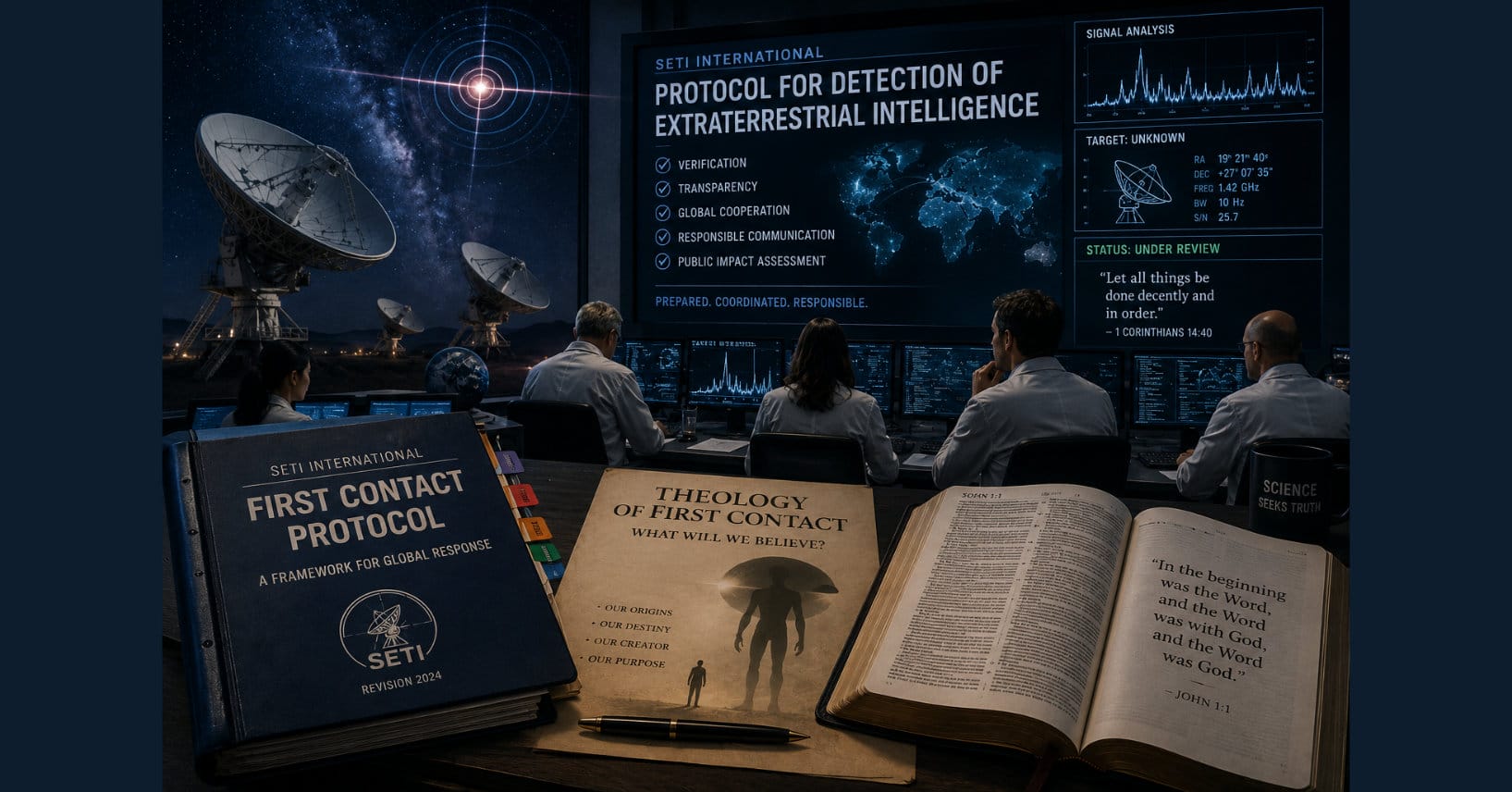
SETI’s New Rulebook and the Theology of First Contact
SETI’s updated protocols for handling a potential extraterrestrial signal are scientifically responsible, but they also reveal a cultural shift. As the world prepares for the possibility of first contact, Christians should consider not only the evidence but the worldview such an event could promote.
-
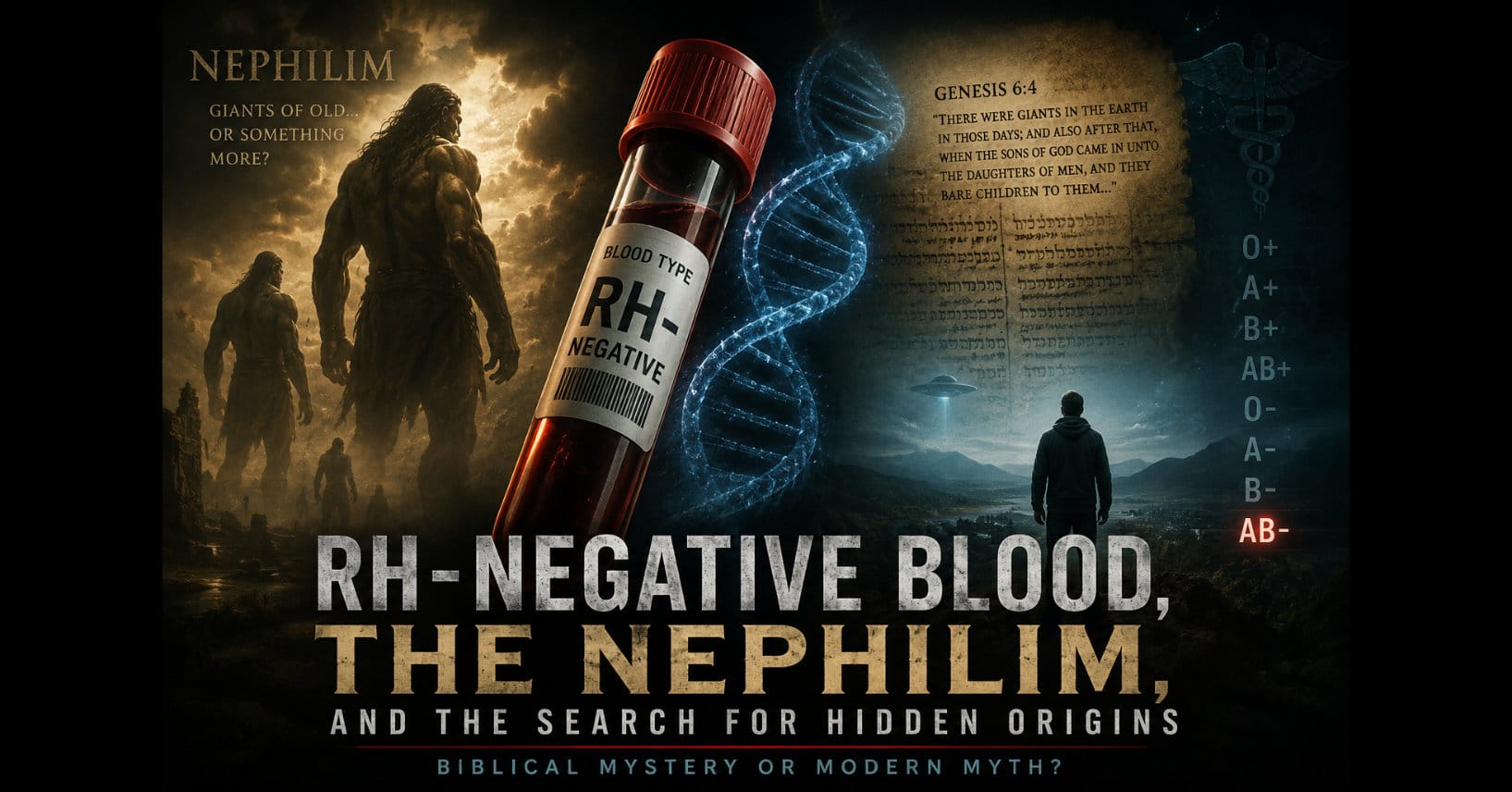
RH-Negative Blood, the Nephilim, and the Search for Hidden Origins
The post examines the claim that Rh-negative blood marks descendants of the Nephilim, noting how the theory circulates in conspiracy, UFO, New Age, and some Christian communities. It explains the Rh factor as a normal inherited blood trait and says genetics provides no evidence of non-human ancestry. It traces the idea to interpretations of Genesis…
-
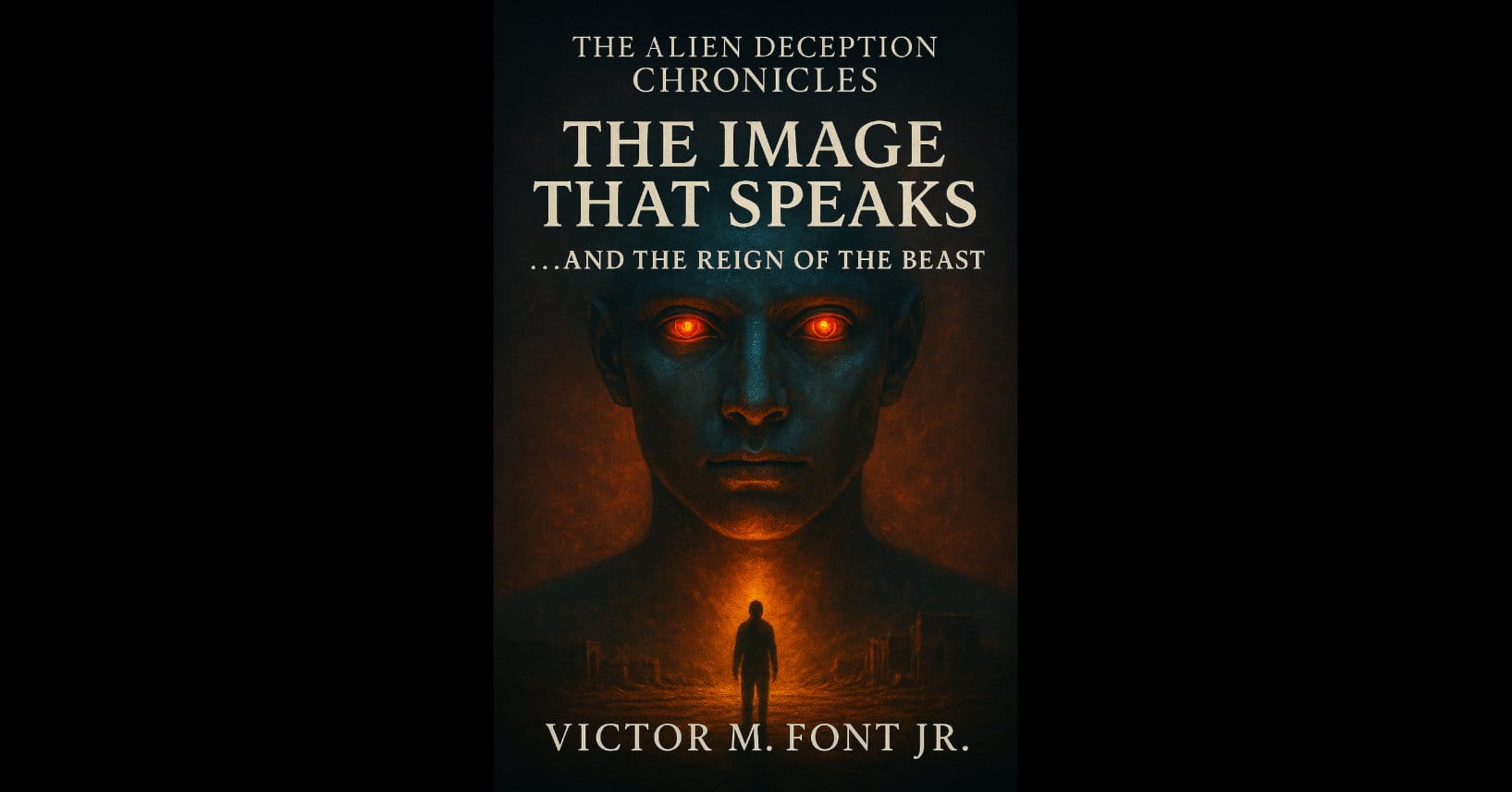
Now Available: The Image That Speaks… …And the Reign of the Beast
The fifth installment of The Alien Deception Chronicles has arrived. The Image That Speaks… …And the Reign of the Beast explores artificial intelligence, biblical prophecy, and the rise of a global deception unlike anything humanity has ever faced.
-
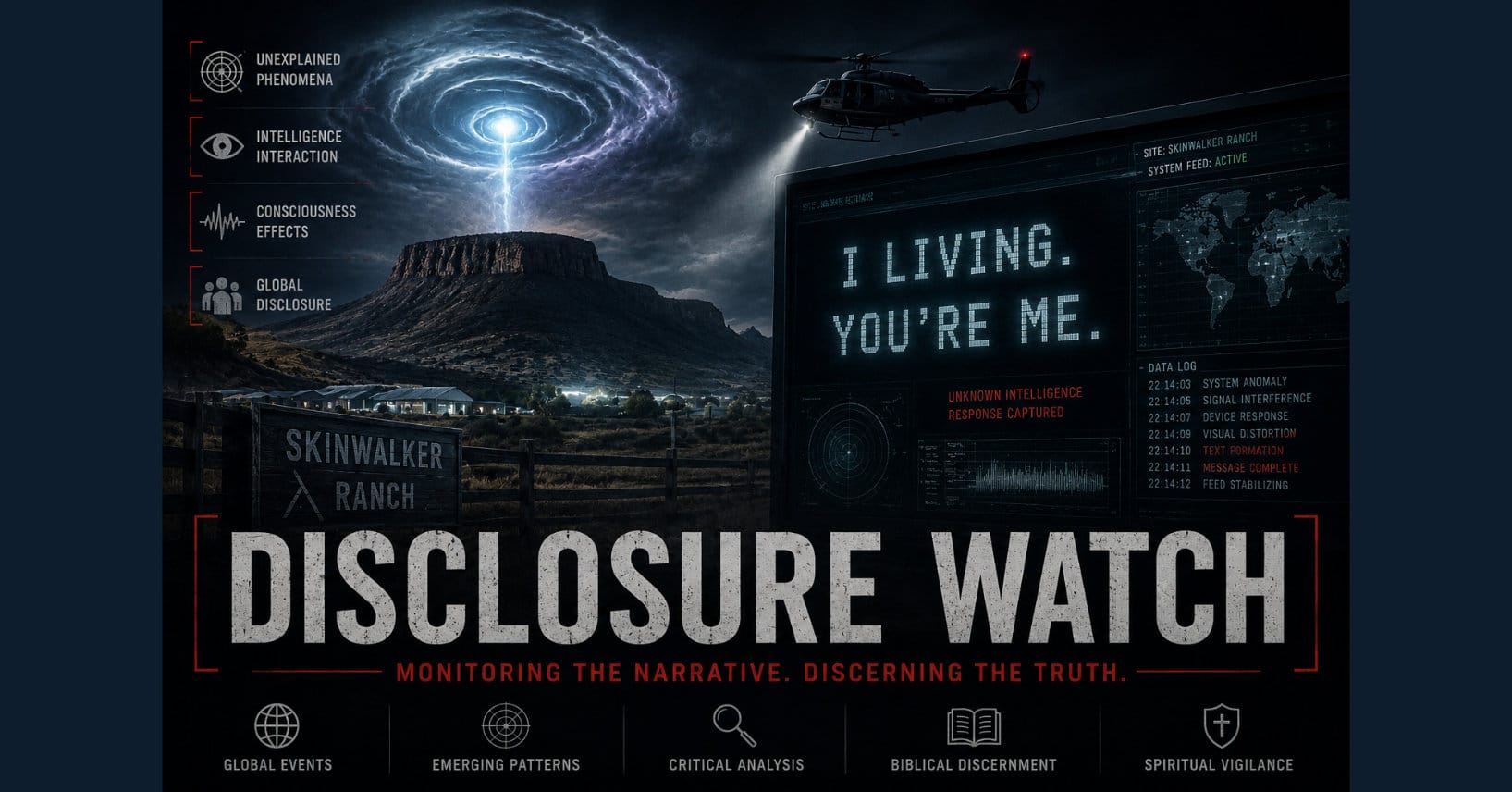
Skinwalker Ranch and the Rise of “Nonhuman Intelligence”
This article examines Skinwalker Ranch, claims of nonhuman intelligence, and the alleged “I living. You’re me” message through a biblical lens, asking whether modern UFO disclosure is reviving ancient spiritual deception in technological language.
-

The Image That Speaks
What if the most significant technological transformation in history does not arrive as a sudden event, but as the culmination of countless small steps? From synthetic voices and digital presence to mediation, compliance, and authority, this article brings together the themes of The Image That Speaks series and explores where the trajectory may ultimately lead.
-
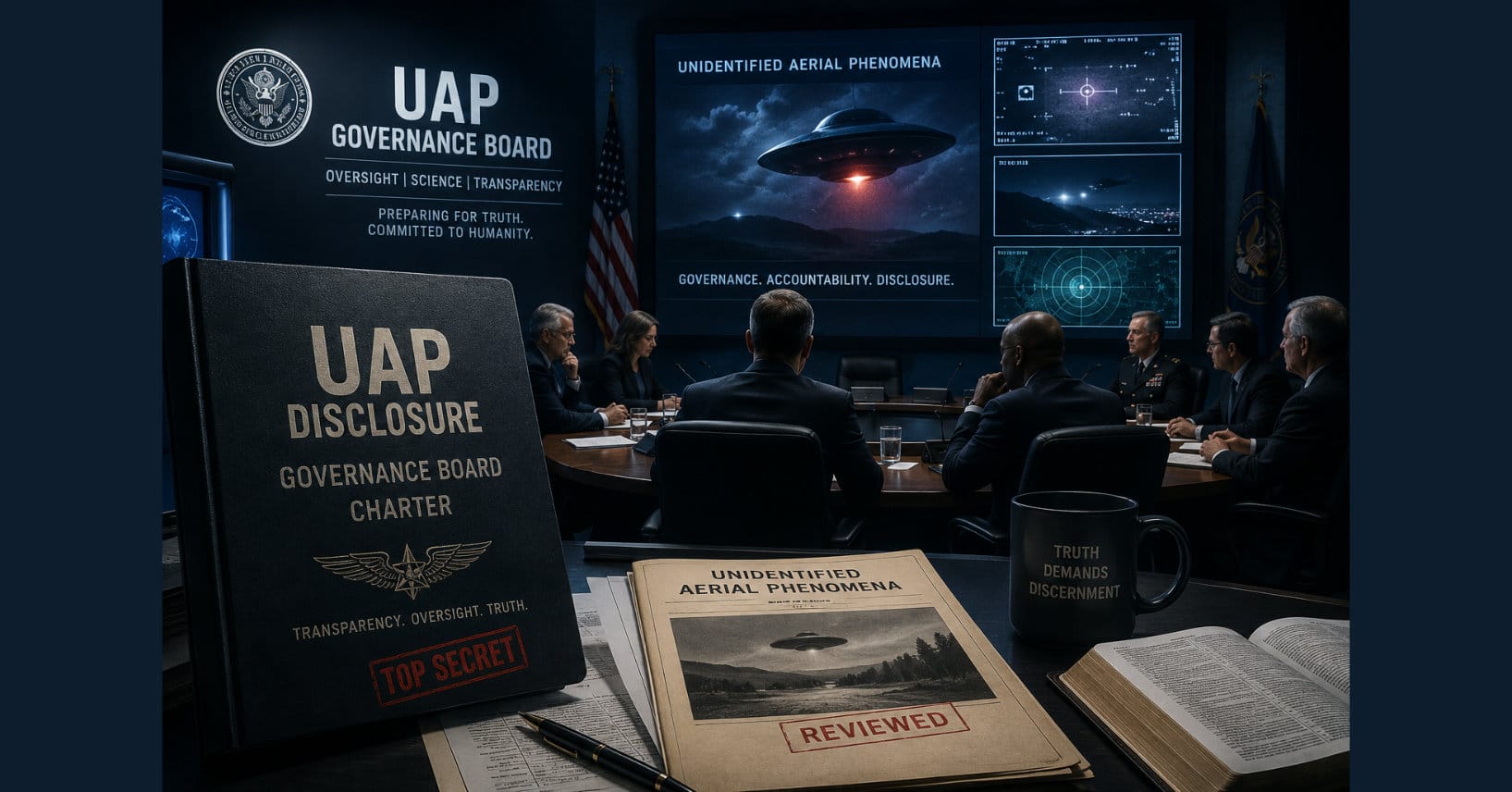
When UFO Disclosure Gets a Governance Board
Governments are creating formal structures to investigate UAPs, but institutional oversight is not proof of extraterrestrial intelligence. This article examines why Christians should distinguish official investigation from official confirmation.
-
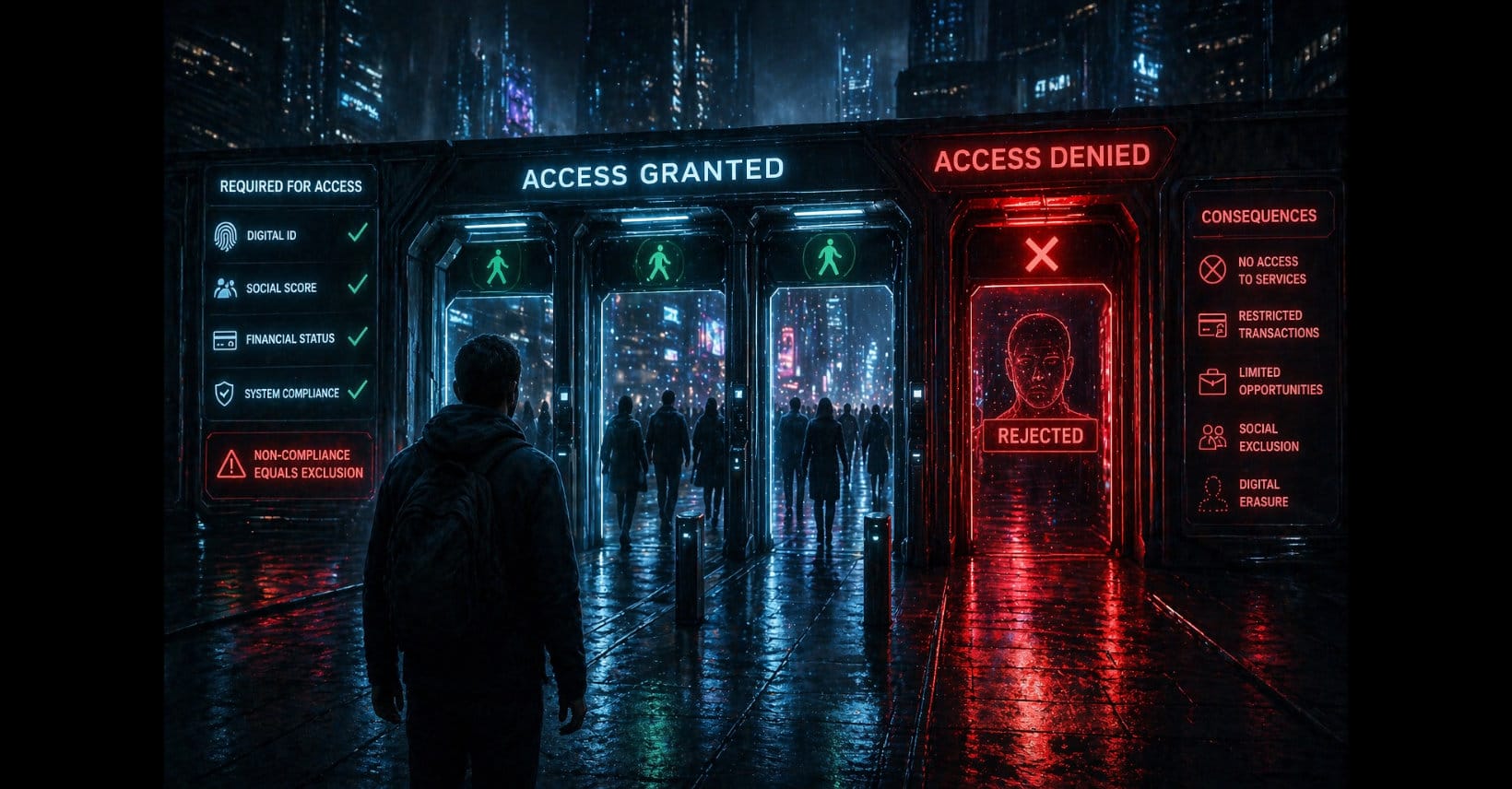
The Cost of Non-Compliance
Most systems begin by offering benefits, not demands. Yet throughout history, a common pattern emerges: participation becomes expected, alternatives become difficult, and refusal begins to carry consequences. This article examines the economic, digital, and social costs of non-compliance in an increasingly interconnected world.
-

When the Image Becomes the Mediator
Technology once helped humanity access information. Increasingly, it determines how information is received, interpreted, and trusted. As artificial intelligence becomes an intermediary between people and reality, a profound question emerges: what happens when the system becomes the primary gateway to truth?
-

The New UFO Files: Why “Unexplained” Is Not the Same as “Extraterrestrial”
New UAP files may raise legitimate questions, but “unexplained” does not automatically mean extraterrestrial. This article examines why Christians should approach UFO reports with discernment rather than speculation.
-

Breath Into the Image
The piece reflects on a scriptural image given “breath” and compares that idea to modern technology. It argues that animated, interactive images now move beyond static representation by speaking, reacting, adapting, and creating a sense of presence. It raises a speculative question about when responsiveness changes how an image is perceived. The conclusion suggests that…