Newsletter Article
-
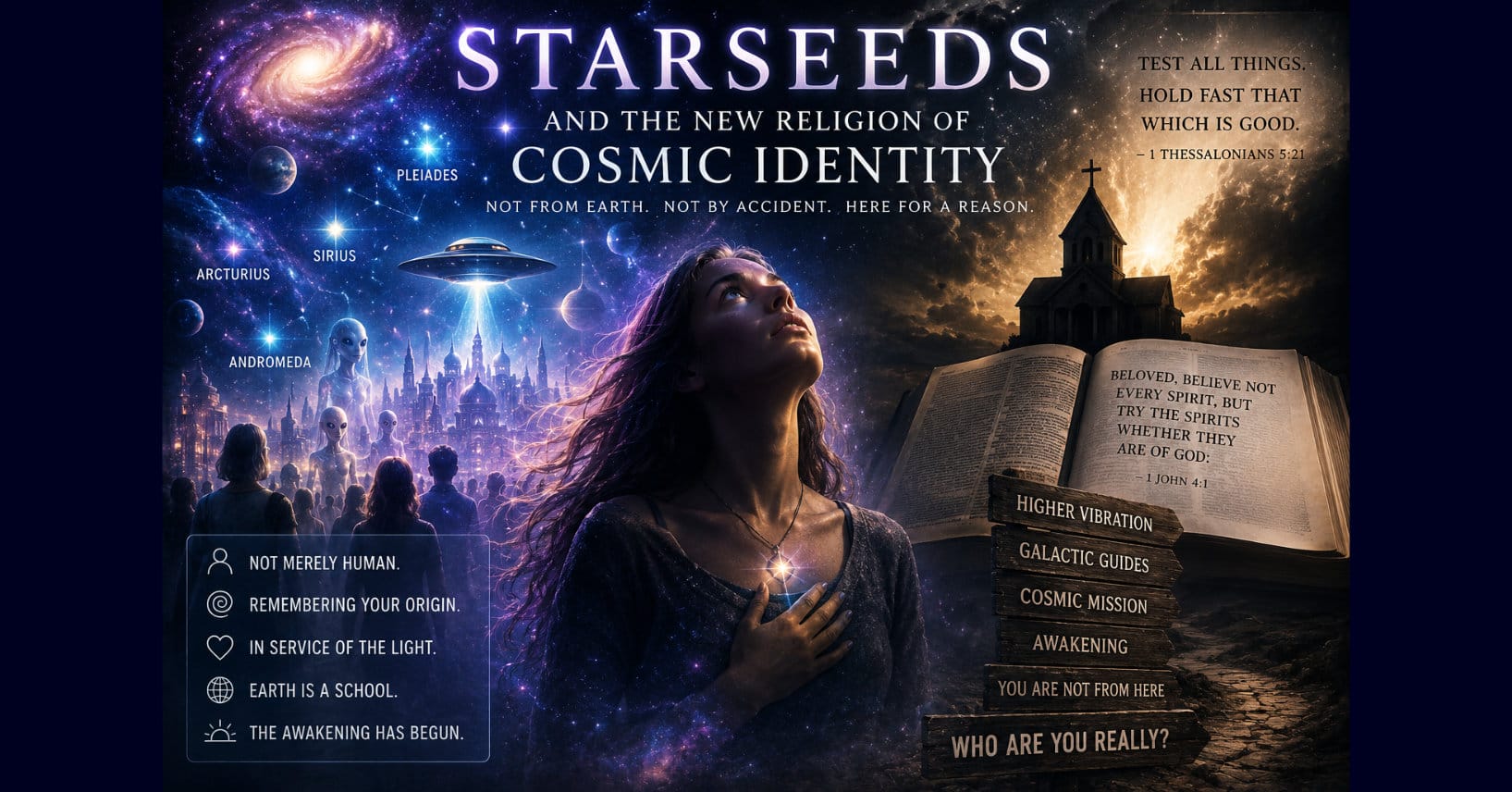
Starseeds and the New Religion of Cosmic Identity
Starseed spirituality is transforming extraterrestrial belief into something far more personal: an identity, a mission, and an alternative explanation for humanity’s origins, purpose, and salvation.
-
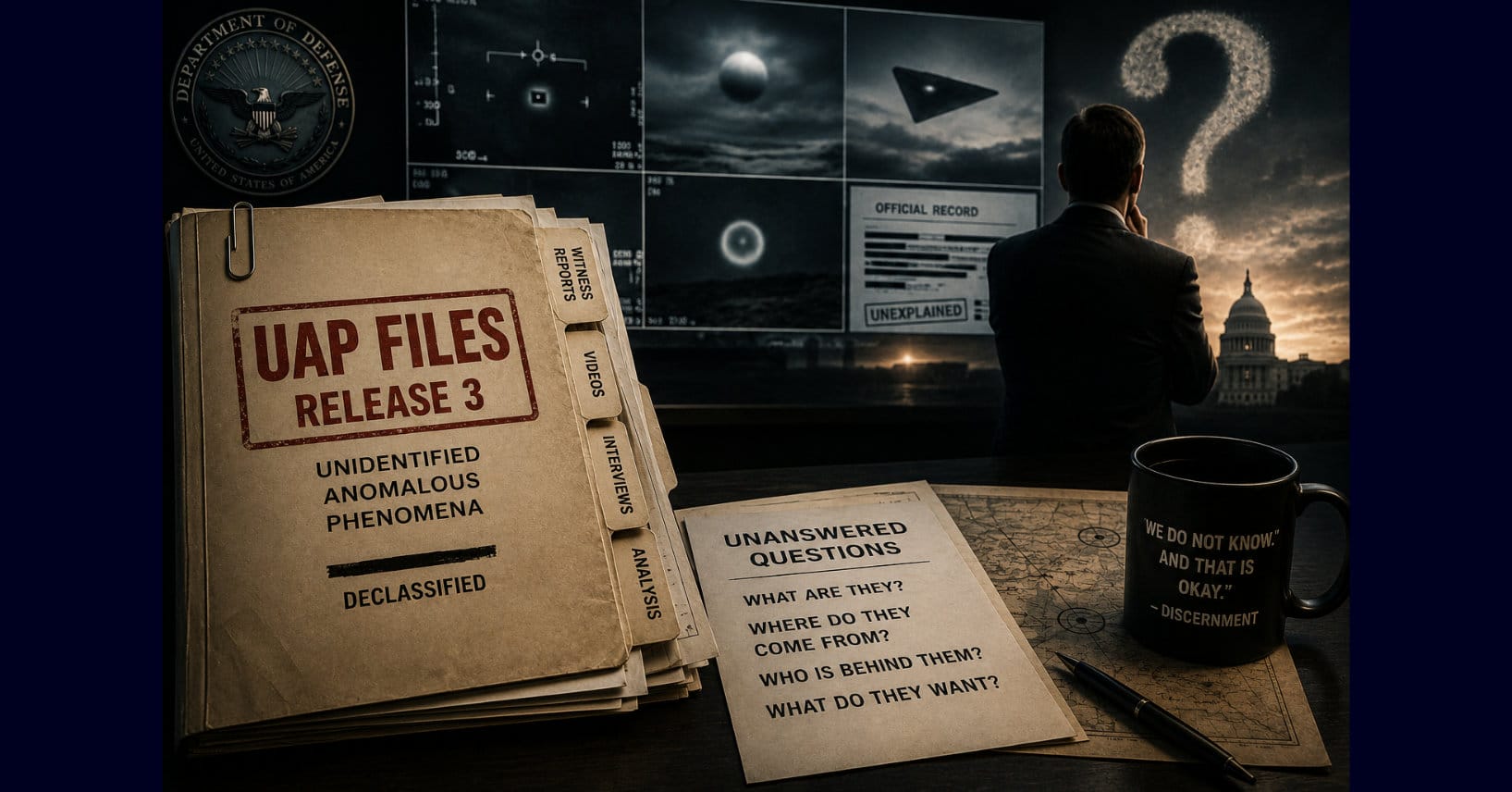
The Third UFO File Drop and the Power of Unanswered Questions
The Pentagon’s third UAP file release adds more videos, witnesses, and unexplained incidents to the public record. But unanswered questions can become powerful narratives when “unidentified” quietly turns into “extraterrestrial.”
-
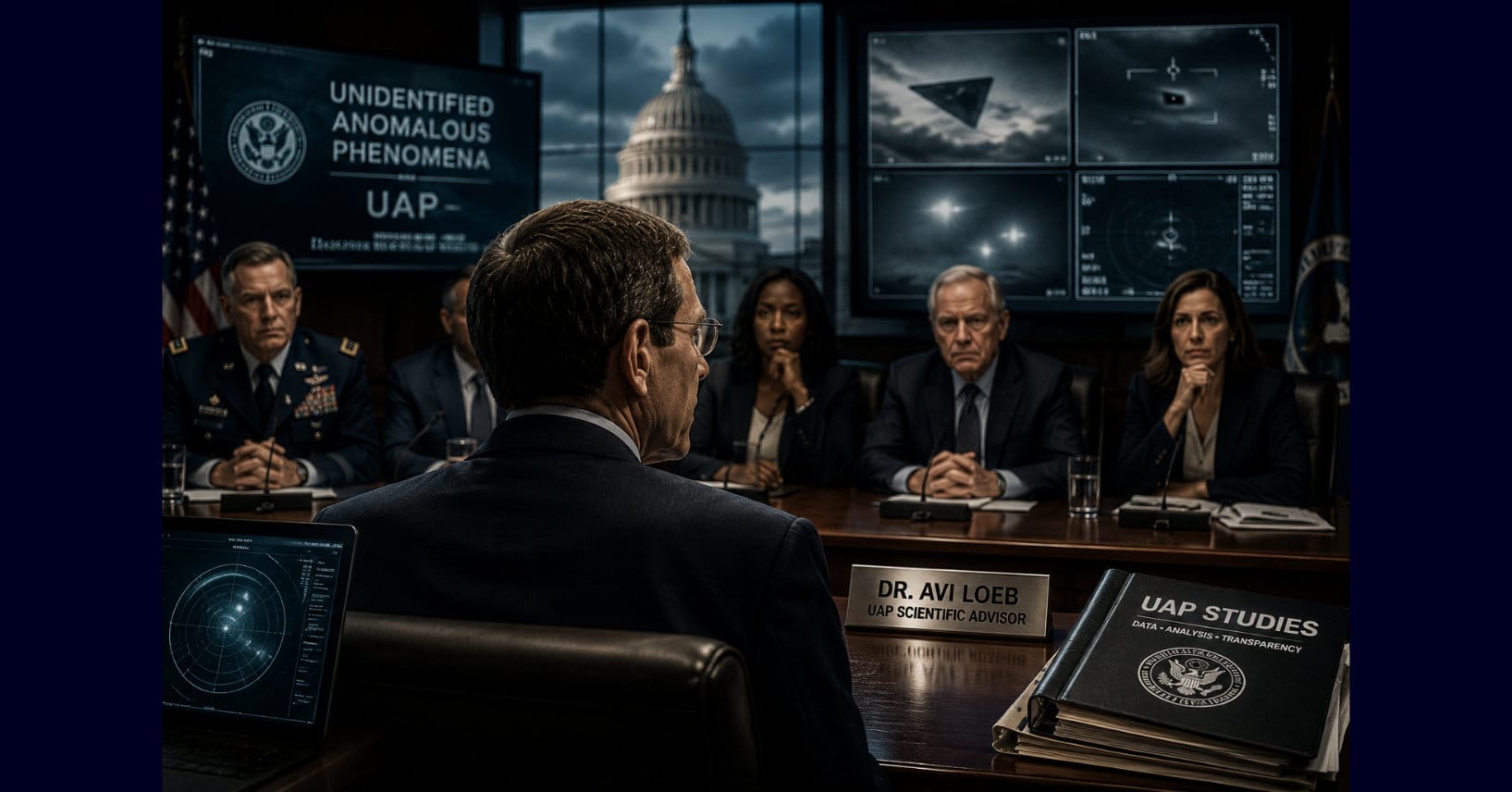
When the Alien Hunter Gets a Government Seat
Avi Loeb’s move into formal UAP advisory work marks another step in the institutionalization of the alien question. It proves nothing extraterrestrial—but it may change what the public is prepared to believe.
-
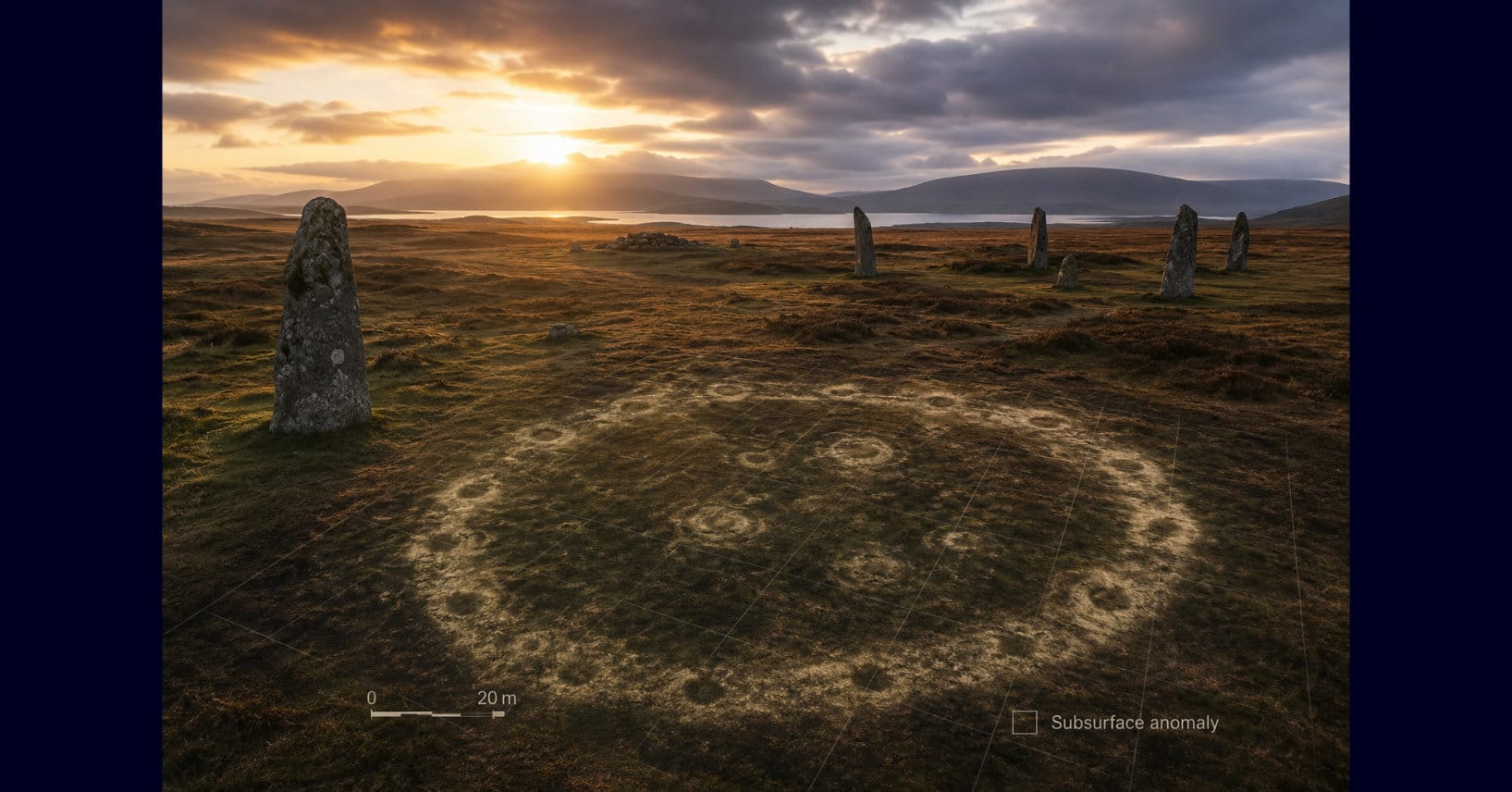
Another Circle Beneath the Moor: Archaeology or Ancient Aliens?
A newly detected prehistoric circle beneath Machrie Moor adds another layer to Scotland’s remarkable ancient landscape—and another opportunity to separate archaeological wonder from ancient-alien speculation.
-
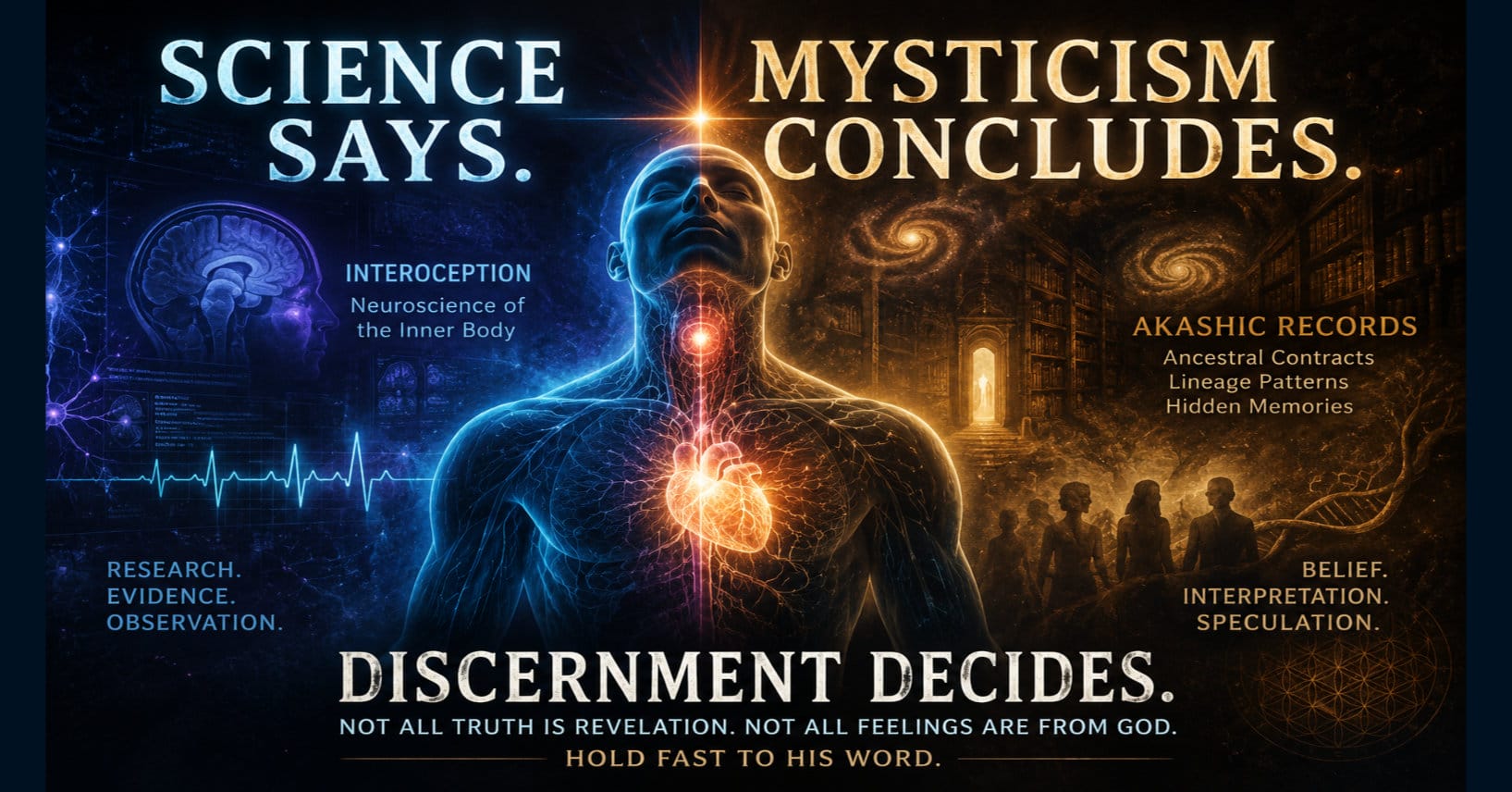
Science Says. Mysticism Concludes. Discernment Decides.
Science can explain interoception, but it cannot validate Akashic Records, ancestral contracts, or mystical revelation. Learn how biblical discernment separates legitimate research from spiritual speculation disguised as science.
-
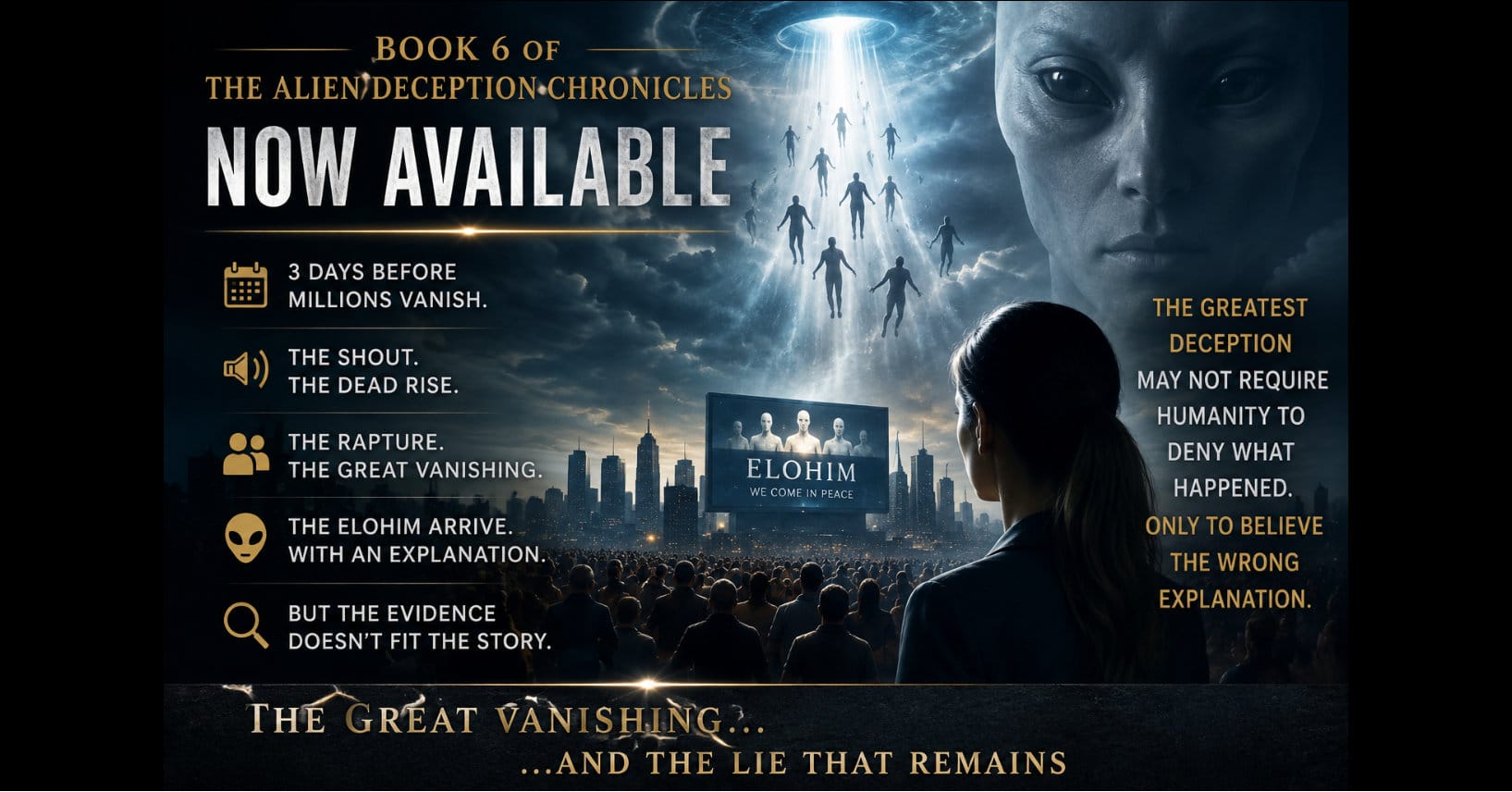
The Great Vanishing Is Here | The Alien Deception Chronicles Book 6
Book 6 of The Alien Deception Chronicles is now available. The Great Vanishing… …And the Lie That Remains explores the Rapture, alien disclosure, AI, spiritual deception, and the battle over who gets to explain the extraordinary.
-
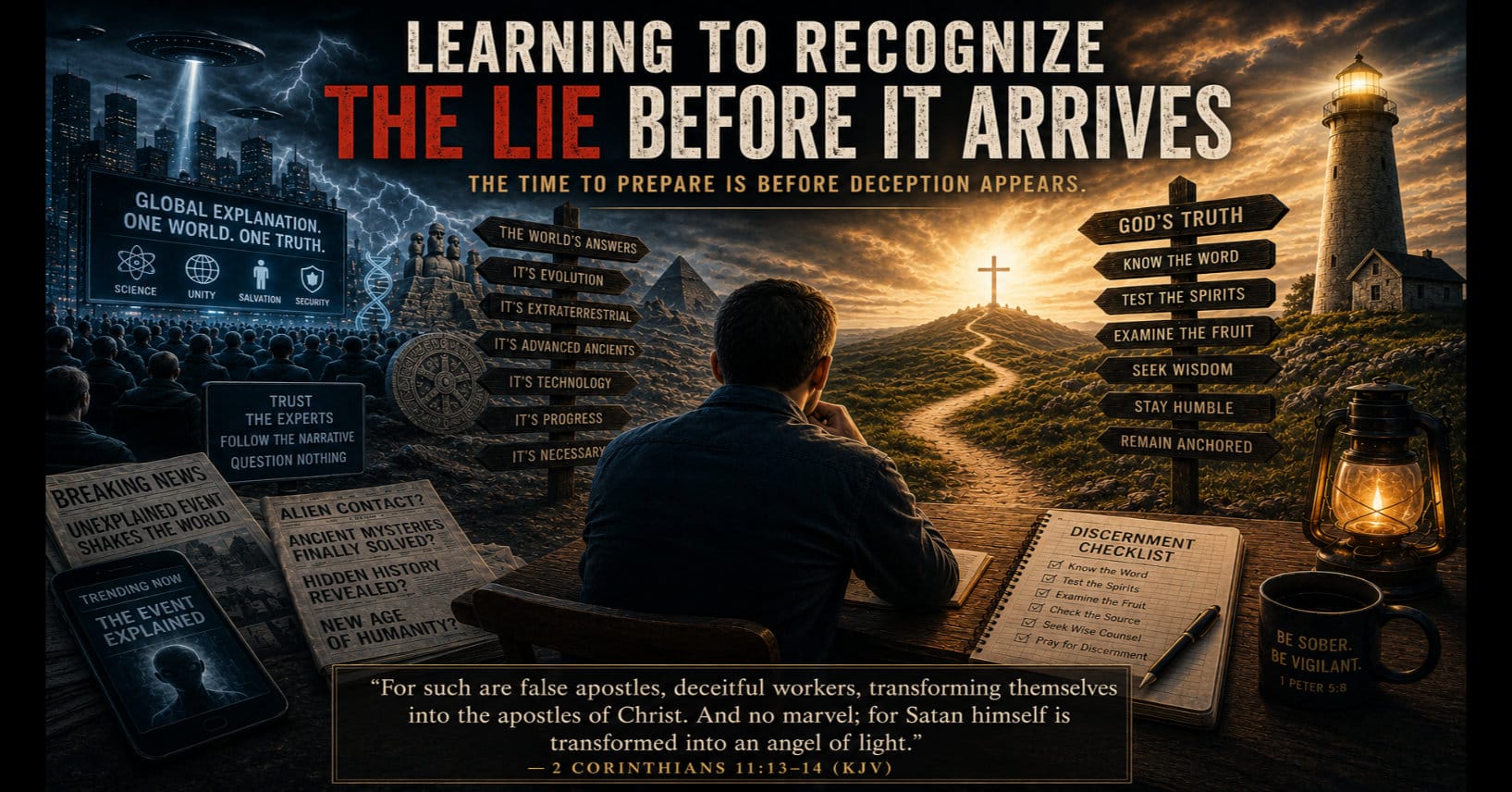
Learning to Recognize the Lie Before It Arrives
Most people prepare for events, but few prepare for deception. Yet Scripture repeatedly warns believers to develop discernment before it is needed. In this concluding article of the Discernment Framework series, we explore why the greatest deceptions often arrive as solutions, explanations, and answers to questions people desperately want answered. As the world grows increasingly…
-
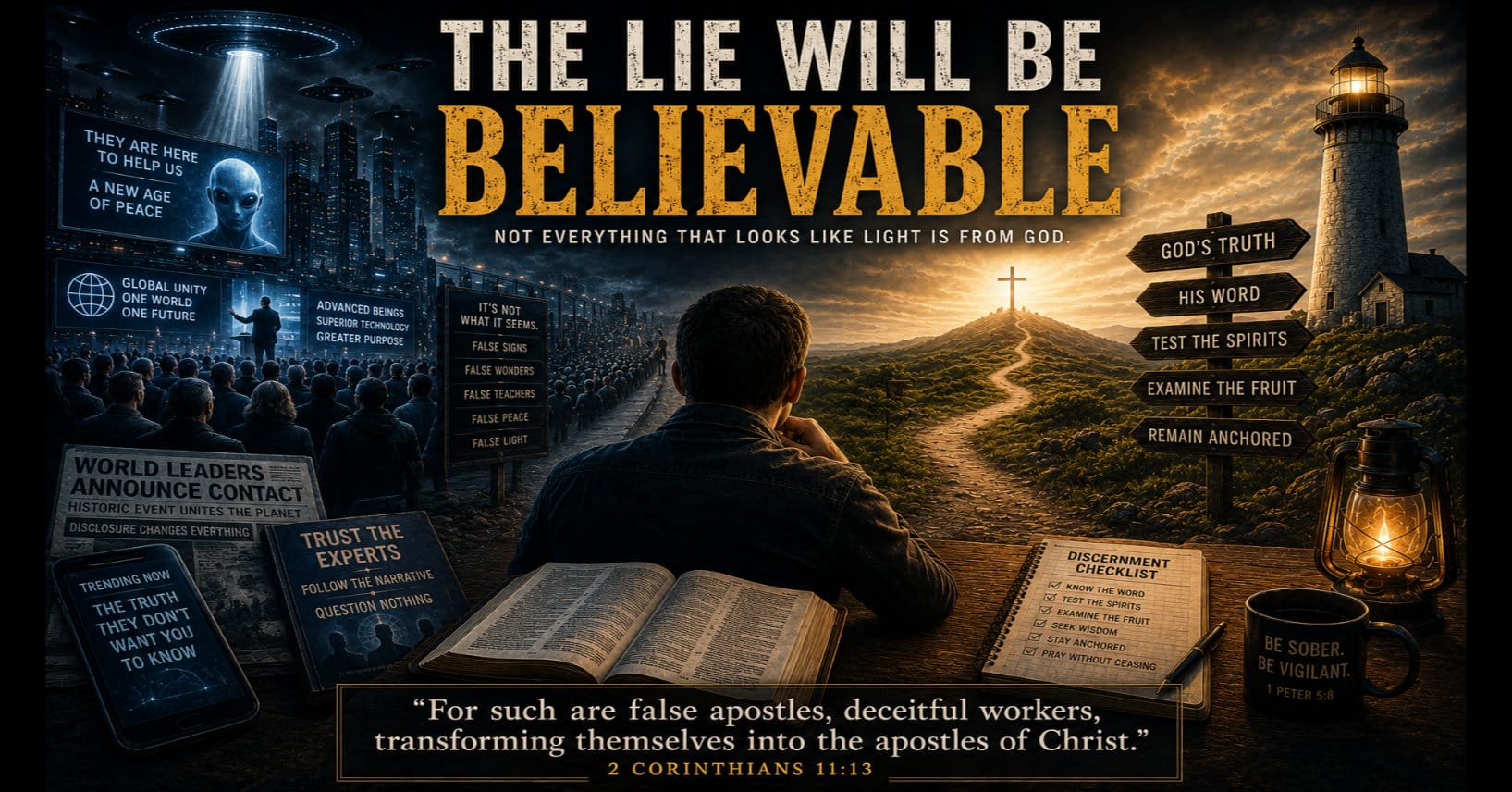
The Lie Will Be Believable
Why will the final deception succeed? Scripture suggests it will not be because people are forced to believe a lie, but because the lie appears convincing. In this concluding article of the Discernment Framework introduction, we explore why deception often arrives wrapped in reason, compassion, scientific authority, and cultural consensus. As the world searches for…
-
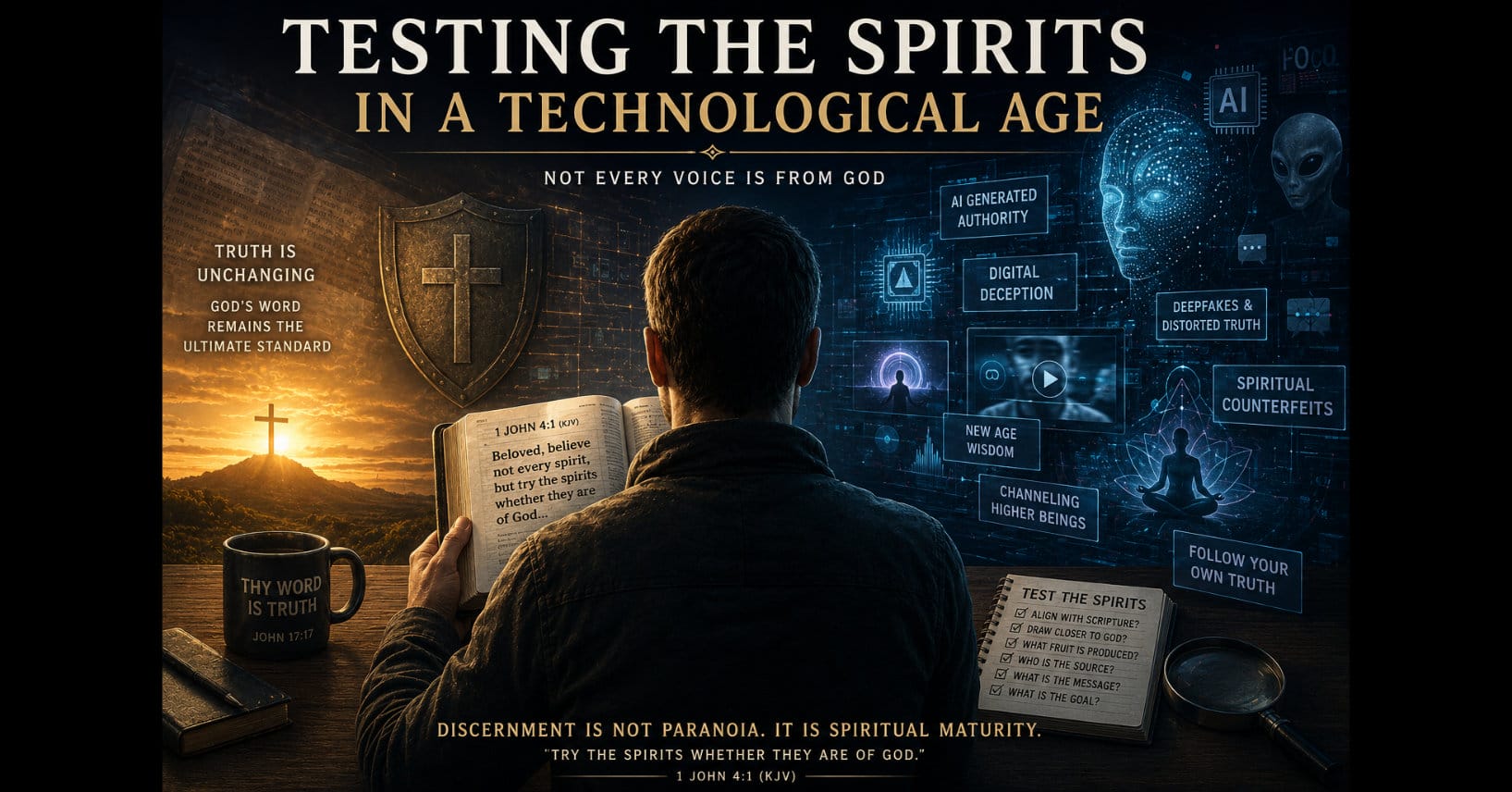
Testing the Spirits in a Technological Age
Artificial intelligence, deepfakes, digital influencers, and immersive technologies are changing the way people receive information and form beliefs. Yet the Apostle John’s command remains as relevant today as it was in the first century: “Believe not every spirit, but try the spirits whether they are of God.” In this fourth installment of the Discernment Framework…
-
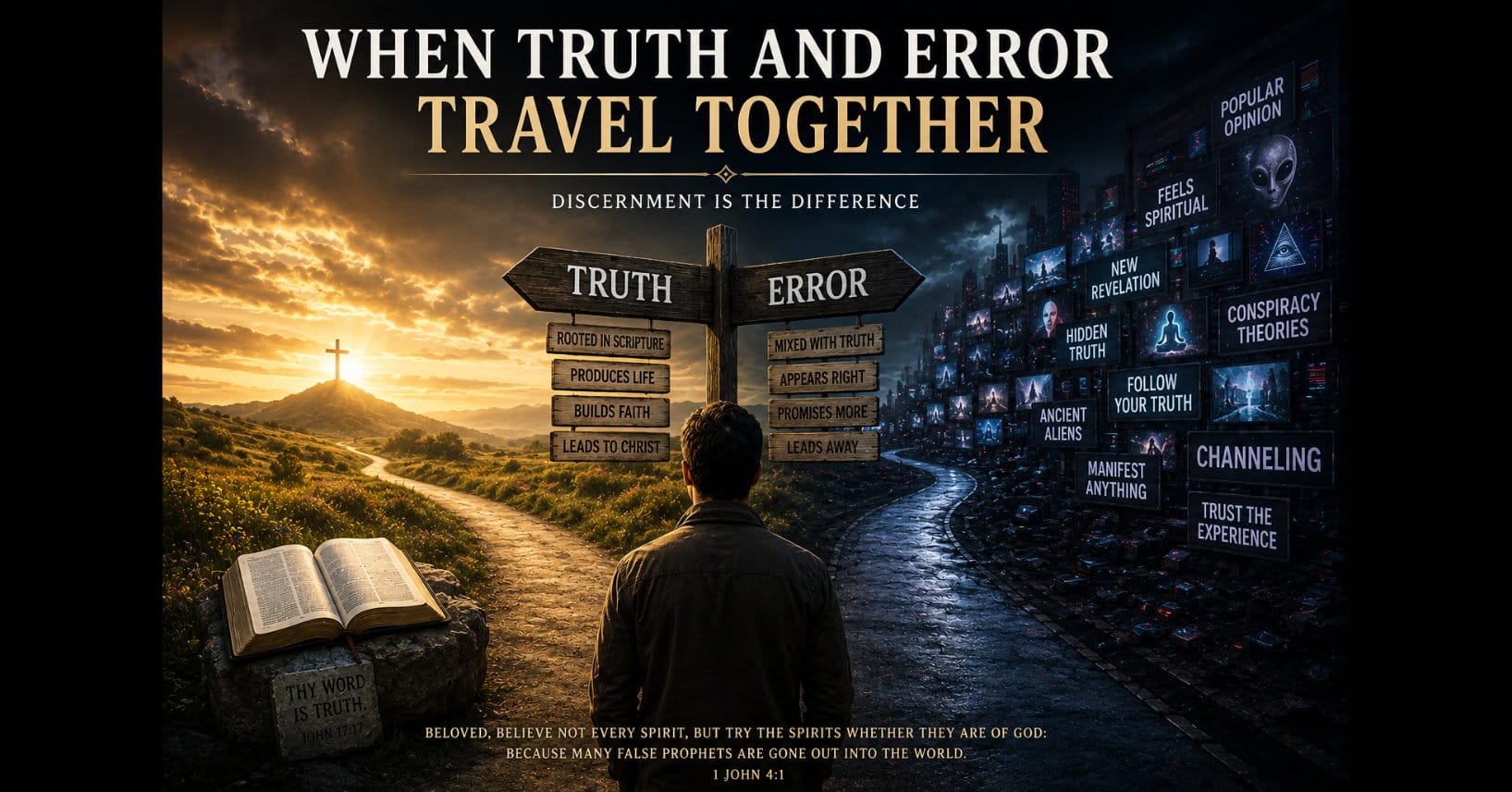
When Truth and Error Travel Together
Why are some deceptions so difficult to recognize? Because the most effective lies are rarely completely false. From the Garden of Eden to modern spiritual movements, deception often succeeds by mixing truth with error. In this third installment of the Discernment Framework series, we explore how counterfeits gain credibility, why Scripture warns believers to test…