Newsletter Article
-
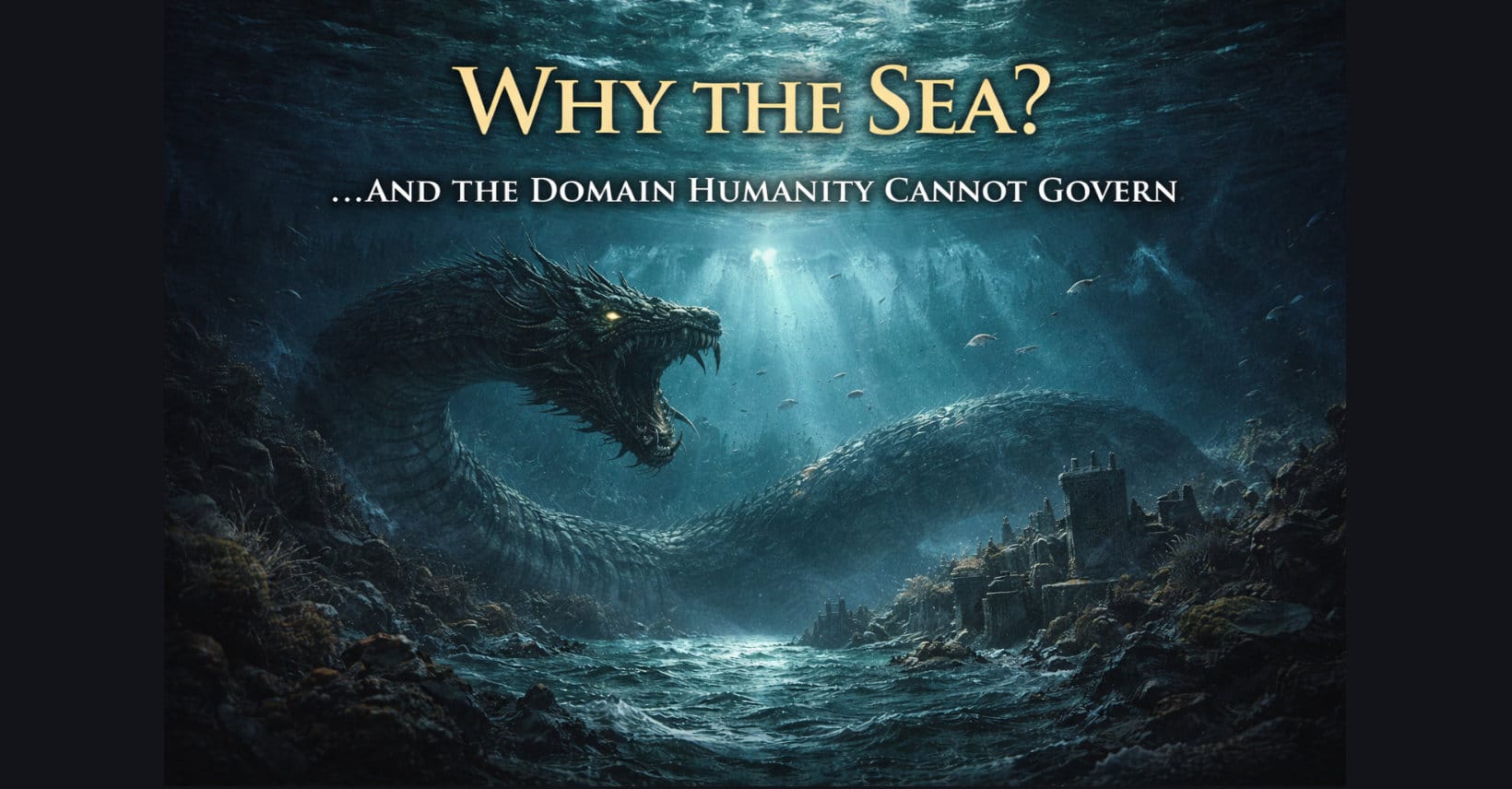
Why the Sea? …And the Domain Humanity Cannot Govern
This article examines why Leviathan, Lotan, Tiamat, and Apep are consistently placed in hidden, inaccessible domains like the sea, abyss, or underworld. It argues that the setting is not incidental but central to the pattern, framing the ocean as a boundary beyond human control and a key part of the theological and symbolic interpretation.
-
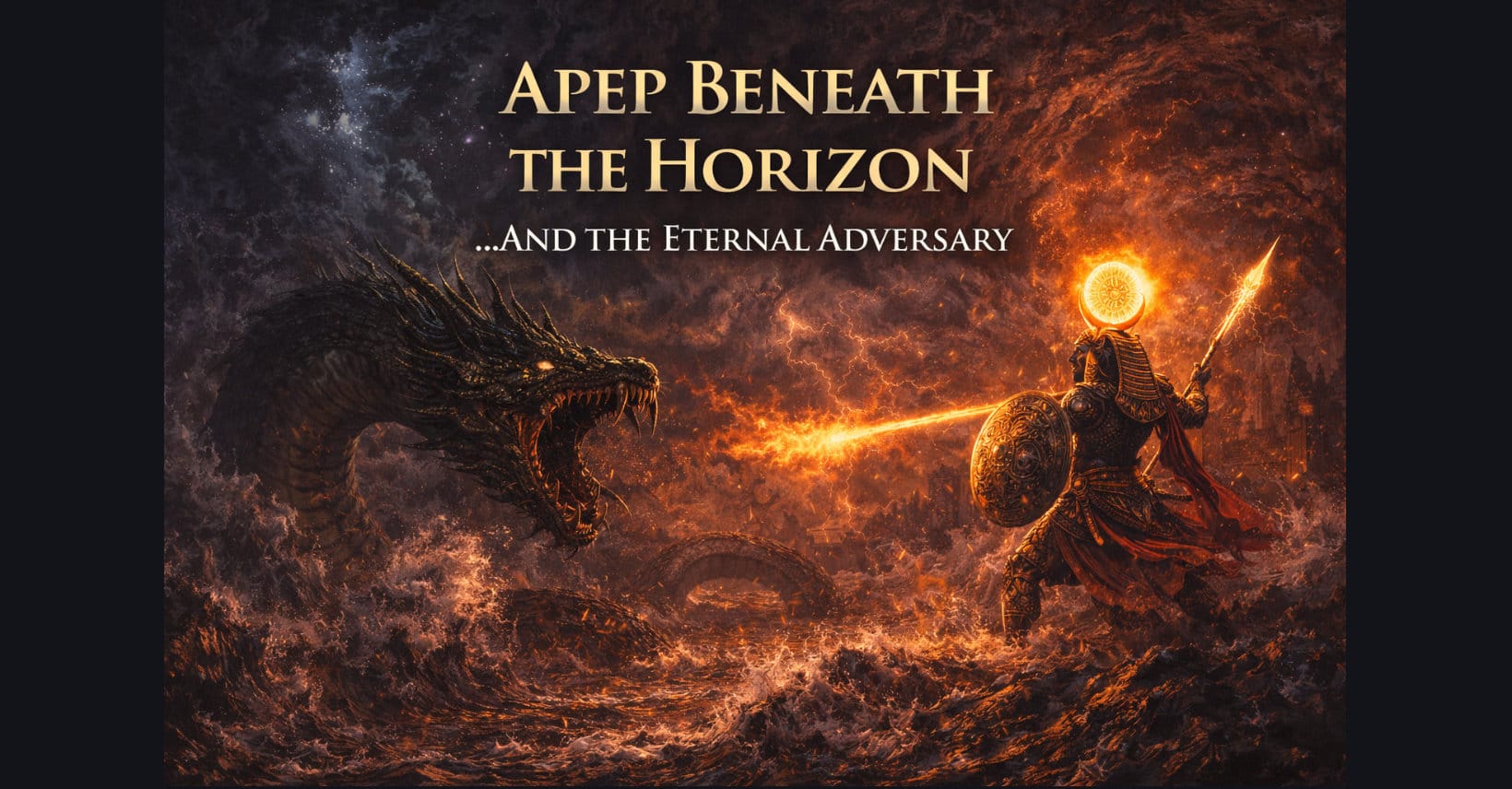
Apep Beneath the Horizon …And the Eternal Adversary
This article examines the Egyptian serpent Apep and its role in a recurring cross-cultural pattern of chaos beings found in Hebrew, Ugaritic, Mesopotamian, and Egyptian traditions. It highlights shared traits such as serpentine form, hidden domains, opposition to authority, and conflict that sustains order, while noting Apep’s cyclical resistance versus Leviathan’s appointed judgment.
-
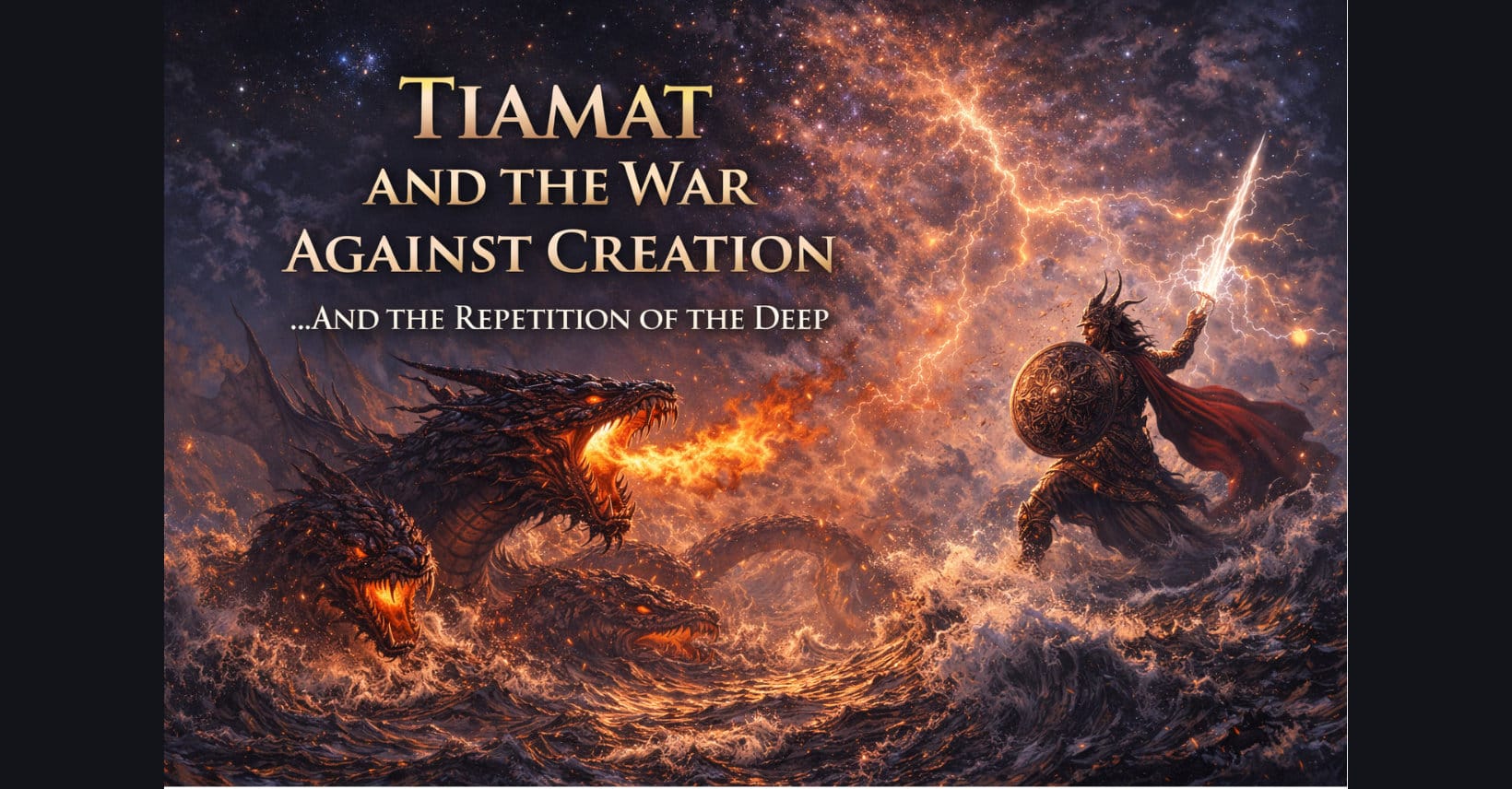
Tiamat and the War Against Creation …And the Repetition of the Deep
This article expands the Leviathan discussion beyond the Bible, comparing it with Ugaritic Lotan and Mesopotamian Tiamat. It highlights a recurring pattern of sea-associated, serpentine chaos figures defeated by higher authority, while stressing a key biblical distinction: Leviathan is created, not primordial. The piece sets up a continued investigation into Apep and related traditions.
-
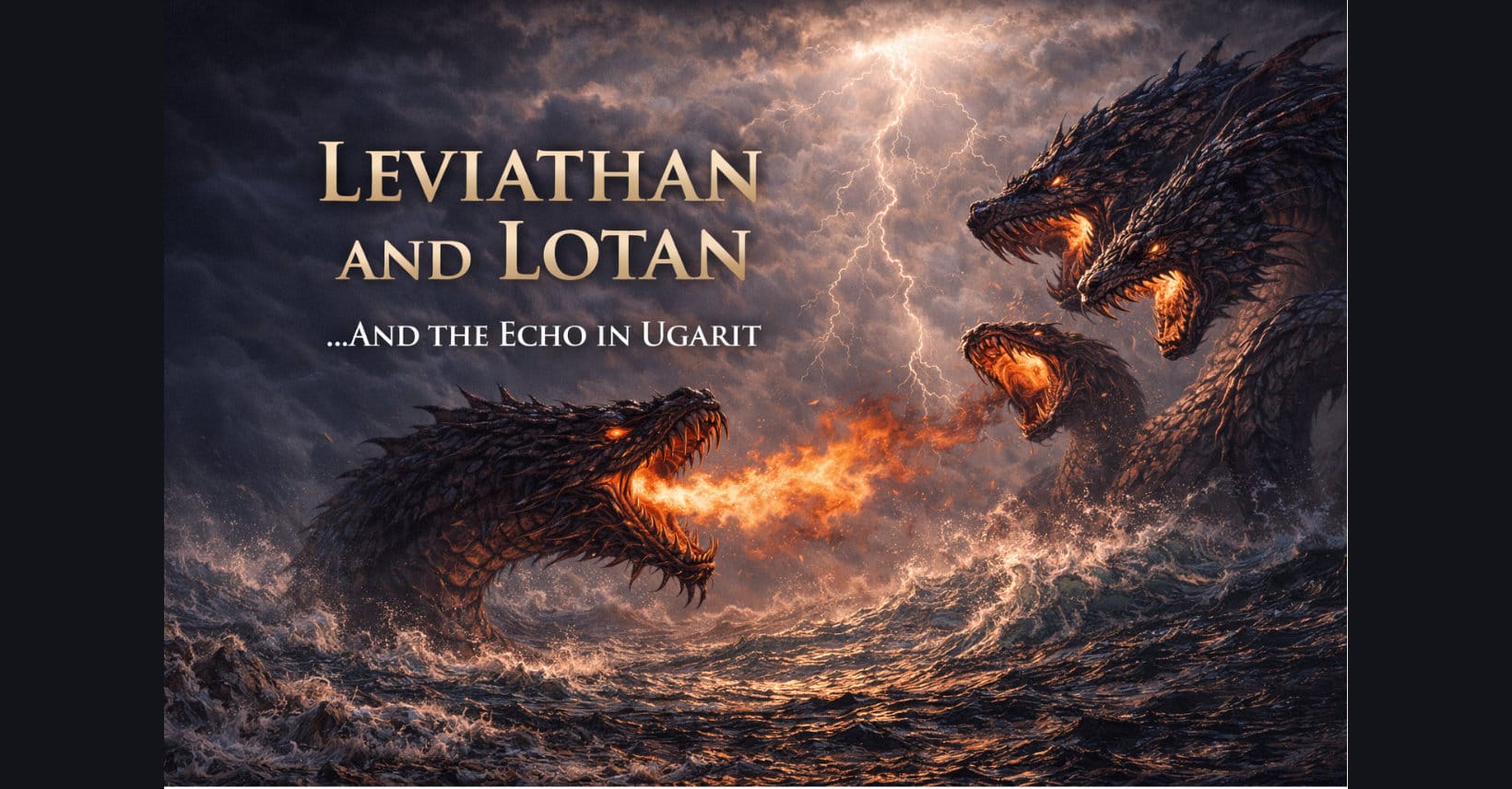
Leviathan and Lotan …And the Echo in Ugarit
This article expands the Leviathan discussion beyond Scripture by comparing it with the Ugaritic figure Lotan. It highlights shared features such as serpentine form, sea association, multiple heads, and defeat by a higher authority, then weighs possible explanations including borrowing, symbolic convergence, and shared observational memory before setting up a comparison with Tiamat.
-
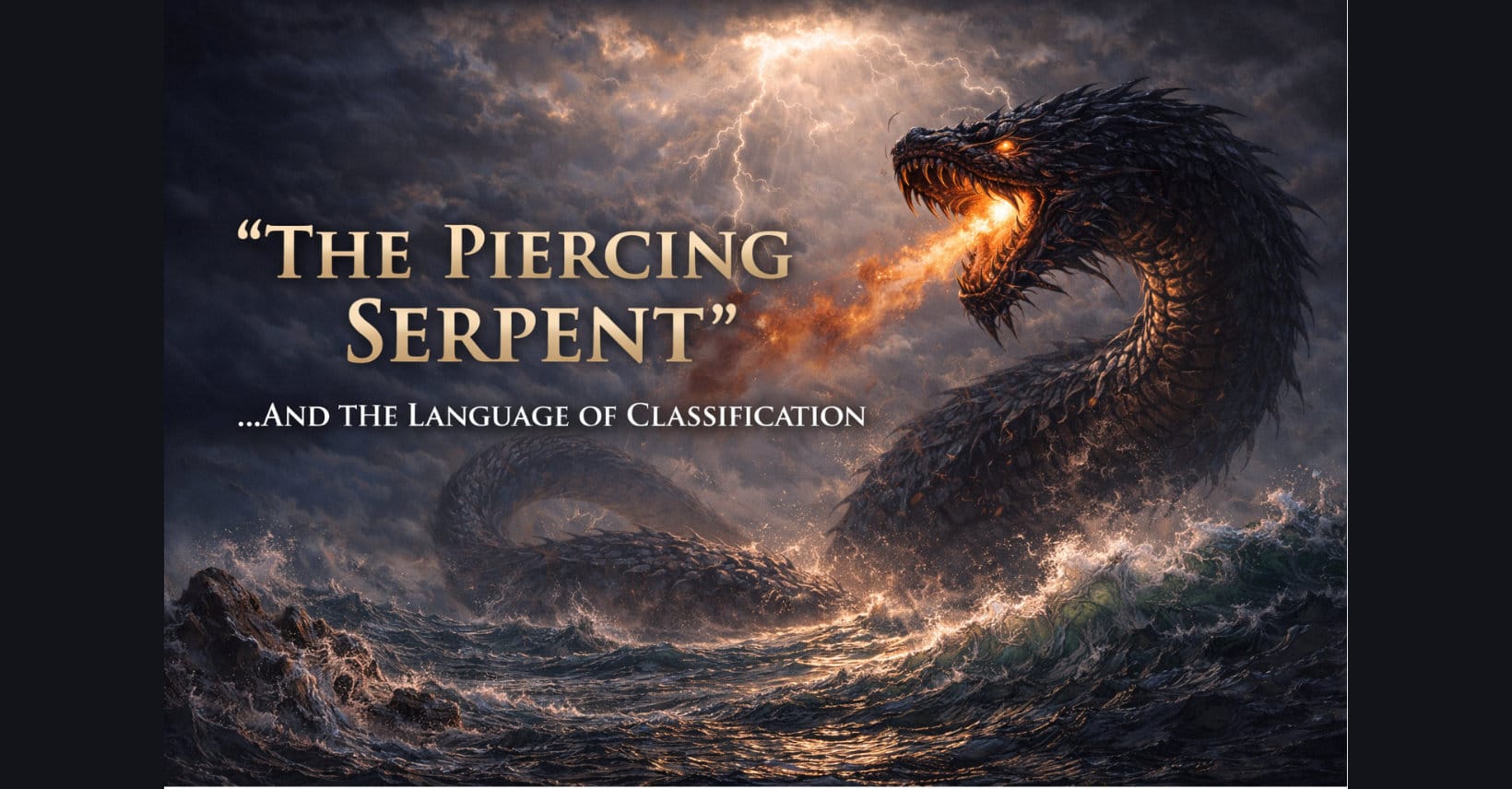
“The Piercing Serpent” …And the Language of Classification
This article examines Leviathan in Isaiah 27:1, where it is described as a piercing serpent, crooked serpent, and sea dragon. Building on Job and Psalms, it argues that Scripture layers physical traits, behavior, environment, and future judgment to portray Leviathan with deliberate complexity, setting up a comparison with the ancient Near Eastern figure Lotan.
-
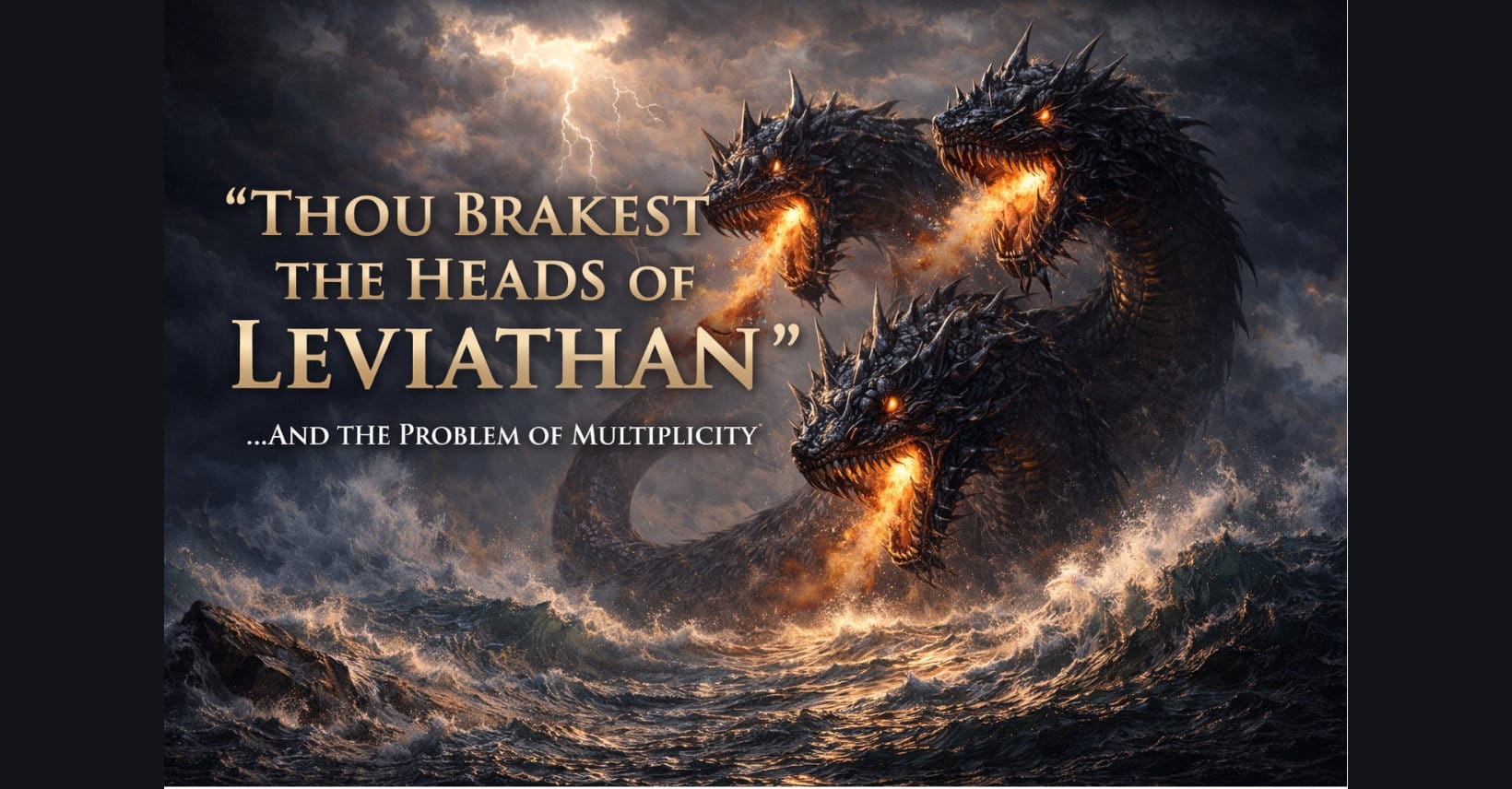
“Thou Brakest the Heads of Leviathan” …And the Problem of Multiplicity
Psalm 74’s reference to Leviathan complicates the creature’s image from Job by describing God breaking “the heads of leviathan” in pieces. The passage raises questions about whether Leviathan is multi-headed, collective, or symbolic, while preserving vivid physical language. The article explores this ambiguity and sets up Isaiah’s even more complex classifications.
-
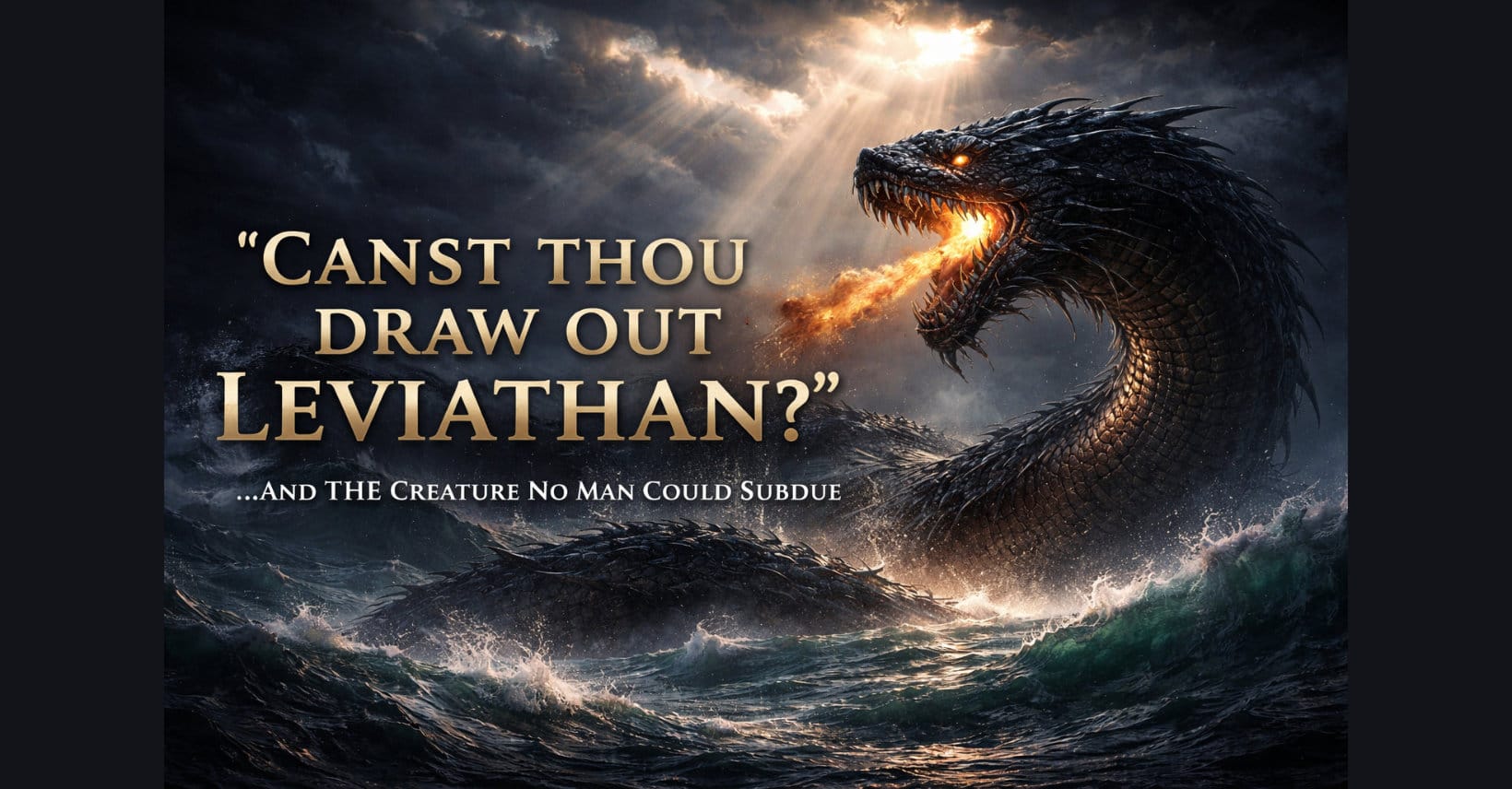
“Canst Thou Draw Out Leviathan?” …And the Creature No Man Could Subdue
A close reading of Leviathan in Job suggests the passage is more than poetic symbolism. Described with precise physical traits, fire, smoke, and complete resistance to human control, Leviathan is presented as a real and formidable entity. The article argues for careful interpretation and sets up a follow-up look at Psalm 74’s reference to Leviathan’s…
-

The Convergence: One Story, Many Names… …And the Coming Interpretation
Across ancient civilizations and modern discourse, a recurring pattern emerges of non-human beings, divine or extraterrestrial, interacting with humanity, sharing knowledge, and shaping civilization. The piece argues that today’s UFO and alien frameworks may simply reframe older myths, and warns that convincing deception could influence how future extraordinary events are understood.
-
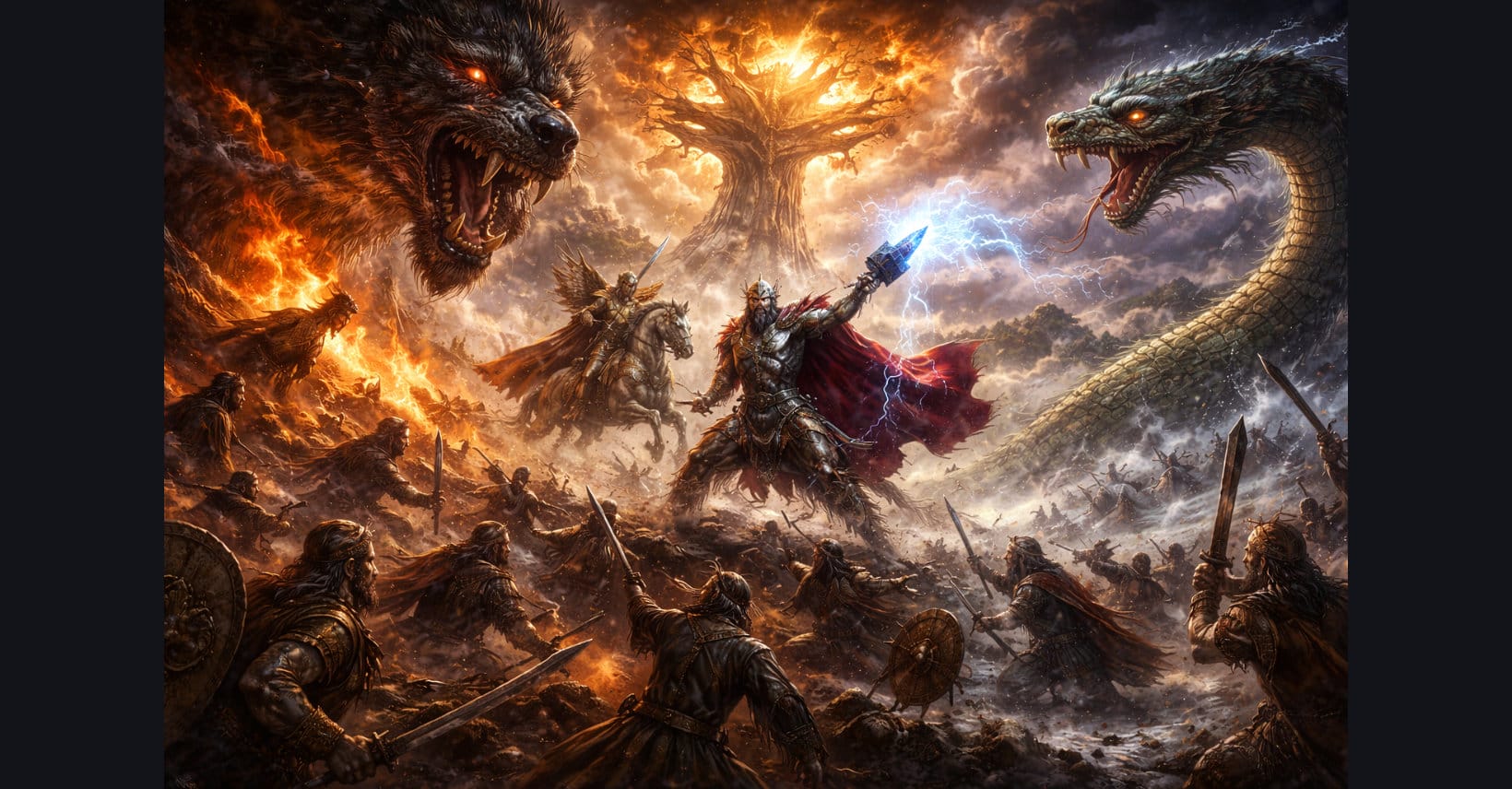
Norse Traditions: The Final Battle… …And the Narrative of Inevitable Cataclysm
Exploring the Norse vision of Ragnarök, this piece examines a worldview shaped by the certainty of an unavoidable end, where chaos and collapse are expected rather than resisted. It contrasts that tradition with biblical end-times language, asking how crisis narratives shape human response, authority, and discernment when upheaval redefines power.
-
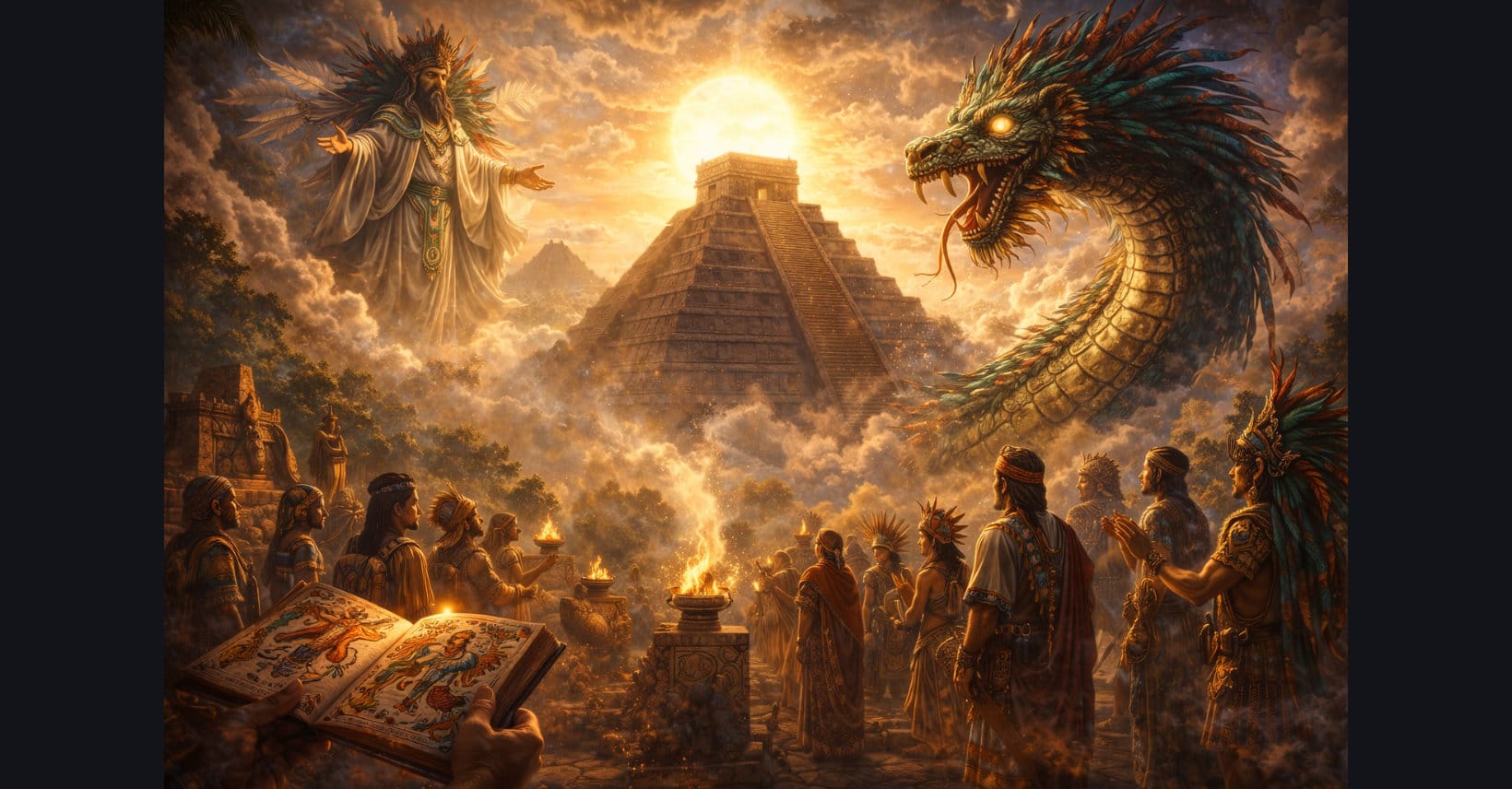
Mesoamerican Civilizations: The Returning Gods… …And the Expectation of Arrival
Mesoamerican traditions like those surrounding Quetzalcoatl reflect a powerful pattern of departure and expected return, shaping how future events are interpreted. This excerpt explores how preloaded belief can influence perception, drawing parallels to modern expectations of advanced beings and warning that expectation can override discernment when extraordinary claims appear to fulfill long-held narratives.