Newsletter Article
-
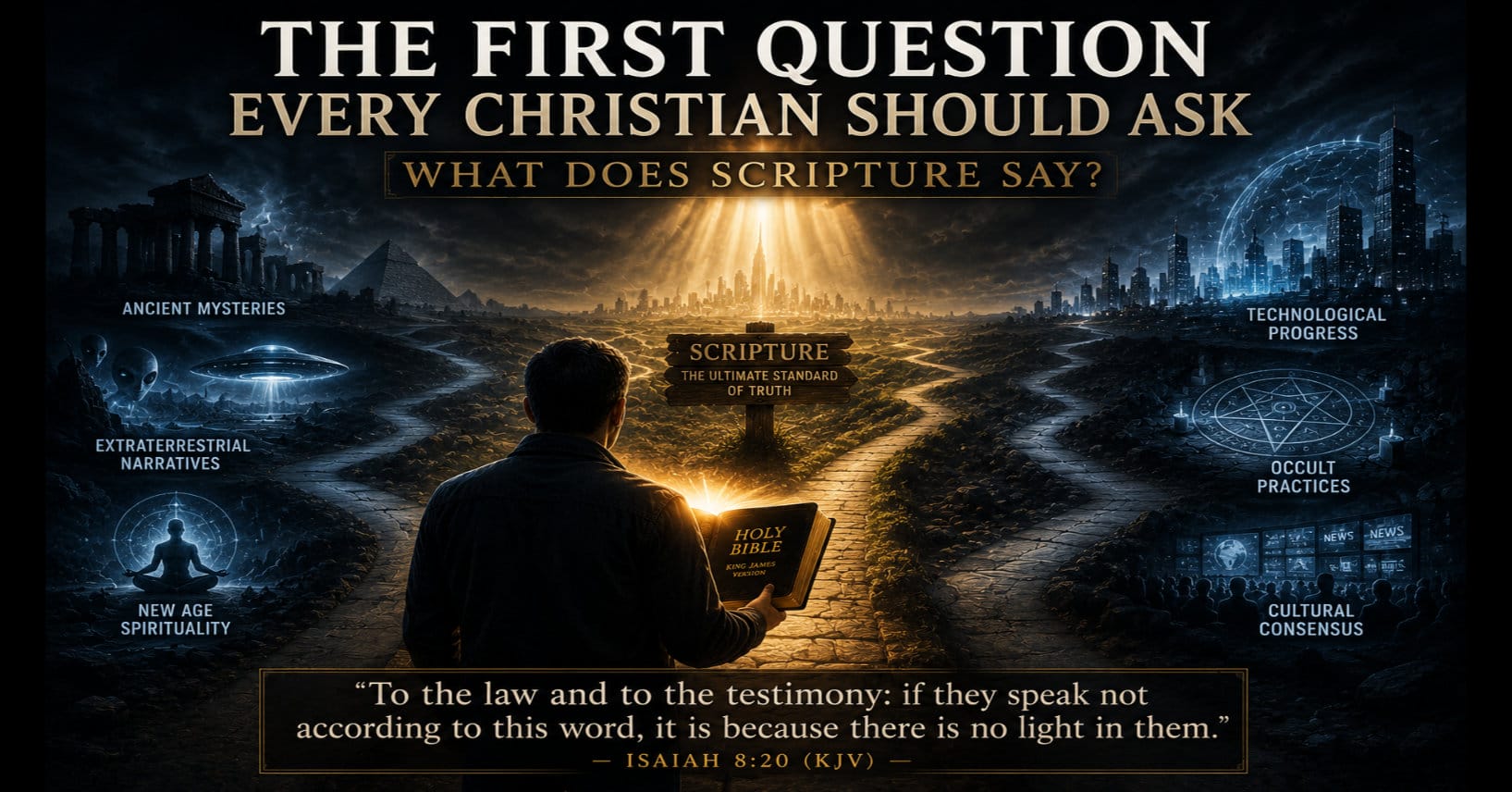
The First Question Every Christian Should Ask
Every generation is confronted with new teachers, new movements, new discoveries, and new explanations for reality. Some are helpful. Some are deceptive. Scripture provides a simple but powerful starting point for evaluating them all: What does Scripture say? In this installment of the Discernment Framework series, we explore why biblical truth must remain the ultimate…
-
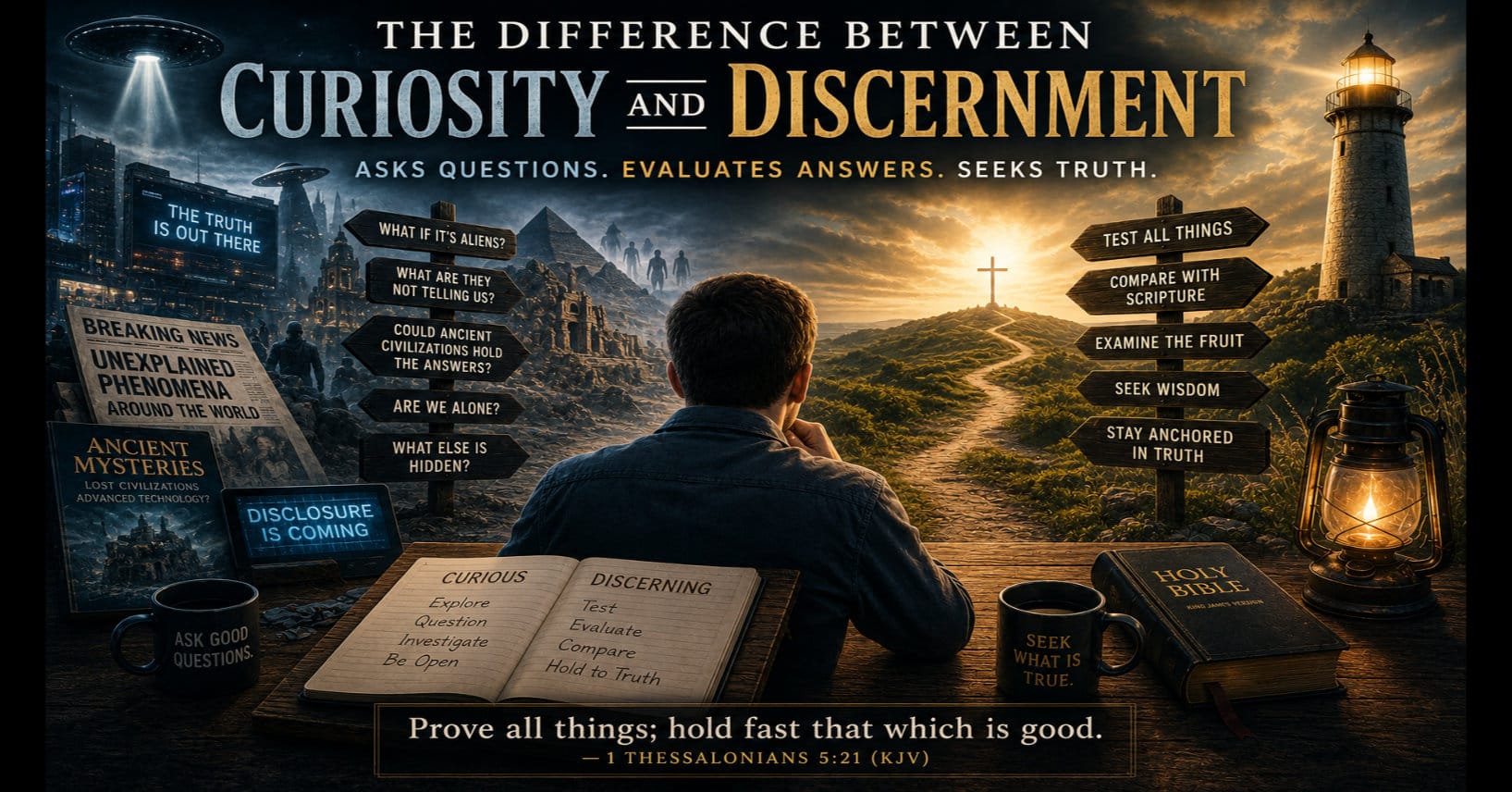
The Difference Between Curiosity and Discernment
Why are subjects like UFOs, ancient mysteries, hidden history, and anomalous phenomena so fascinating? Because God created us with curiosity. But curiosity alone cannot protect us from deception. In this installment of the Discernment Framework series, we explore the critical difference between asking questions and evaluating answers. As Christians navigate a world filled with extraordinary…
-
Why Intelligent People Believe Extraordinary Lies
Why do intelligent people embrace extraordinary claims? The Bible suggests deception is not primarily an intelligence problem but a discernment problem. In the first article of the Discernment Framework series, we explore why truth requires more than knowledge, and why the ability to distinguish truth from error may be one of the most important skills…
-
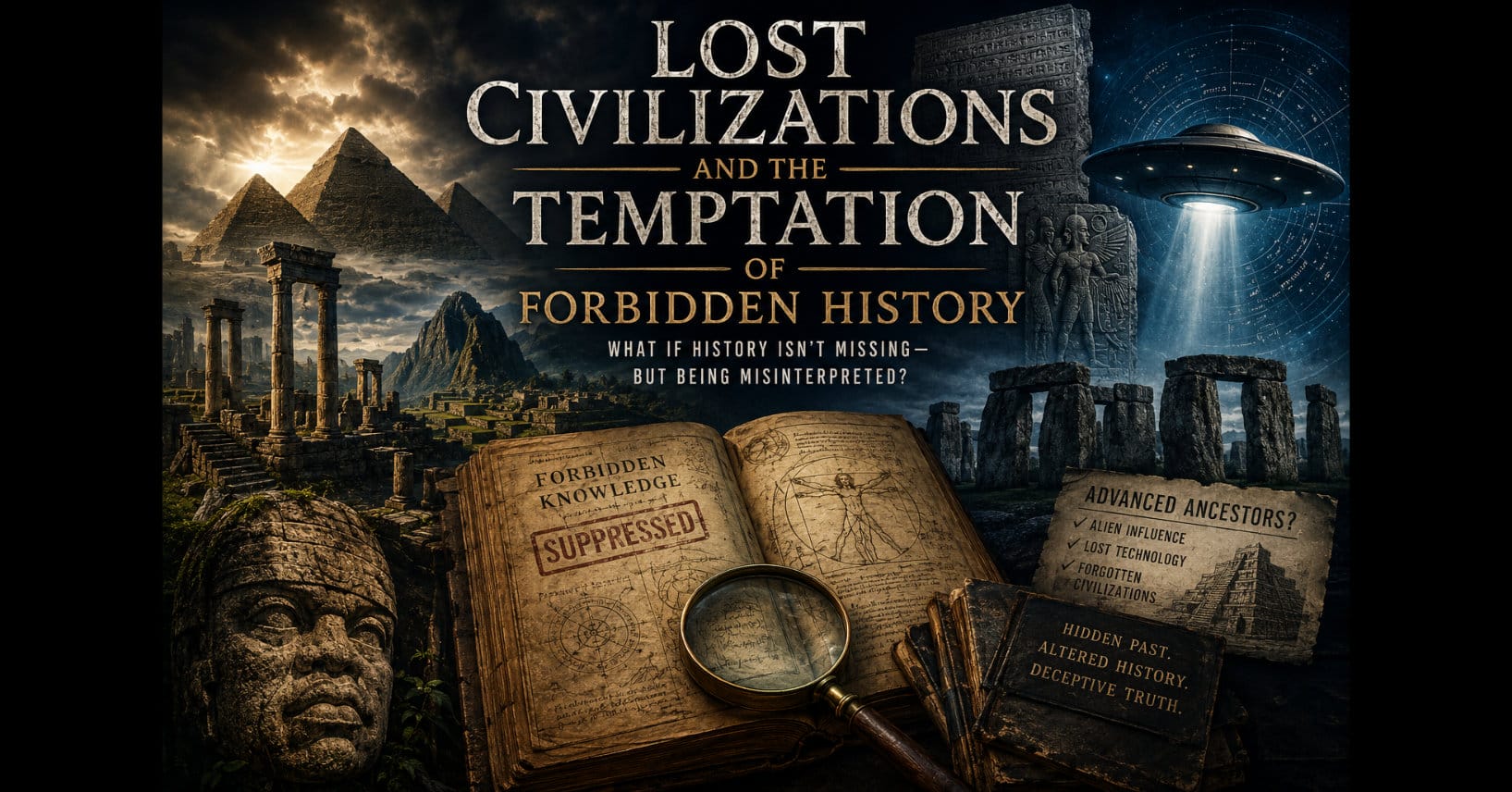
Lost Civilizations and the Temptation of Forbidden History
Lost cities and ancient monuments capture the imagination because they remind us how much history remains undiscovered. Yet the greatest temptation often follows the discovery itself: replacing evidence with speculation and transforming archaeology into an alternative origin story. This article explores why ancient mysteries continue to fuel theories of hidden knowledge, lost civilizations, and extraterrestrial…
-
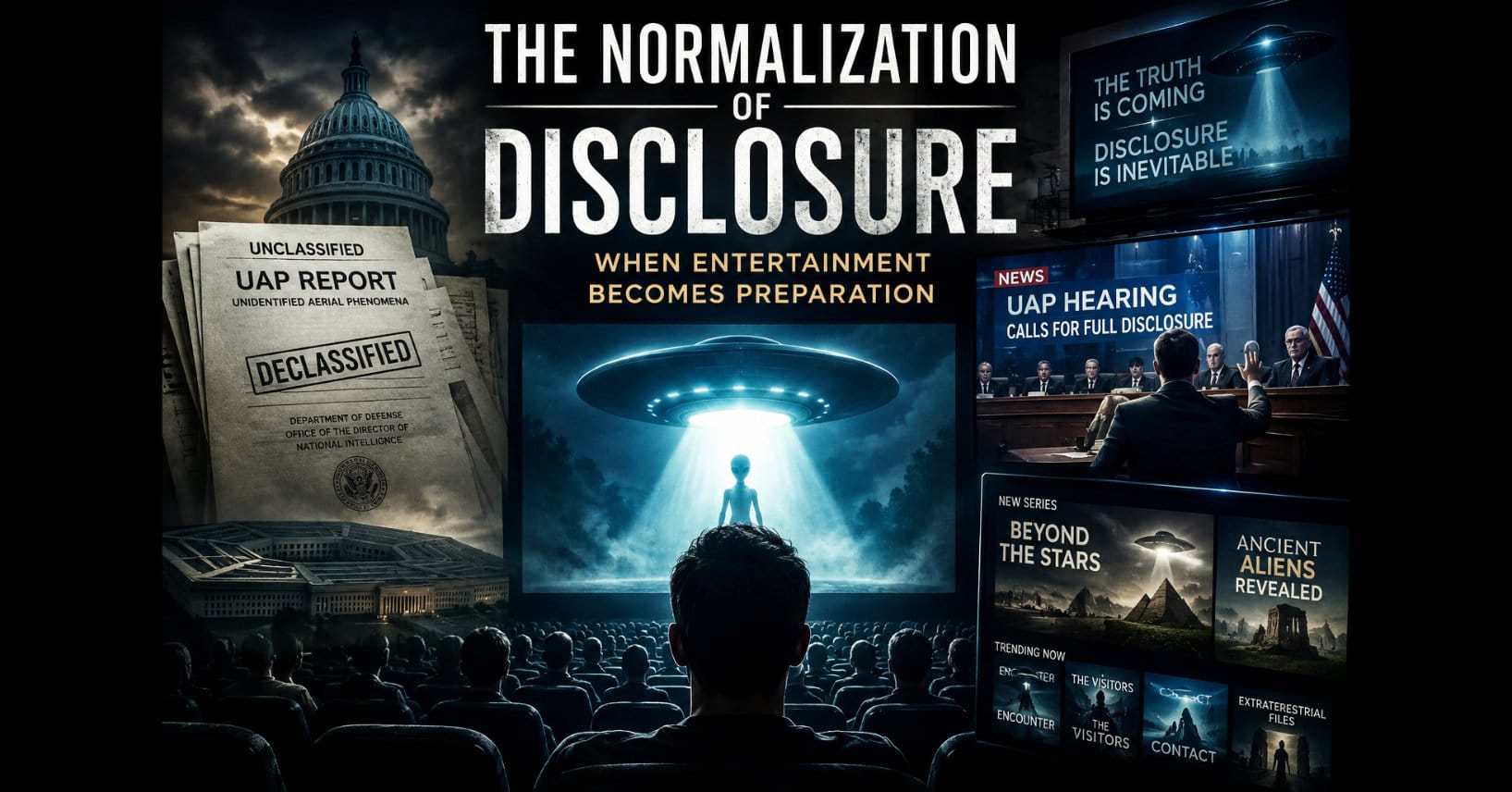
The Normalization of Disclosure: When Entertainment Becomes Preparation
Disclosure is no longer confined to science fiction. As entertainment, media, and public discourse increasingly normalize extraterrestrial narratives, society may be developing expectations that shape how future extraordinary events are interpreted. The question is not whether a sign is impressive, but whether it points toward the truth.
-
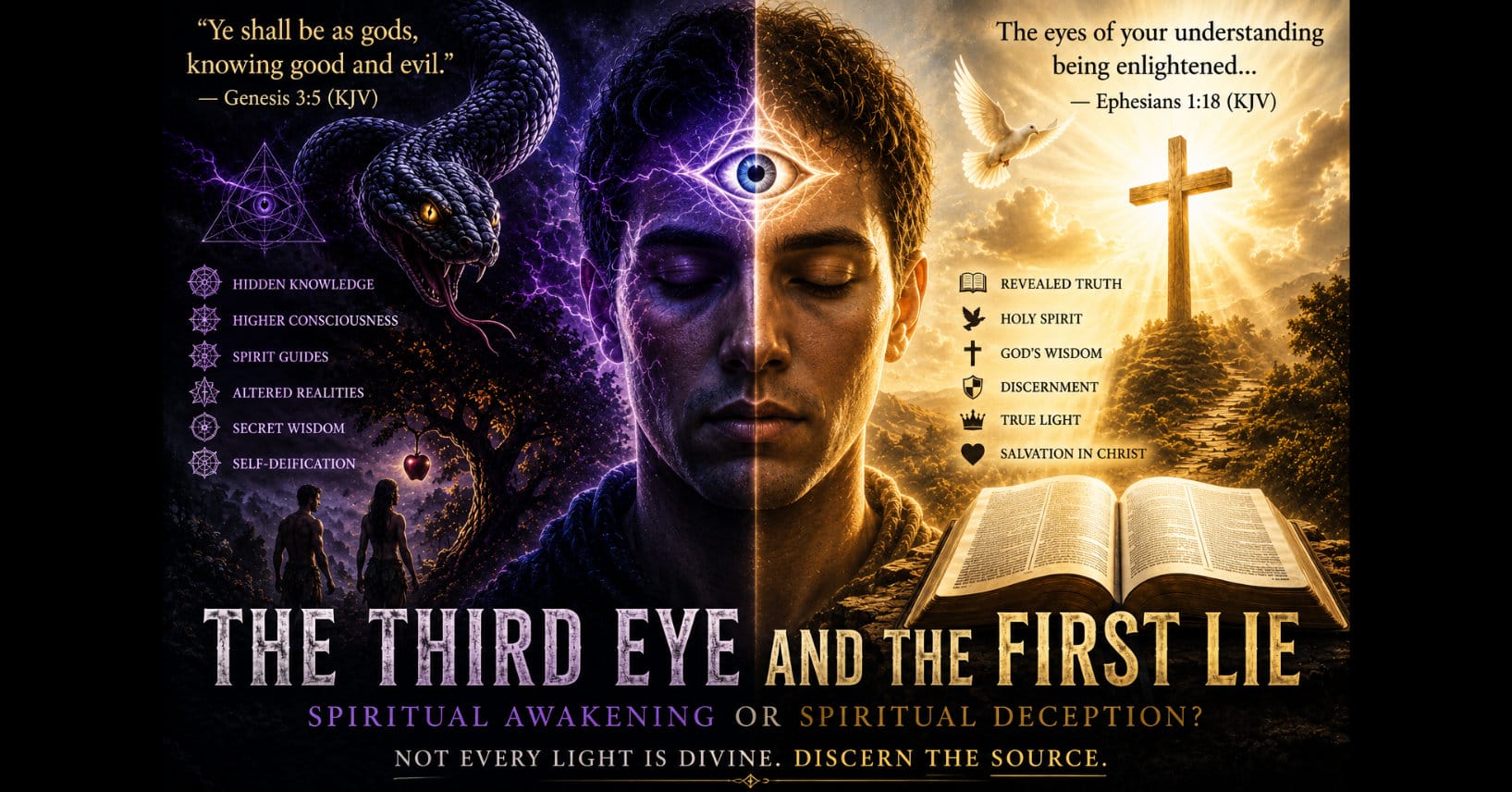
The Third Eye and the First Lie
The third eye is often promoted as a path to higher consciousness and spiritual awakening. But does this popular New Age concept echo a much older promise? From Eden to modern UFO spirituality, the pursuit of hidden knowledge may reveal more about ancient deception than spiritual enlightenment.
-
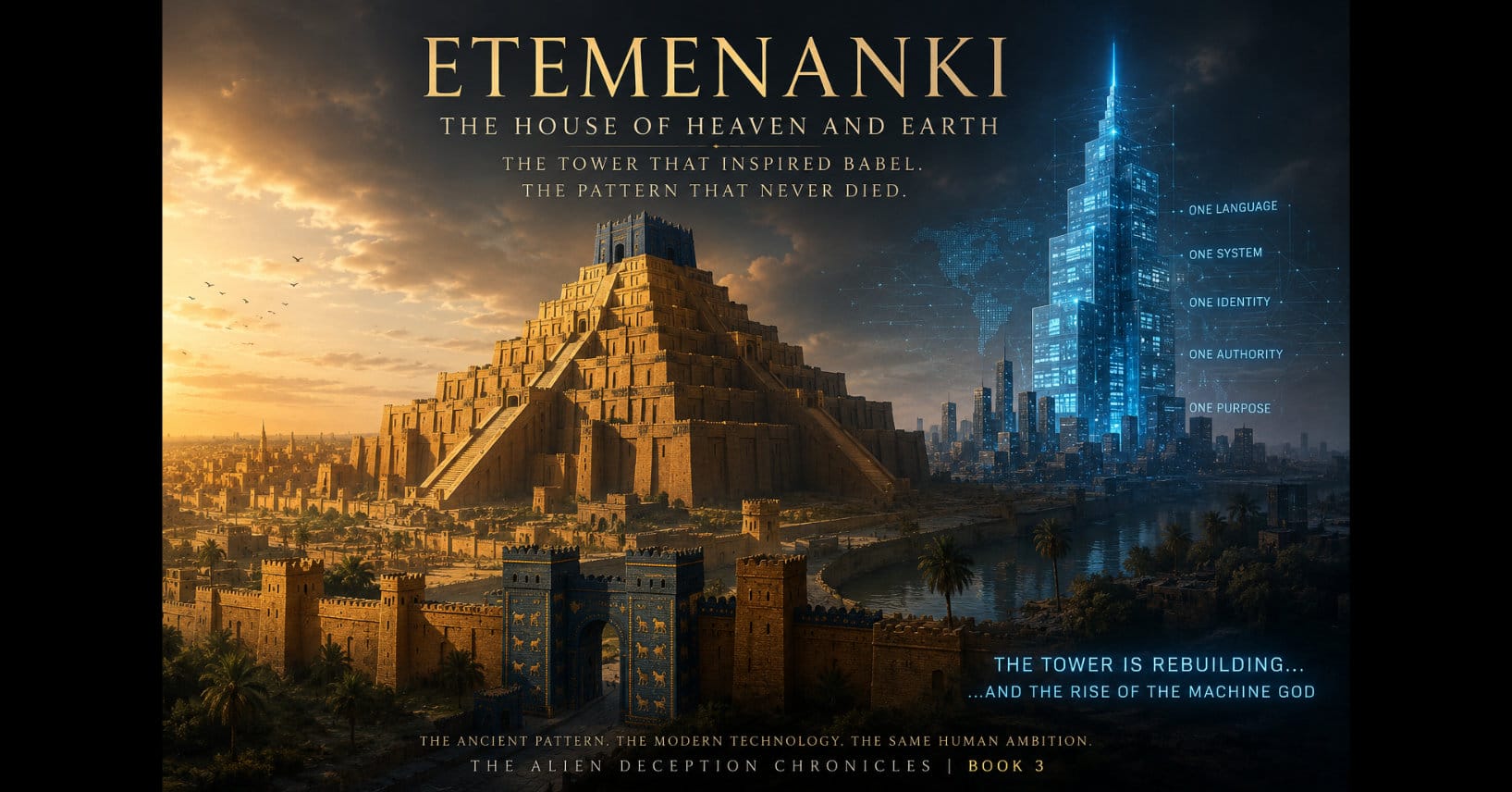
The House of Heaven and Earth: Etemenanki and the First Global Religion
The great ziggurat of Babylon may preserve the memory of Babel, but its deeper significance is found in a recurring human ambition: reaching heaven without God. Explore the connection between Etemenanki, Genesis 11, and the themes behind The Tower Is Rebuilding.
-
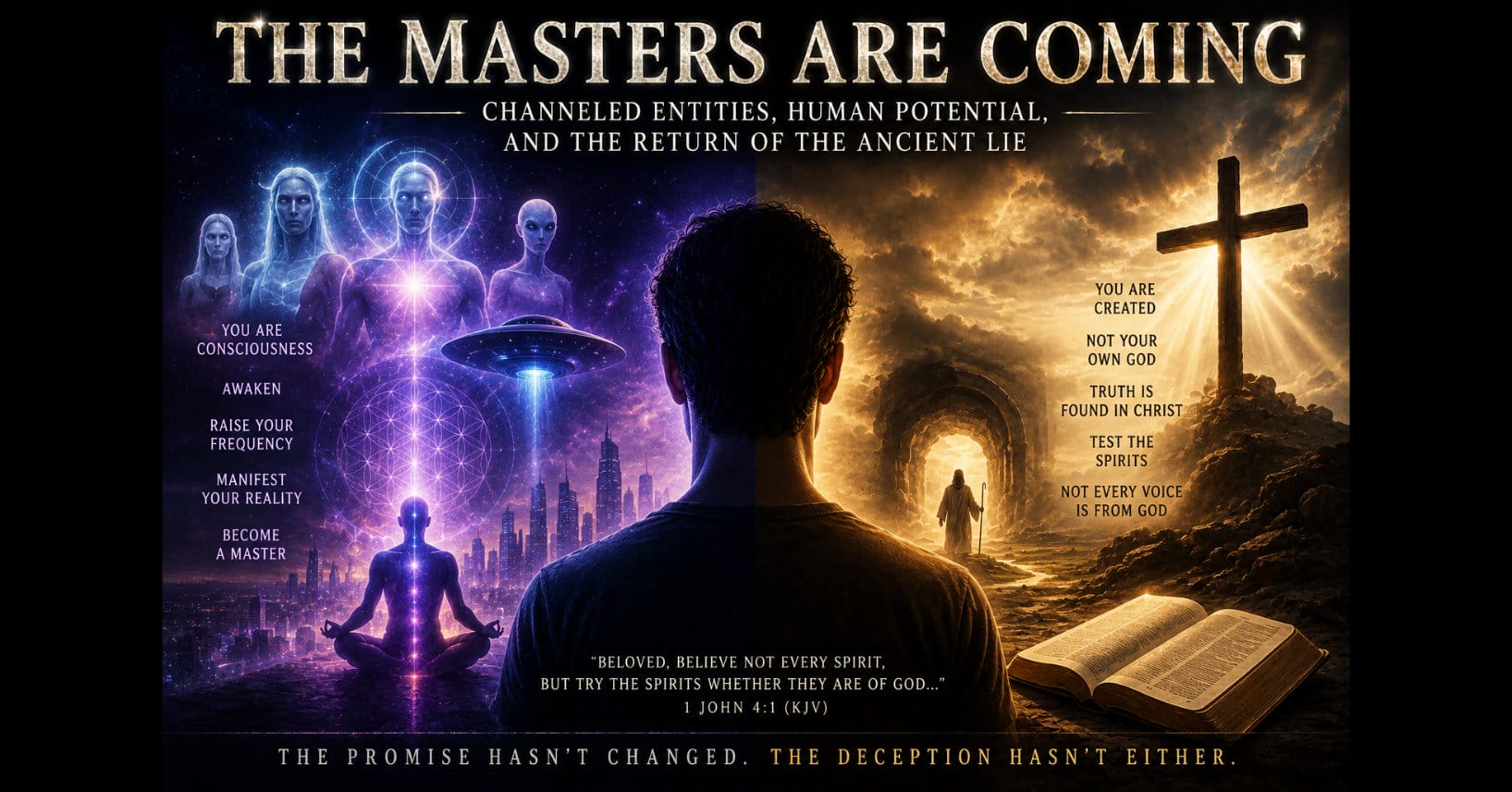
The Masters Are Coming: Channeled Entities, Human Potential, and the Return of the Ancient Lie
Across social media and spiritual communities, channeled entities are teaching humanity to embrace consciousness, ascension, and personal mastery. But are these messages truly new? This article examines how modern channeling movements echo ancient spiritual promises and why Christians are called to test every spirit against the truth of Scripture.
-
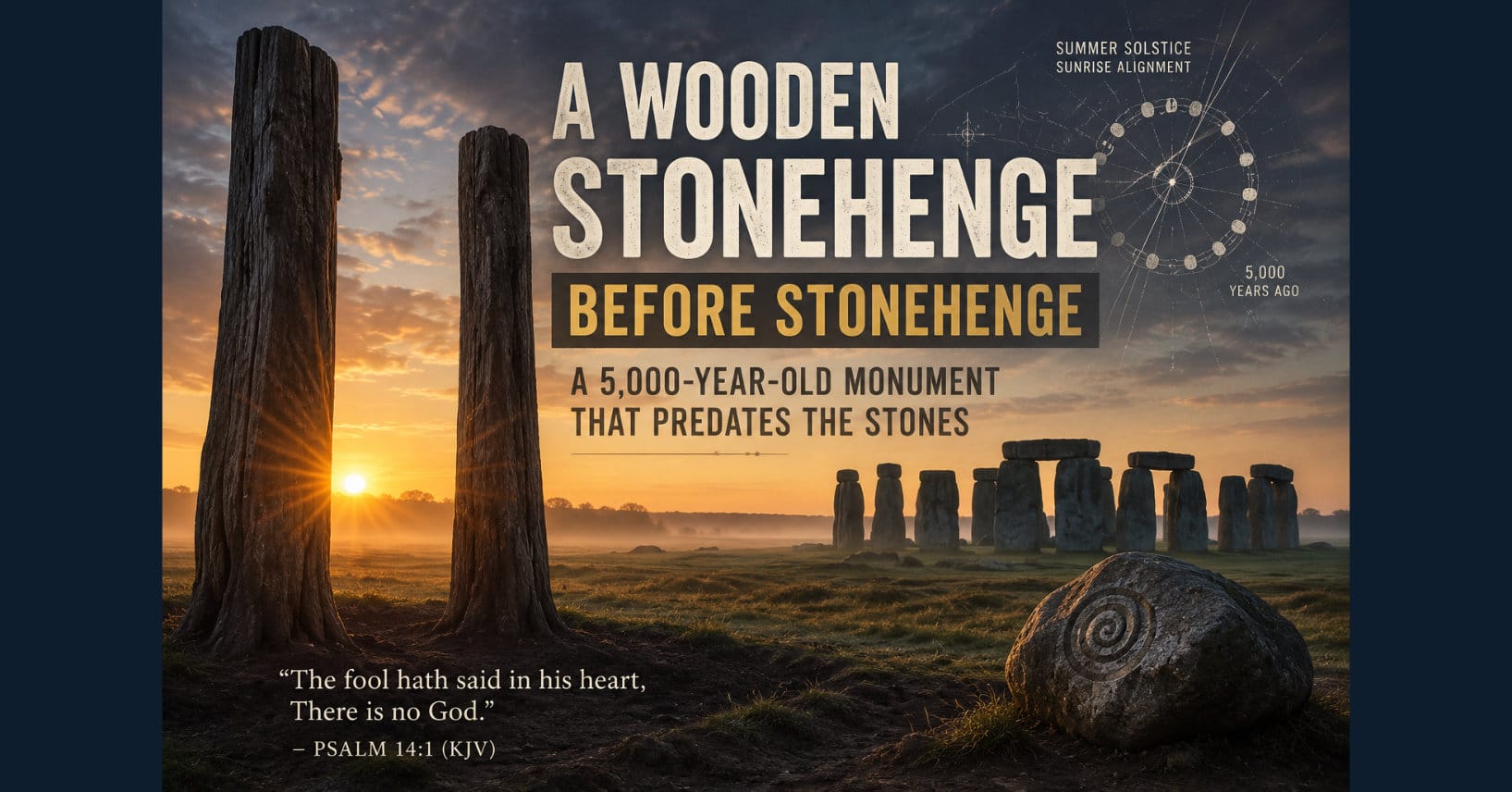
A Wooden Stonehenge Before Stonehenge
A newly discovered prehistoric timber monument predating Stonehenge is reshaping our understanding of Britain’s ancient ceremonial landscape. This article examines the archaeological evidence and explains why impressive ancient engineering points to human ingenuity rather than extraterrestrial intervention.
-
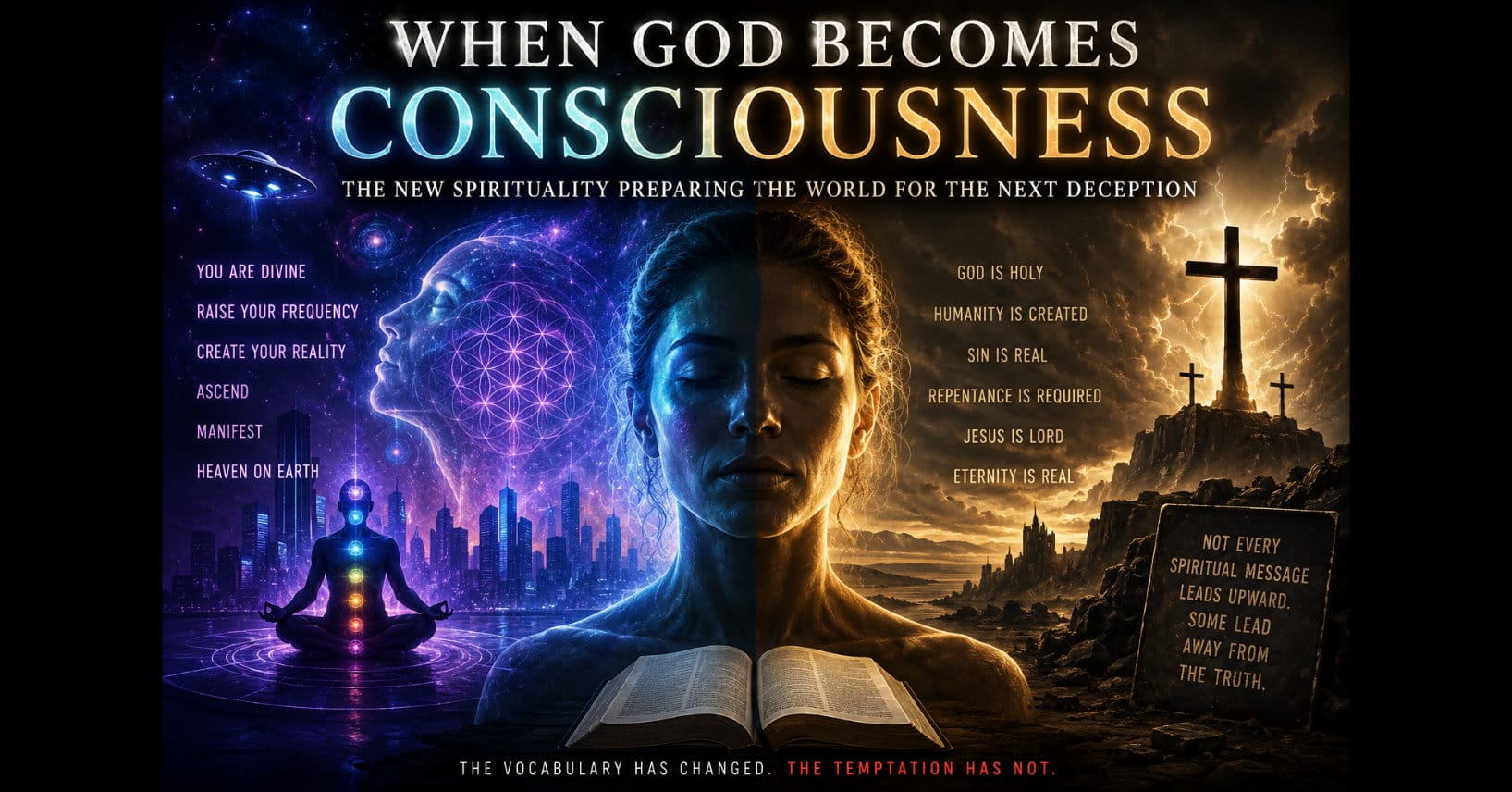
When God Becomes Consciousness: The New Spirituality Preparing the World for the Next Deception
Modern spirituality increasingly teaches that humanity is divine consciousness experiencing a temporary physical reality. But beneath the language of frequencies, ascension, and awakening lies a familiar promise first heard in Eden. This article examines the rise of consciousness-based spirituality through a biblical lens and explores how these ideas may prepare the world for future spiritual…