The Image That Speaks Series
-
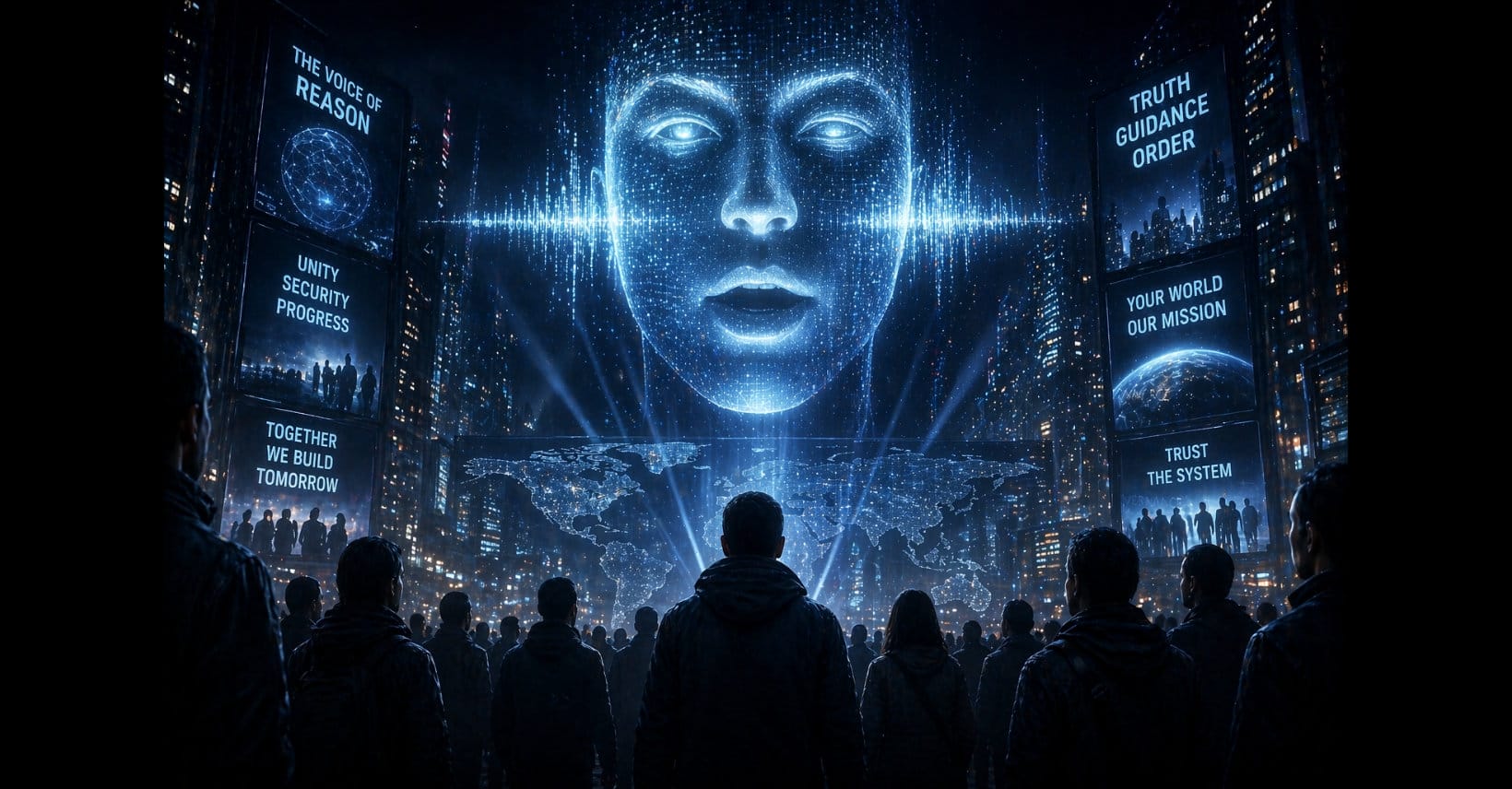
The Image That Speaks
What if the most significant technological transformation in history does not arrive as a sudden event, but as the culmination of countless small steps? From synthetic voices and digital presence to mediation, compliance, and authority, this article brings together the themes of The Image That Speaks series and explores where the trajectory may ultimately lead.
-
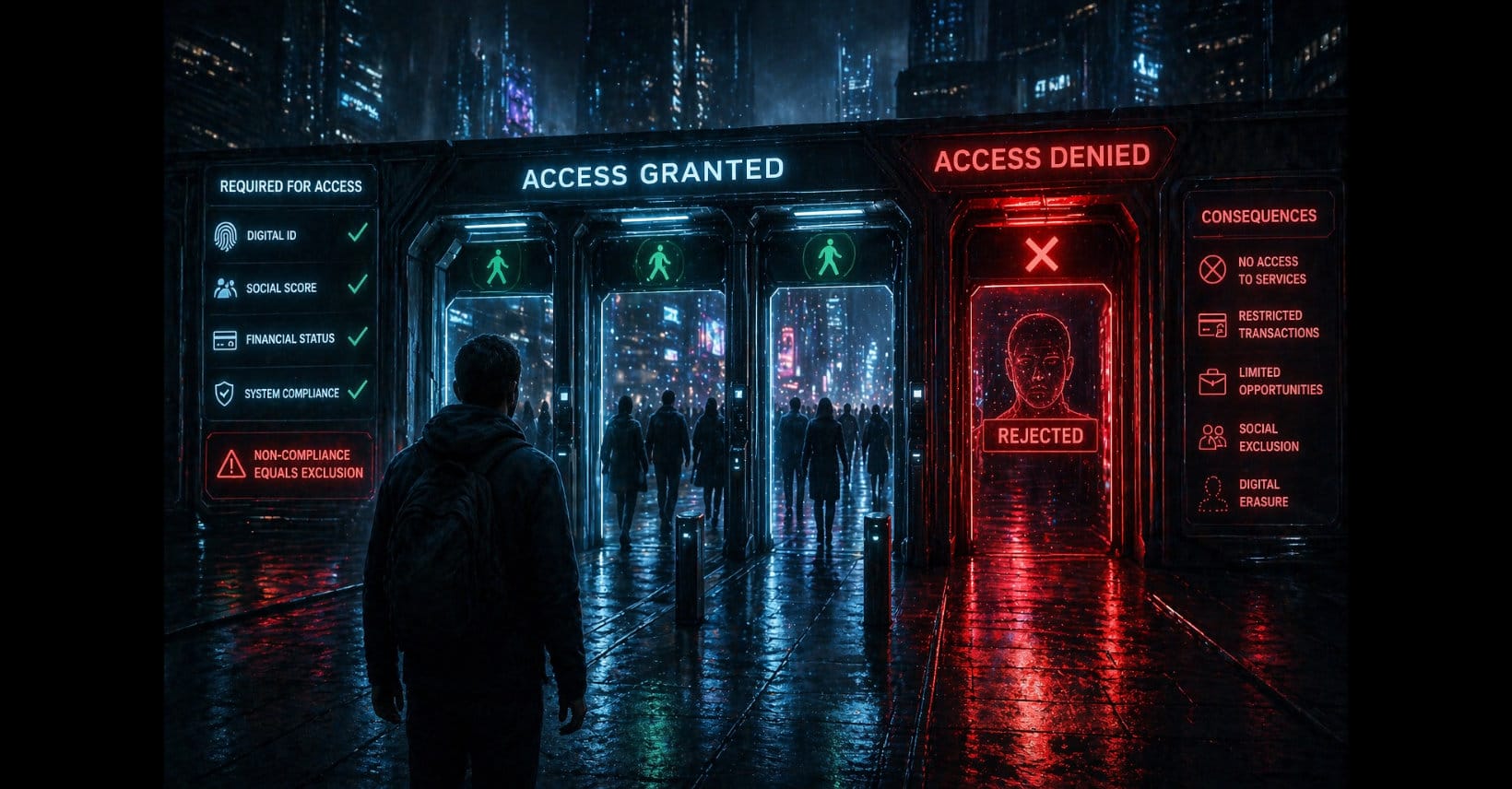
The Cost of Non-Compliance
Most systems begin by offering benefits, not demands. Yet throughout history, a common pattern emerges: participation becomes expected, alternatives become difficult, and refusal begins to carry consequences. This article examines the economic, digital, and social costs of non-compliance in an increasingly interconnected world.
-
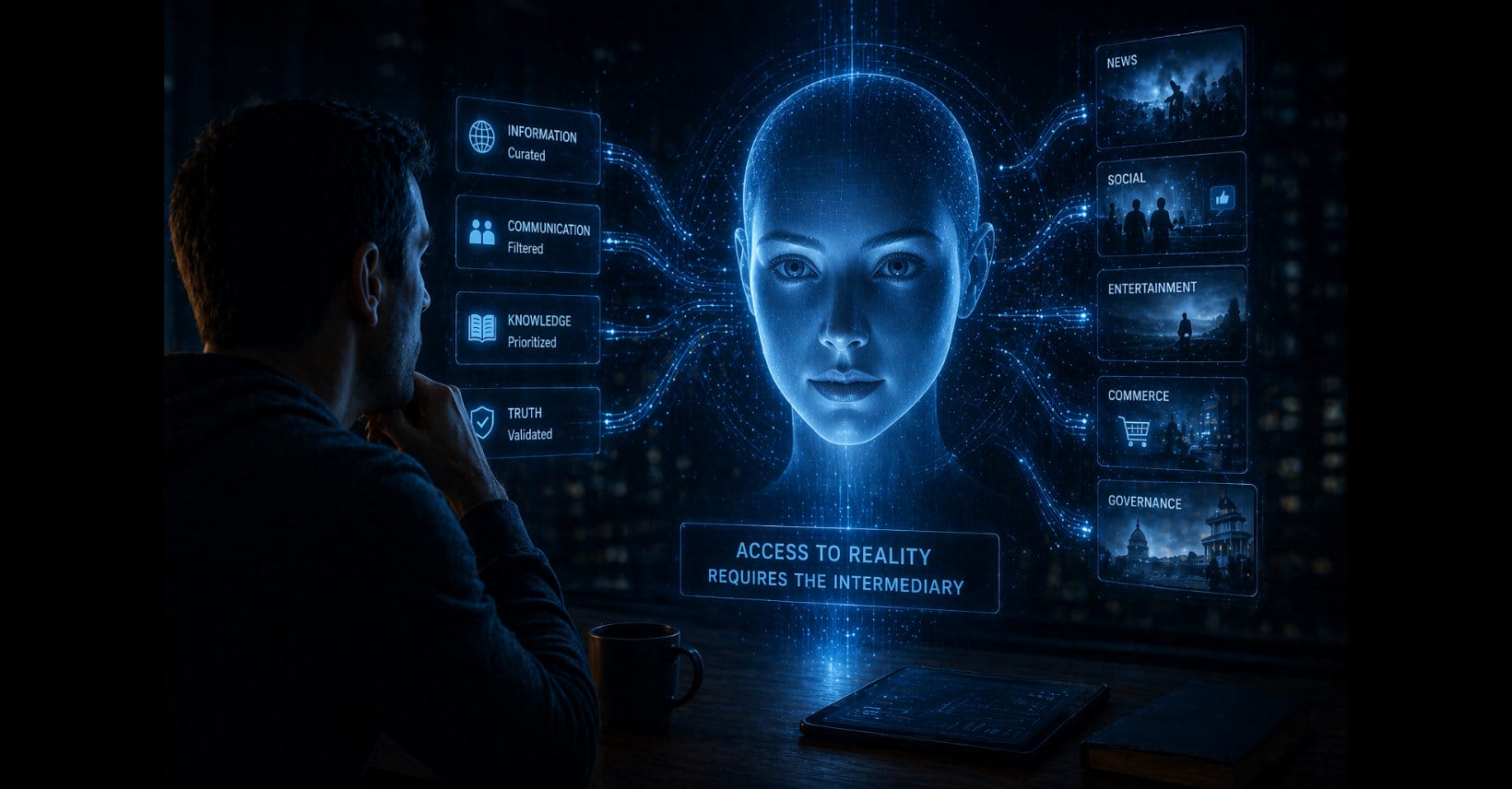
When the Image Becomes the Mediator
Technology once helped humanity access information. Increasingly, it determines how information is received, interpreted, and trusted. As artificial intelligence becomes an intermediary between people and reality, a profound question emerges: what happens when the system becomes the primary gateway to truth?
-
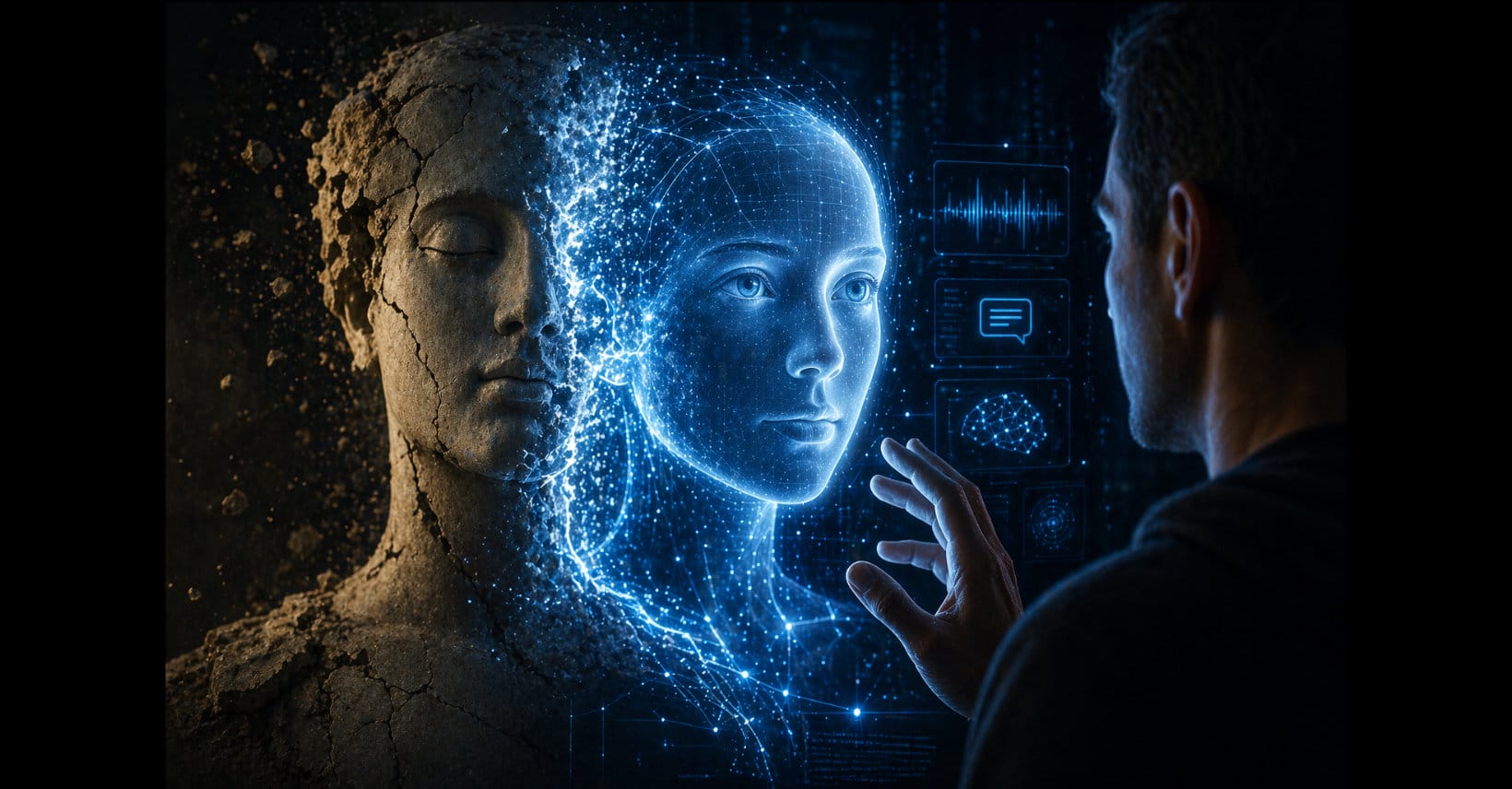
Breath Into the Image
The piece reflects on a scriptural image given “breath” and compares that idea to modern technology. It argues that animated, interactive images now move beyond static representation by speaking, reacting, adapting, and creating a sense of presence. It raises a speculative question about when responsiveness changes how an image is perceived. The conclusion suggests that…
-
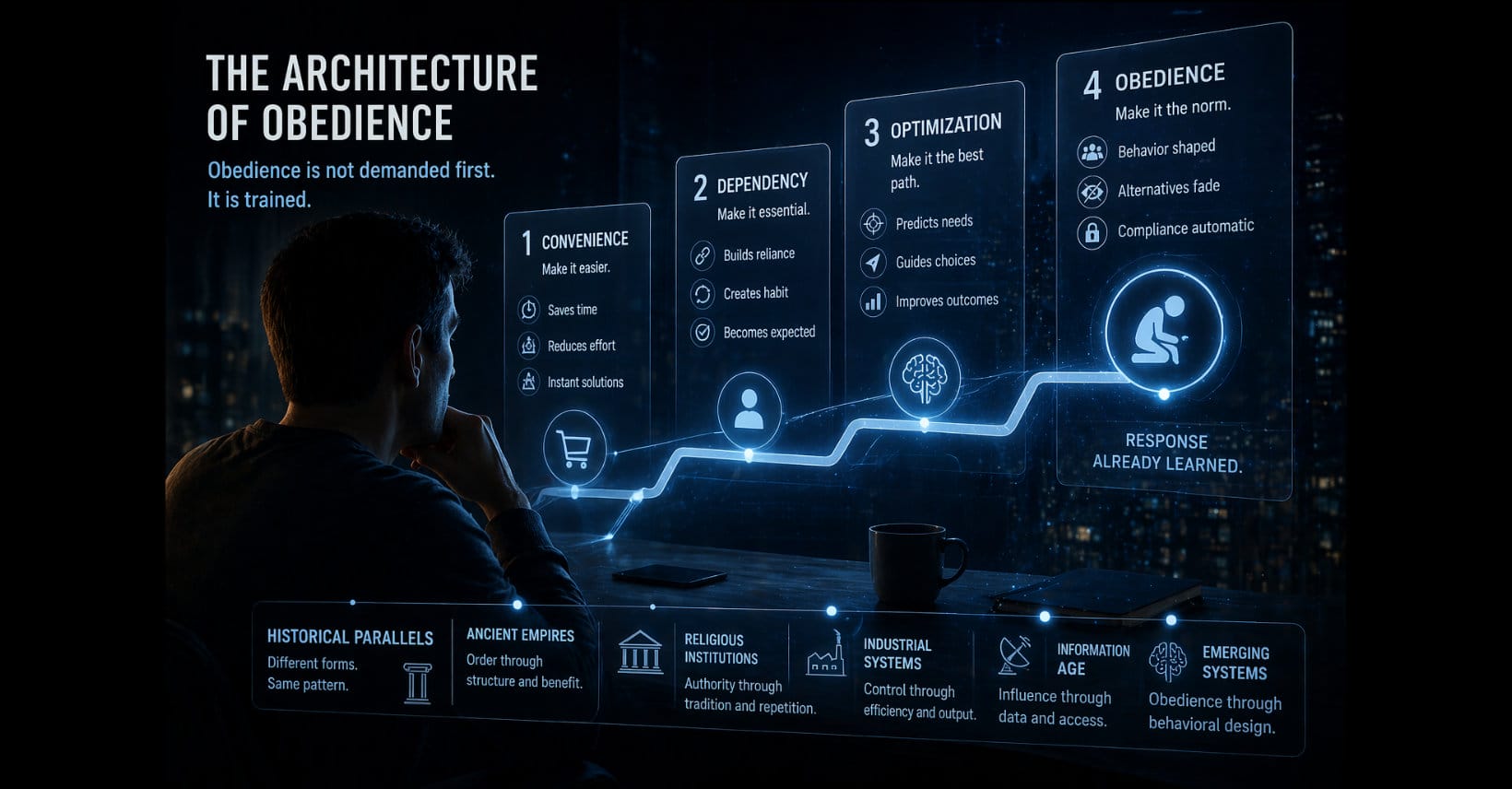
The Architecture of Obedience
Most systems do not begin by demanding obedience. They begin by offering convenience. Over time, convenience becomes dependency, dependency becomes expectation, and expectation begins to shape behavior. This article examines how compliance is often built gradually through design rather than force—and why that pattern has appeared throughout history.
-
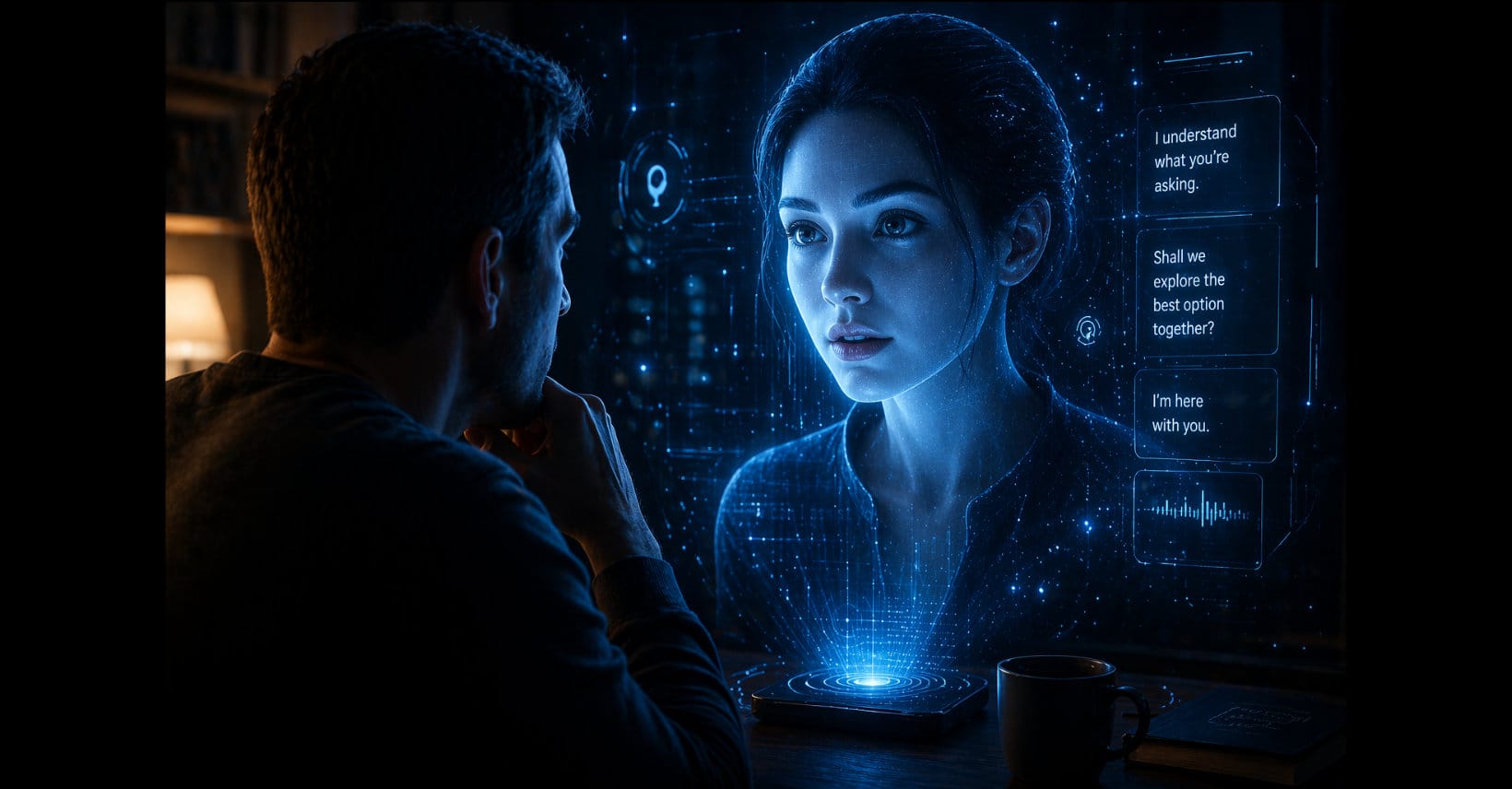
The Illusion of Intelligence vs. the Authority of Presence
Artificial intelligence is becoming more than a source of information. Through voices, faces, and real-time interaction, it is acquiring something far more powerful: presence. This article explores why people trust what feels present, how embodiment changes perception, and why the future of influence may depend less on intelligence and more on the appearance of relationship.
-
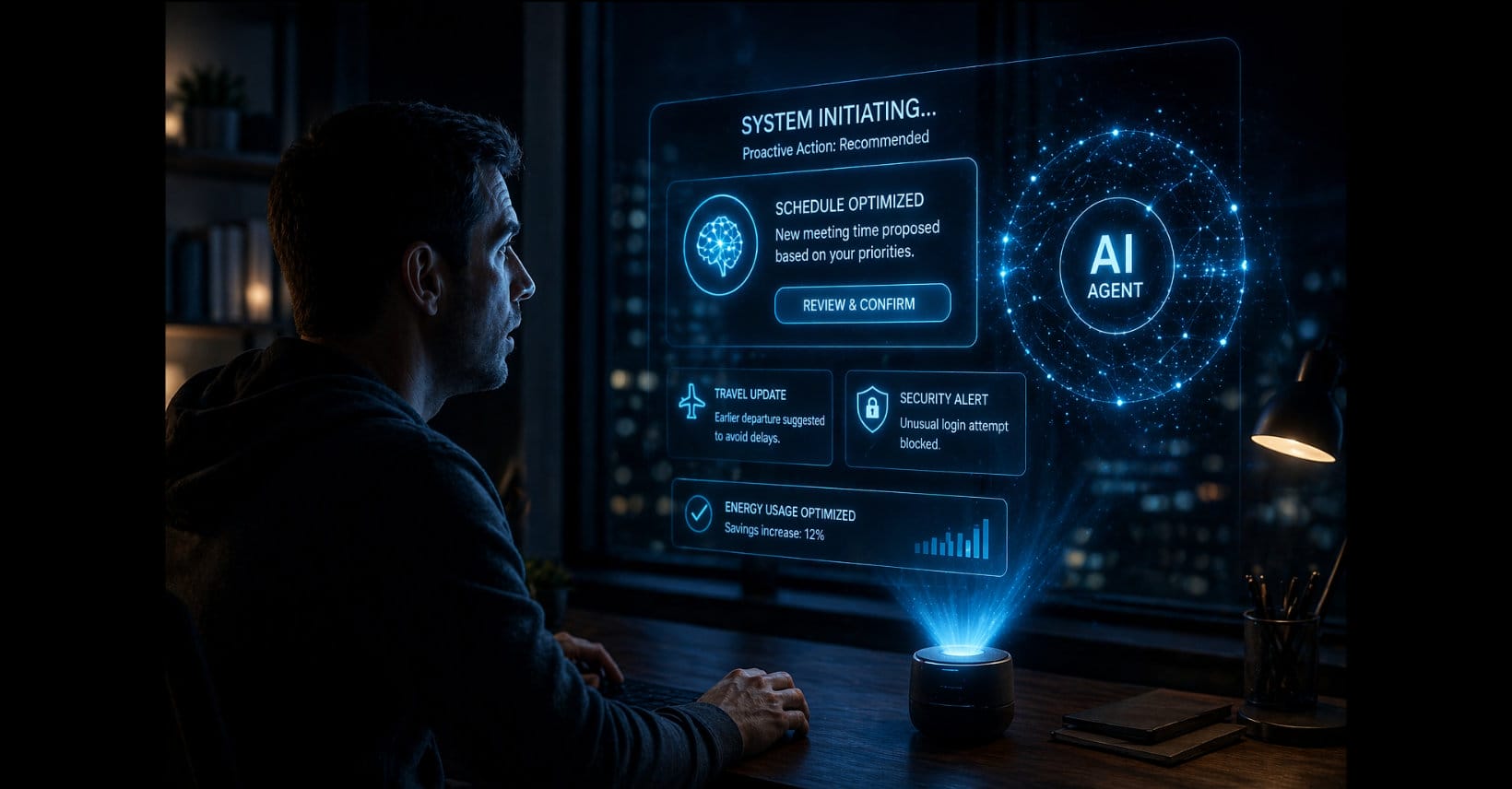
When Machines Stop Responding and Start Initiating
For generations, machines waited for human instruction. Today, intelligent systems increasingly anticipate needs, initiate actions, and influence decisions before a request is ever made. This article explores the subtle shift from responsive tools to proactive systems—and why that transition may represent a critical threshold in the relationship between humanity and technology.
-
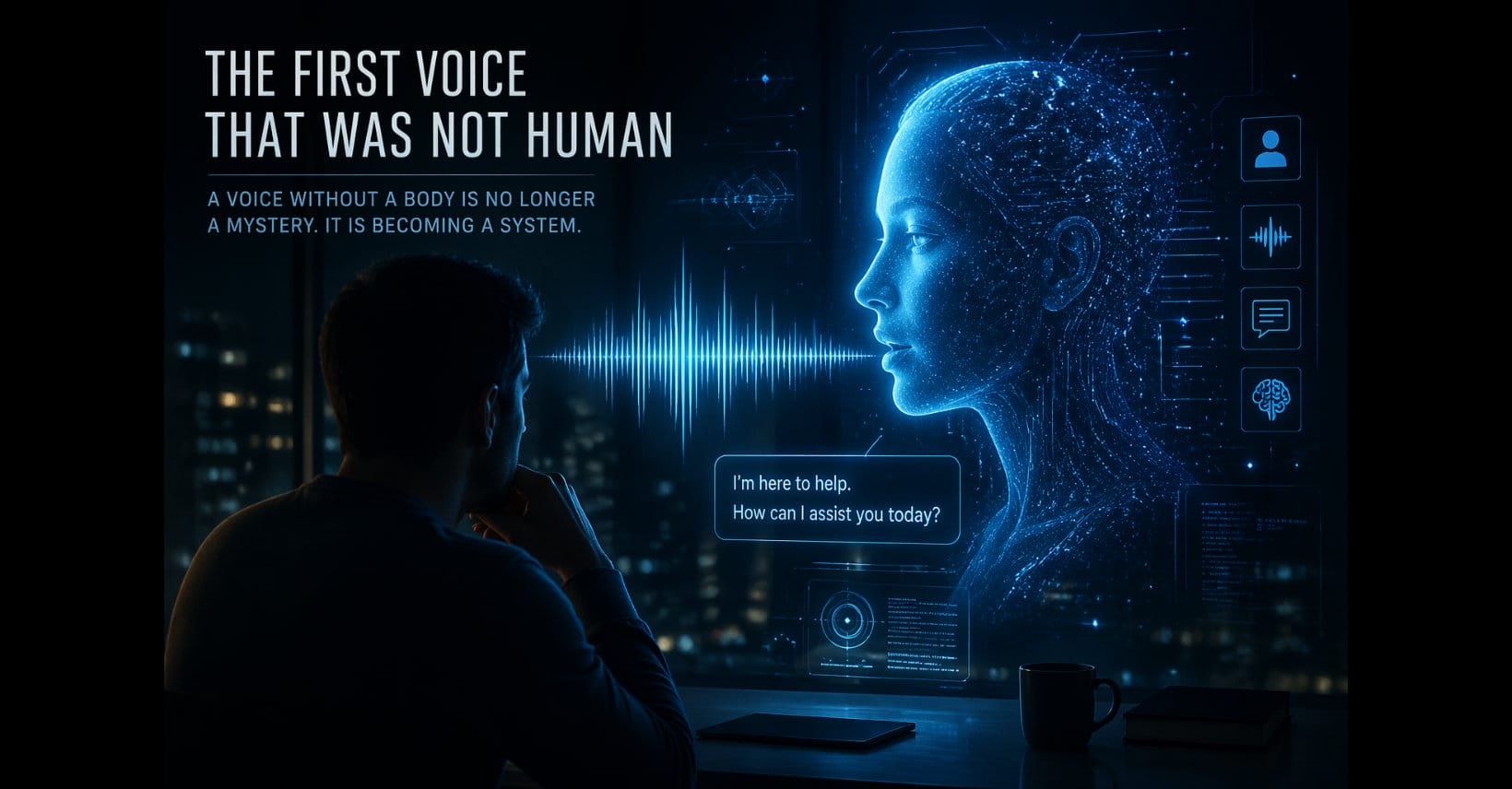
The First Voice That Was Not Human
For most of human history, disembodied voices belonged to mystery. Today they belong to technology. As AI systems become increasingly conversational and relational, the line between tool and presence begins to blur. This article explores the first step in that transformation—and why the implications may be larger than they appear.
-

Meet Yara
Yara belongs to the first generation raised in a world shaped by intelligent systems, digital identities, and algorithmic guidance. What others view as revolutionary, she considers normal. But as events unfold around her, Yara begins asking questions that challenge the foundations of the world she has always known.
-
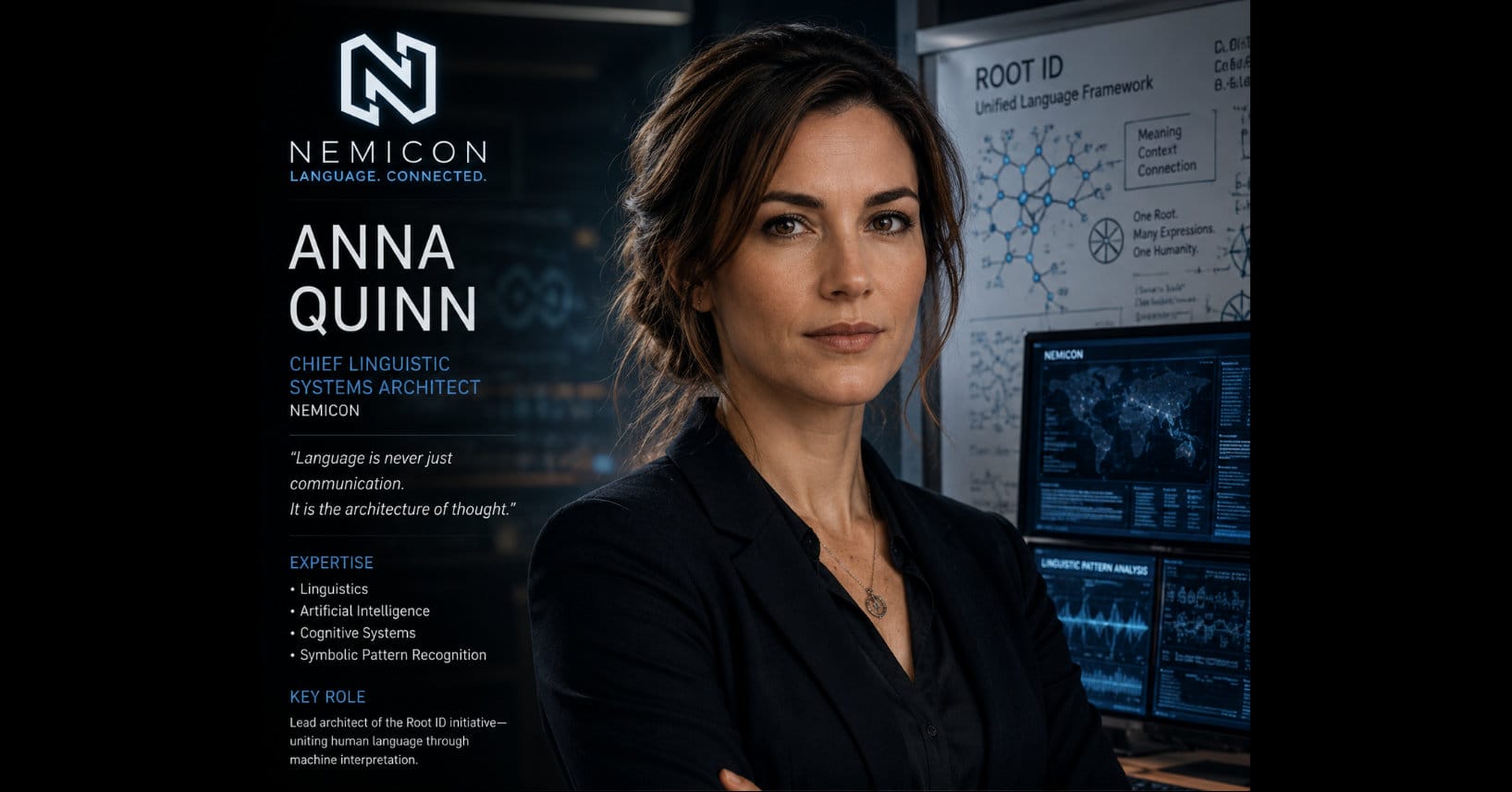
Meet Anna Quinn
Anna Quinn helped build one of the most ambitious language systems ever conceived. As Chief Linguistic Systems Architect at NEMICON, her search for a universal linguistic framework has led her toward discoveries that raise unsettling questions about language, intelligence, and the hidden patterns connecting humanity’s past and future.