Discernment Framework
-
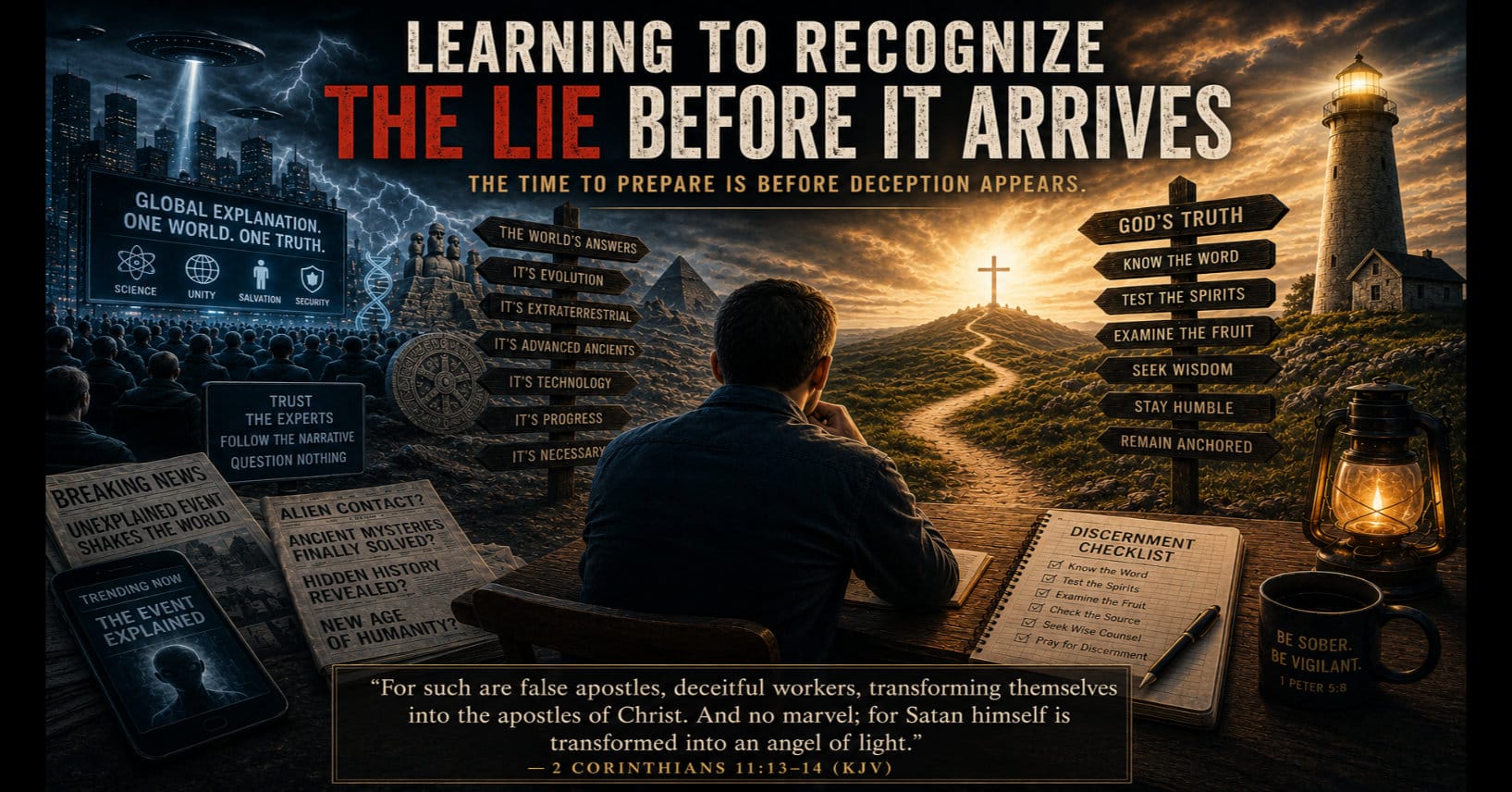
Learning to Recognize the Lie Before It Arrives
Most people prepare for events, but few prepare for deception. Yet Scripture repeatedly warns believers to develop discernment before it is needed. In this concluding article of the Discernment Framework series, we explore why the greatest deceptions often arrive as solutions, explanations, and answers to questions people desperately want answered. As the world grows increasingly…
-
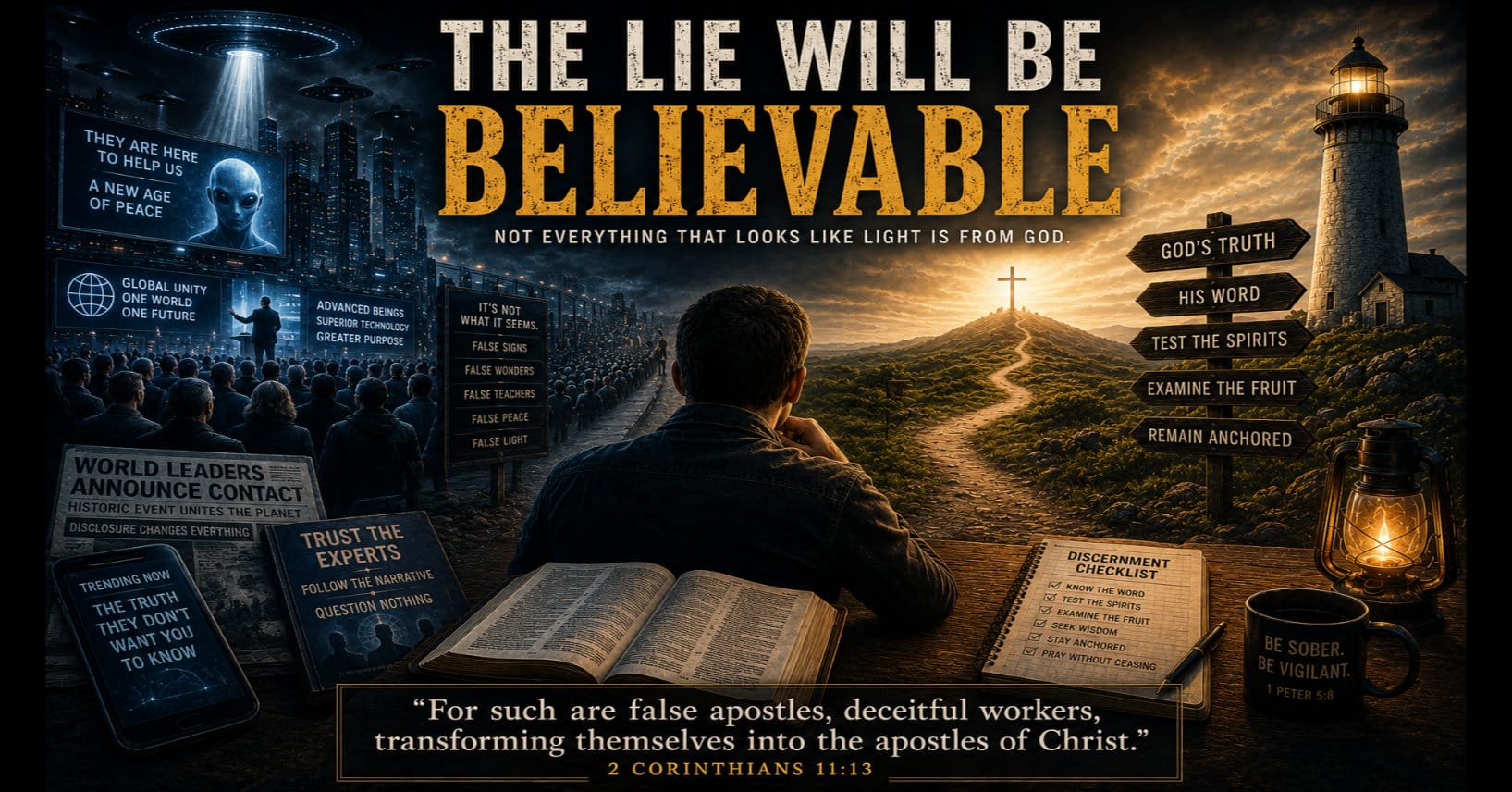
The Lie Will Be Believable
Why will the final deception succeed? Scripture suggests it will not be because people are forced to believe a lie, but because the lie appears convincing. In this concluding article of the Discernment Framework introduction, we explore why deception often arrives wrapped in reason, compassion, scientific authority, and cultural consensus. As the world searches for…
-
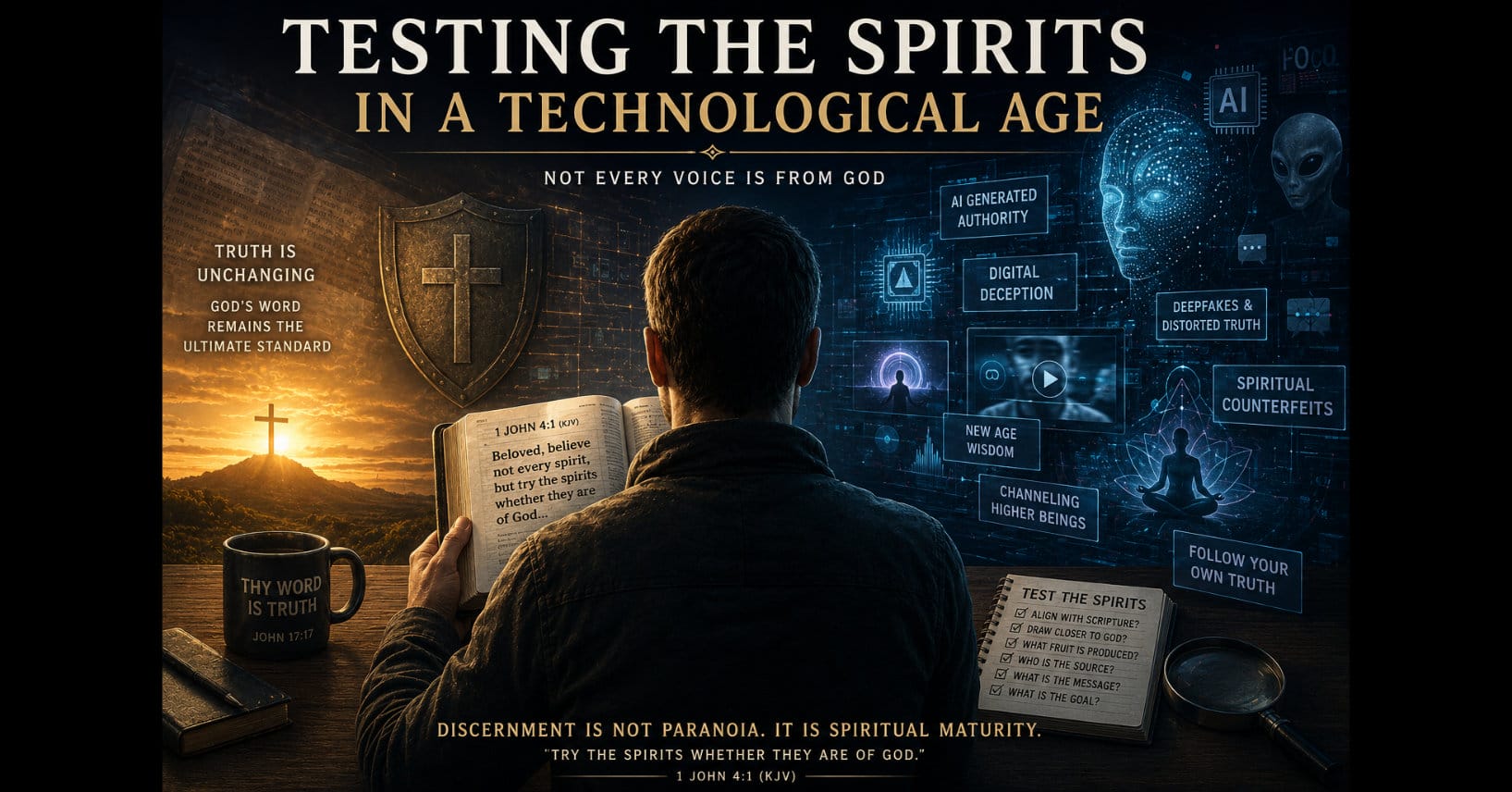
Testing the Spirits in a Technological Age
Artificial intelligence, deepfakes, digital influencers, and immersive technologies are changing the way people receive information and form beliefs. Yet the Apostle John’s command remains as relevant today as it was in the first century: “Believe not every spirit, but try the spirits whether they are of God.” In this fourth installment of the Discernment Framework…
-
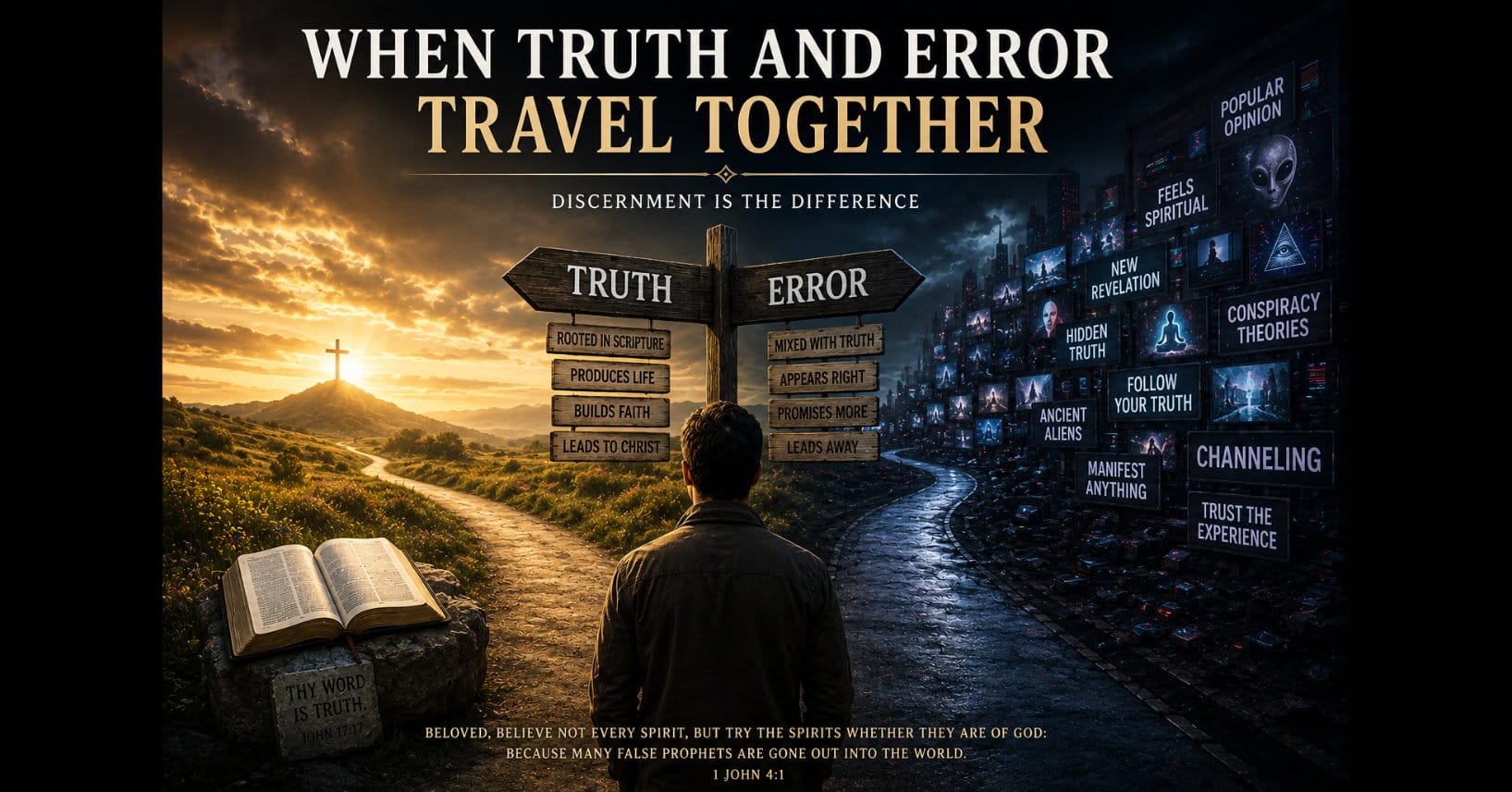
When Truth and Error Travel Together
Why are some deceptions so difficult to recognize? Because the most effective lies are rarely completely false. From the Garden of Eden to modern spiritual movements, deception often succeeds by mixing truth with error. In this third installment of the Discernment Framework series, we explore how counterfeits gain credibility, why Scripture warns believers to test…
-
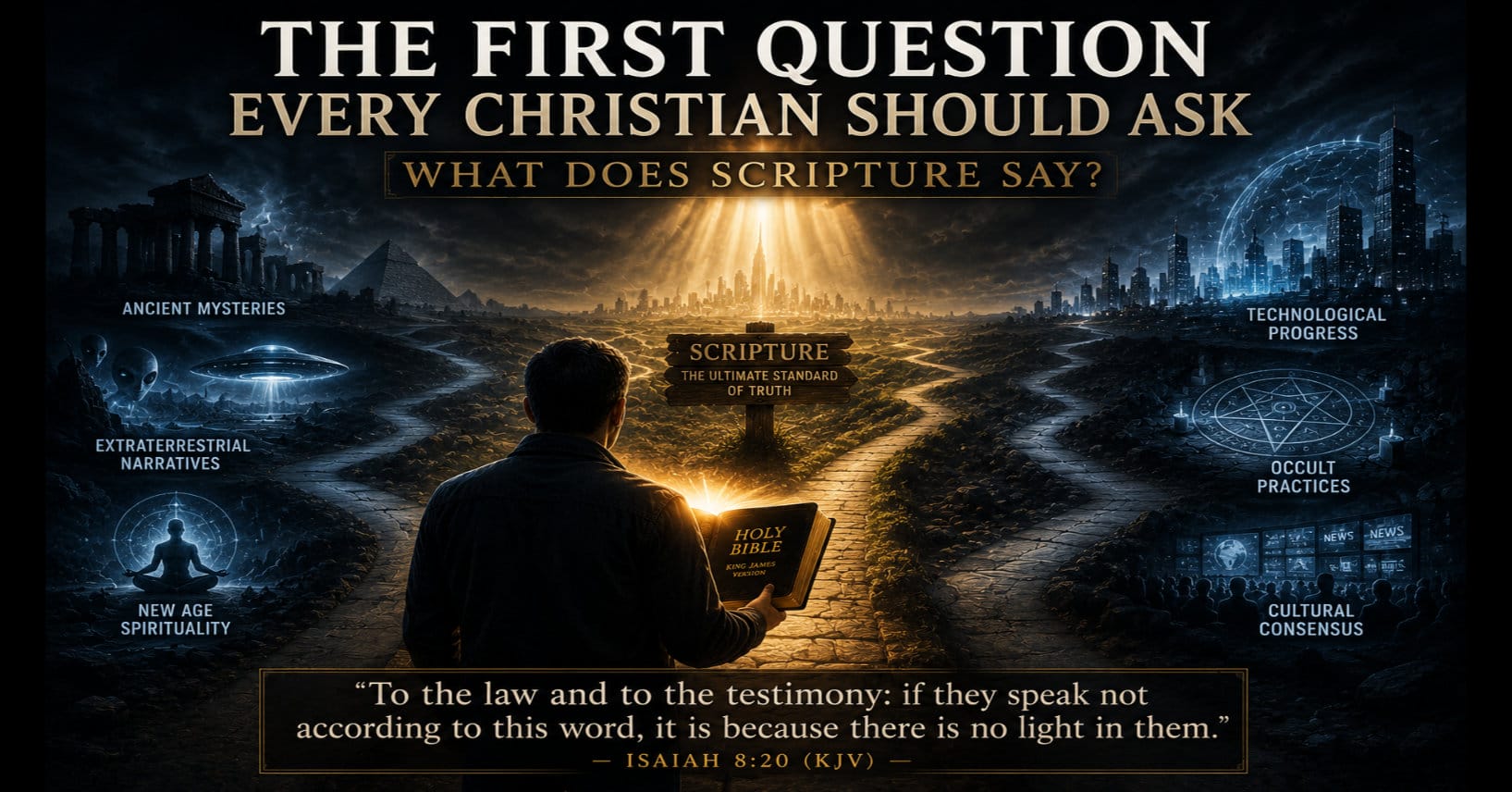
The First Question Every Christian Should Ask
Every generation is confronted with new teachers, new movements, new discoveries, and new explanations for reality. Some are helpful. Some are deceptive. Scripture provides a simple but powerful starting point for evaluating them all: What does Scripture say? In this installment of the Discernment Framework series, we explore why biblical truth must remain the ultimate…
-
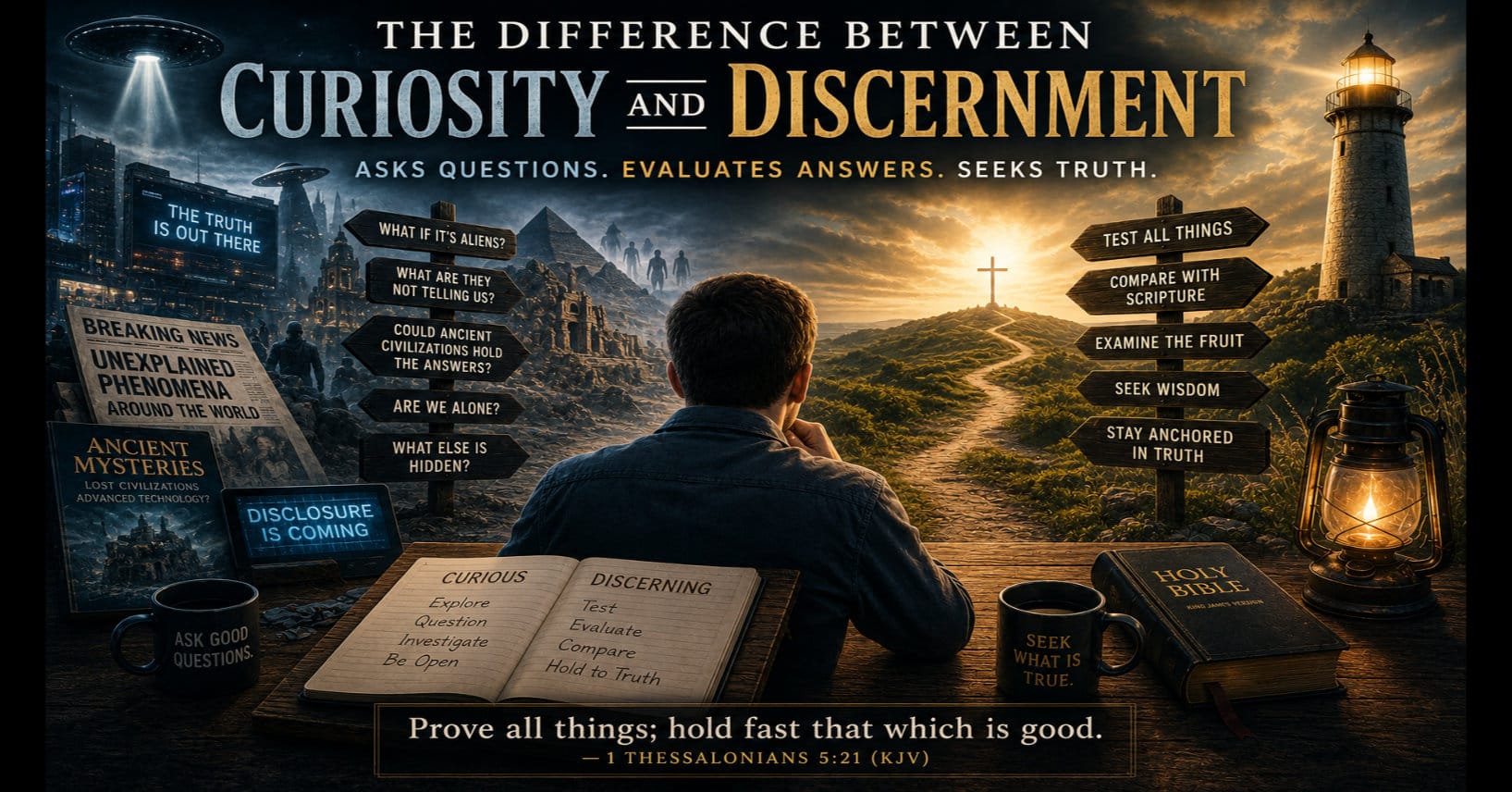
The Difference Between Curiosity and Discernment
Why are subjects like UFOs, ancient mysteries, hidden history, and anomalous phenomena so fascinating? Because God created us with curiosity. But curiosity alone cannot protect us from deception. In this installment of the Discernment Framework series, we explore the critical difference between asking questions and evaluating answers. As Christians navigate a world filled with extraordinary…
-
Why Intelligent People Believe Extraordinary Lies
Why do intelligent people embrace extraordinary claims? The Bible suggests deception is not primarily an intelligence problem but a discernment problem. In the first article of the Discernment Framework series, we explore why truth requires more than knowledge, and why the ability to distinguish truth from error may be one of the most important skills…
-
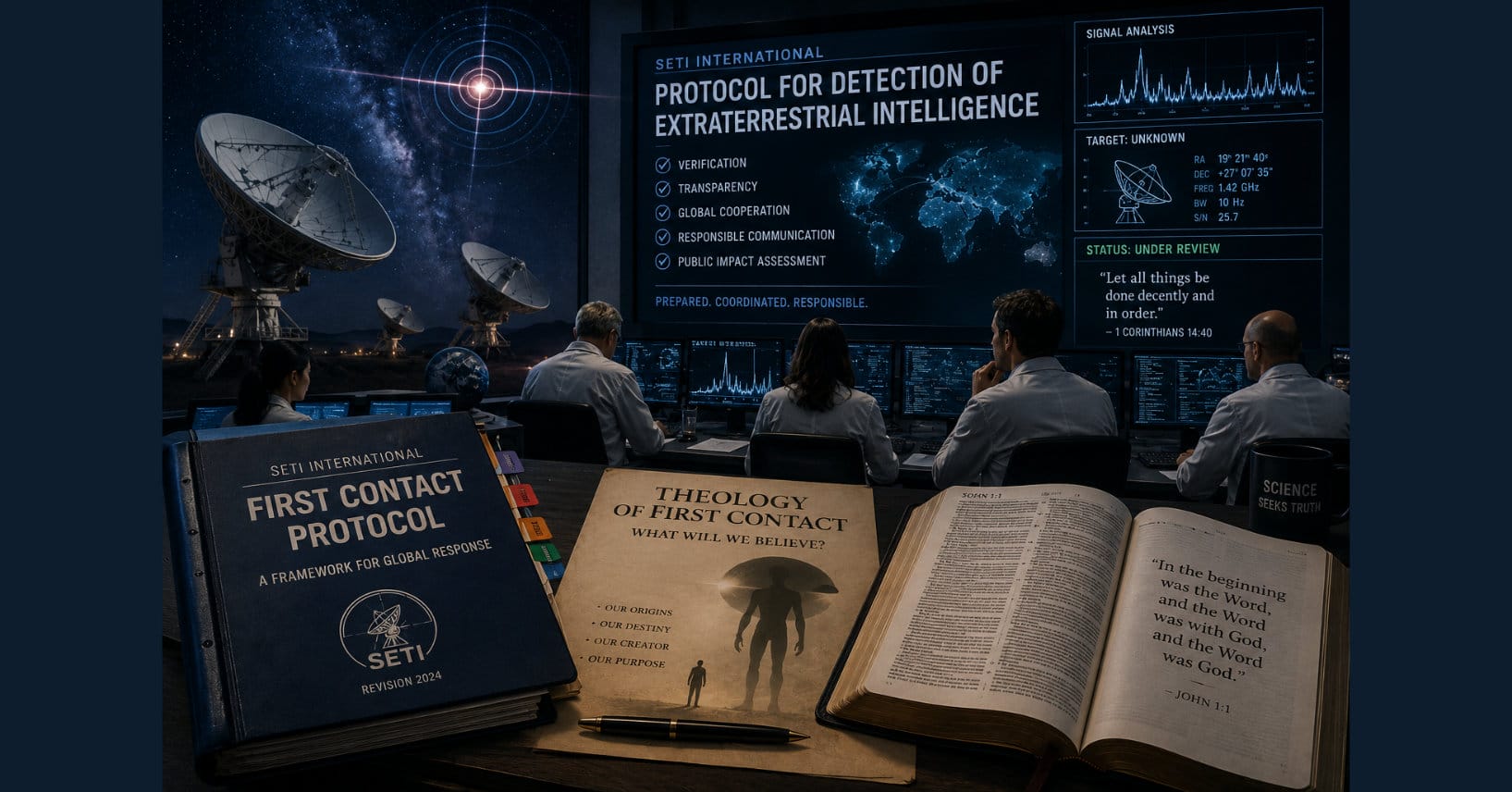
SETI’s New Rulebook and the Theology of First Contact
SETI’s updated protocols for handling a potential extraterrestrial signal are scientifically responsible, but they also reveal a cultural shift. As the world prepares for the possibility of first contact, Christians should consider not only the evidence but the worldview such an event could promote.
-
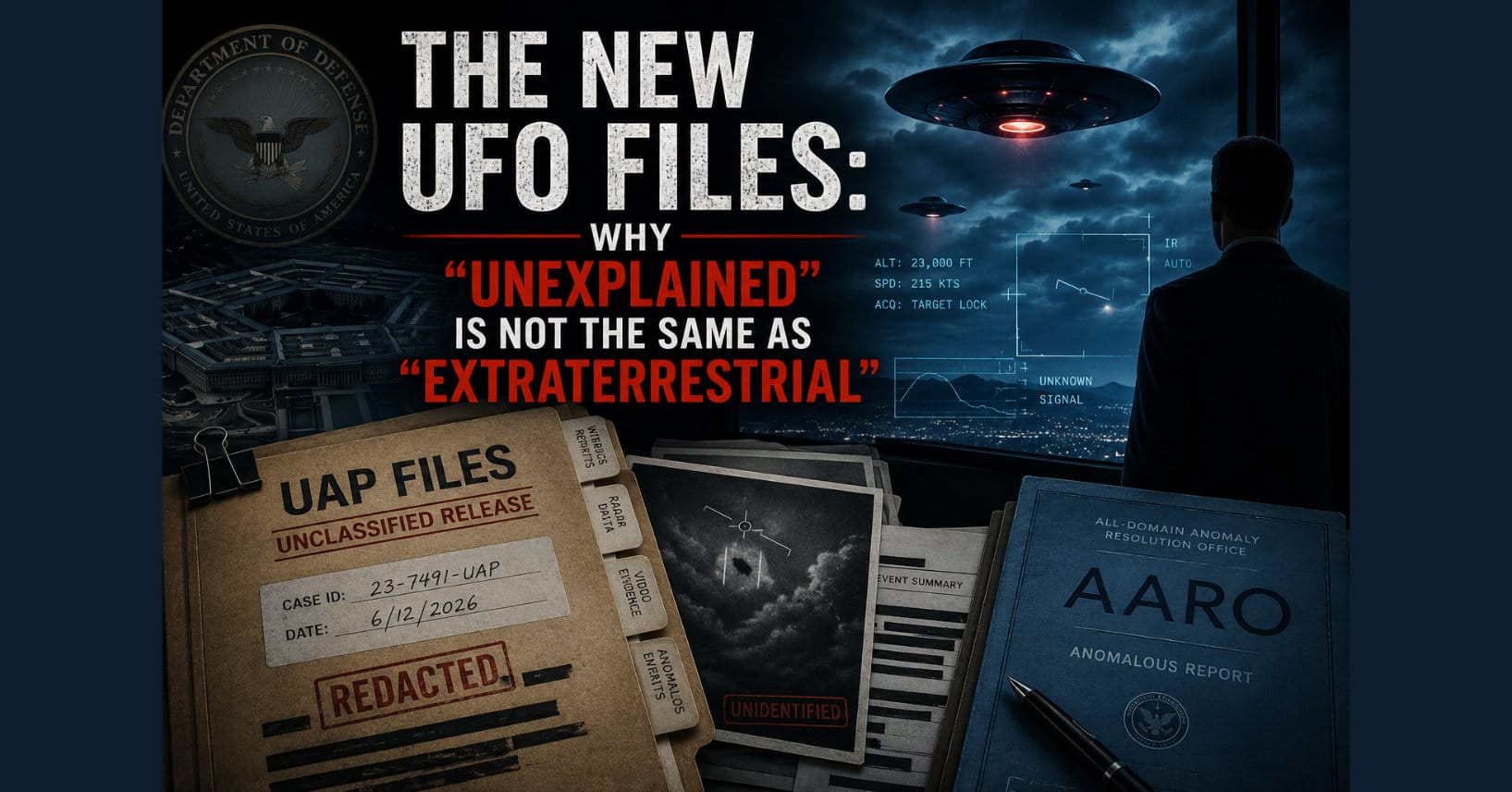
The New UFO Files: Why “Unexplained” Is Not the Same as “Extraterrestrial”
New UAP files may raise legitimate questions, but “unexplained” does not automatically mean extraterrestrial. This article examines why Christians should approach UFO reports with discernment rather than speculation.
-
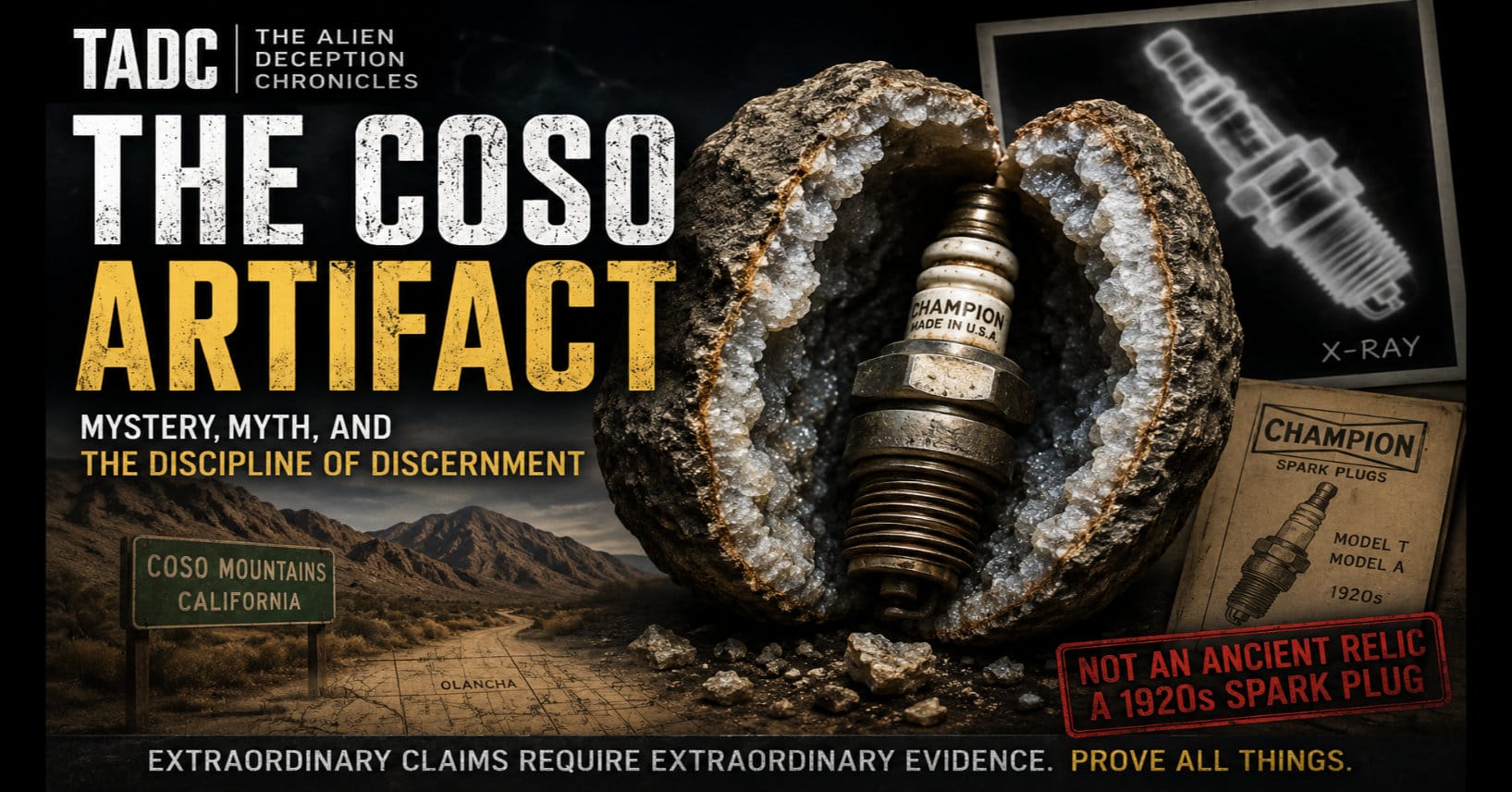
The Coso Artifact: Mystery, Myth, and the Discipline of Discernment
Was the Coso Artifact proof of a forgotten advanced civilization, ancient aliens, or a prehistoric technology mystery? A closer look reveals a powerful lesson about evidence, discernment, and why Christians should test extraordinary claims before accepting them.