lost civilizations
-

Ancient Gold Tomb and the Power of Forgotten Civilizations
Archaeologists at Panama’s El Caño site uncovered Tomb 3, an elite burial from the 8th–11th centuries AD filled with gold ornaments, ceremonial objects, and decorated ceramics from the Gran Coclé culture. The discovery highlights the sophistication of ancient Central American metallurgy and social hierarchy while also inspiring speculation about lost technologies and extraterrestrial influence.
-

When Sensors Reveal the Past — and the Sky
Recent archaeological, technological, and institutional developments are reshaping how hidden data is interpreted. Advanced drone imaging has revealed a buried Roman city in Italy, new analysis has pushed hafted stone tools much further back in time, and official UAP directives are normalizing anomalous aerial phenomena. The piece argues that instrumentation is changing perception and narrative…
-

Lost Underwater City Off Western India: A Civilization Forgotten and Its Cosmic Echoes
Recent reports from India’s western shoreline suggest the possible remains of a lost ancient city beneath the Indian Ocean, with stone roads, foundations, and other architectural traces. The discovery could reshape ideas about ancient South Asian urbanism, while also fueling broader questions about submerged civilizations, flood legends, and whether early human societies possessed capabilities still…
-

A 6,300-Year-Old Stone Monument Complex in France Rewrites Ritual Prehistory
Archaeologists in Brittany, western France, have uncovered a 6,300-year-old Neolithic stone complex with monumental standing stones, aligned slabs, and ceremonial features. Radiocarbon dating suggests organized ritual architecture in Western Europe began far earlier than once thought, challenging assumptions about early human society, symbolic belief, and the origins of megalithic construction.
-
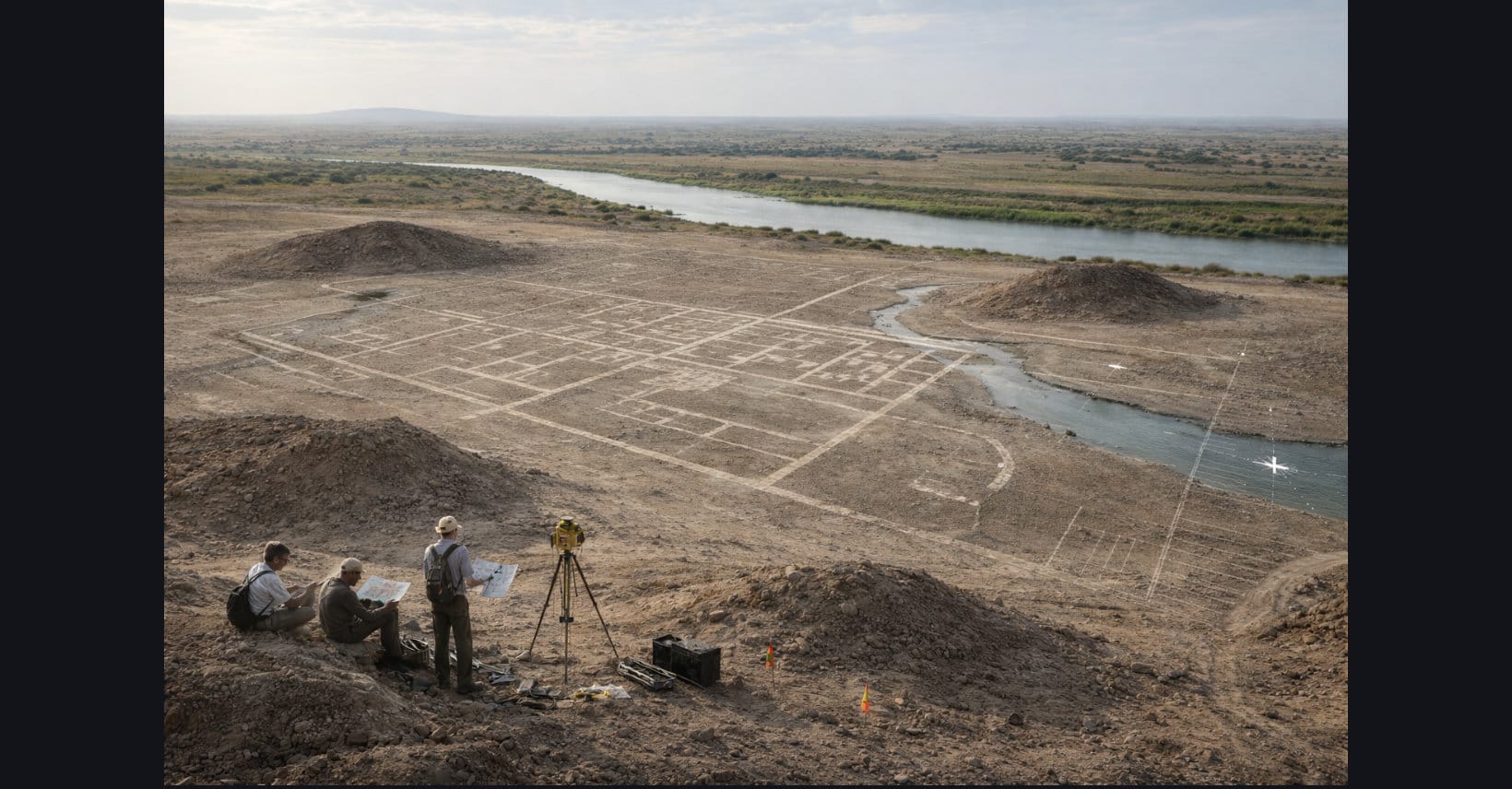
A Forgotten Hellenistic Megacity Re-Emerges From the Desert of Southern Iraq
Archaeologists in southern Iraq are confirming the rediscovery of Alexandria on the Tigris, a long-suspected Hellenistic port city linked to the Seleucid era. Drone surveys, magnetometry, and radar reveal an urban grid, canals, and civic complexes beneath silt and desert, showing how modern imaging can expose buried centers of ancient trade and power.
-
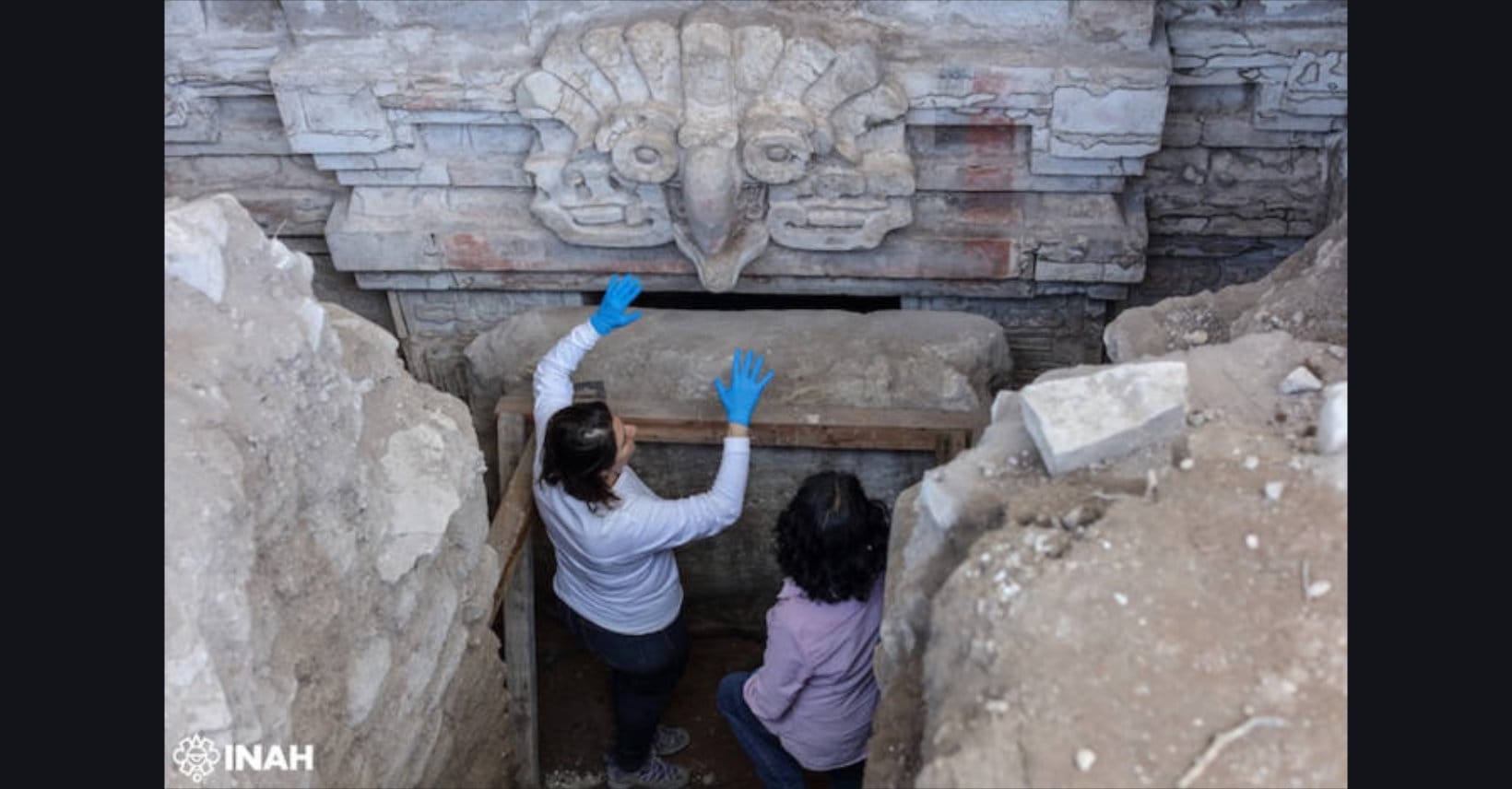
Unearthing the “Cloud People” Tomb: A Portal to Ancient Awe
Archaeologists in San Pablo Huitzo, Oaxaca, have uncovered a 1,400-year-old tomb rich with symbolism, including a monumental stone owl, vivid murals, and mysterious calendrical glyphs. Hailed as a major discovery, the site offers new clues about Zapotec funerary customs, cosmology, and possible celestial themes embedded in ancient ritual art.
-
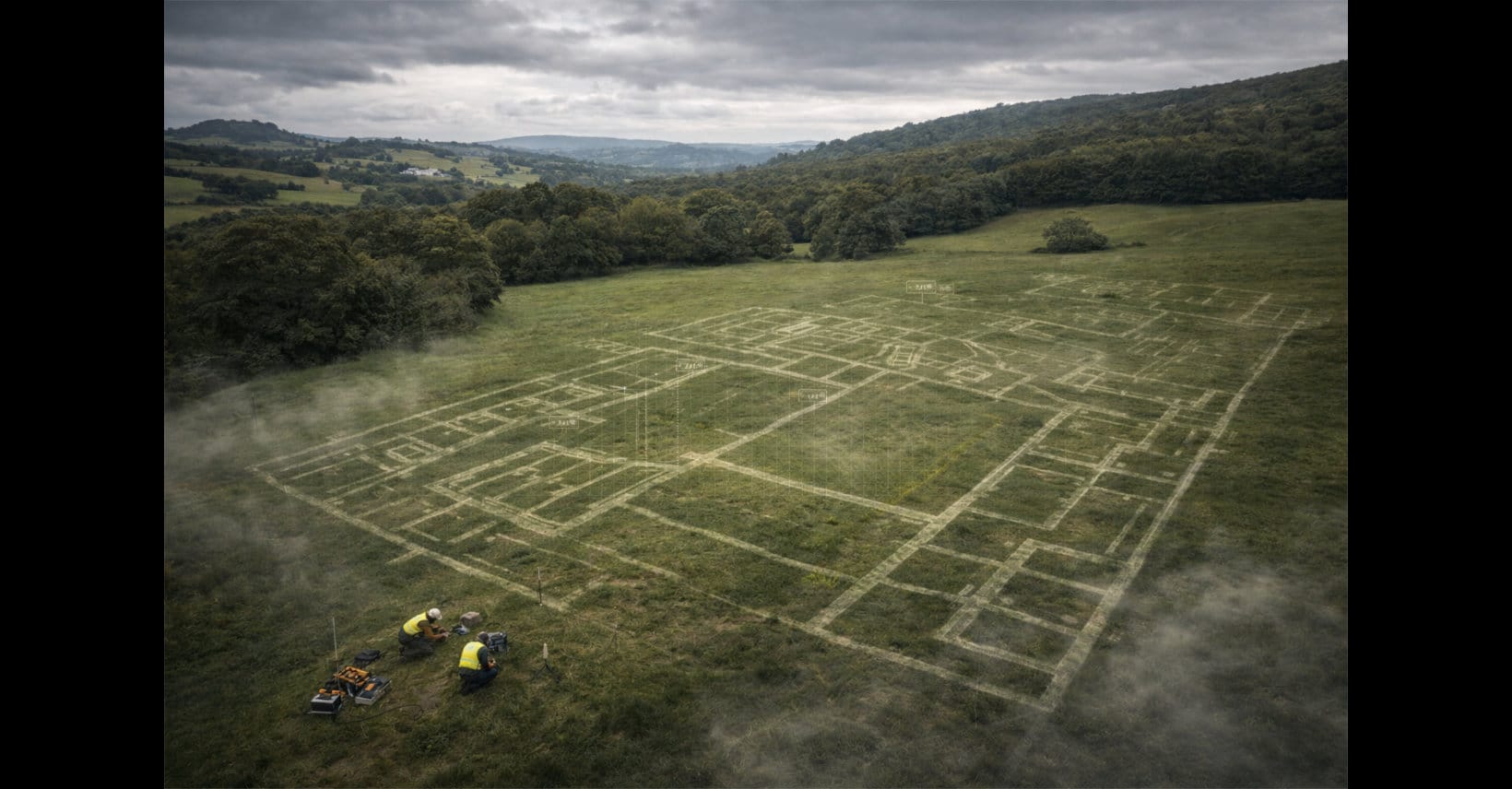
“Port Talbot’s Pompeii”: The Roman Mega-Villa That Makes Britain’s Past Look Edited
Archaeologists at Margam Country Park near Port Talbot, South Wales, have uncovered the footprint of what may be the largest Roman villa complex ever found in Wales. Detected by ground-penetrating radar, the 4th-century site suggests a major agricultural center and points to a more complex, productive Roman presence in Wales than previously assumed.
-
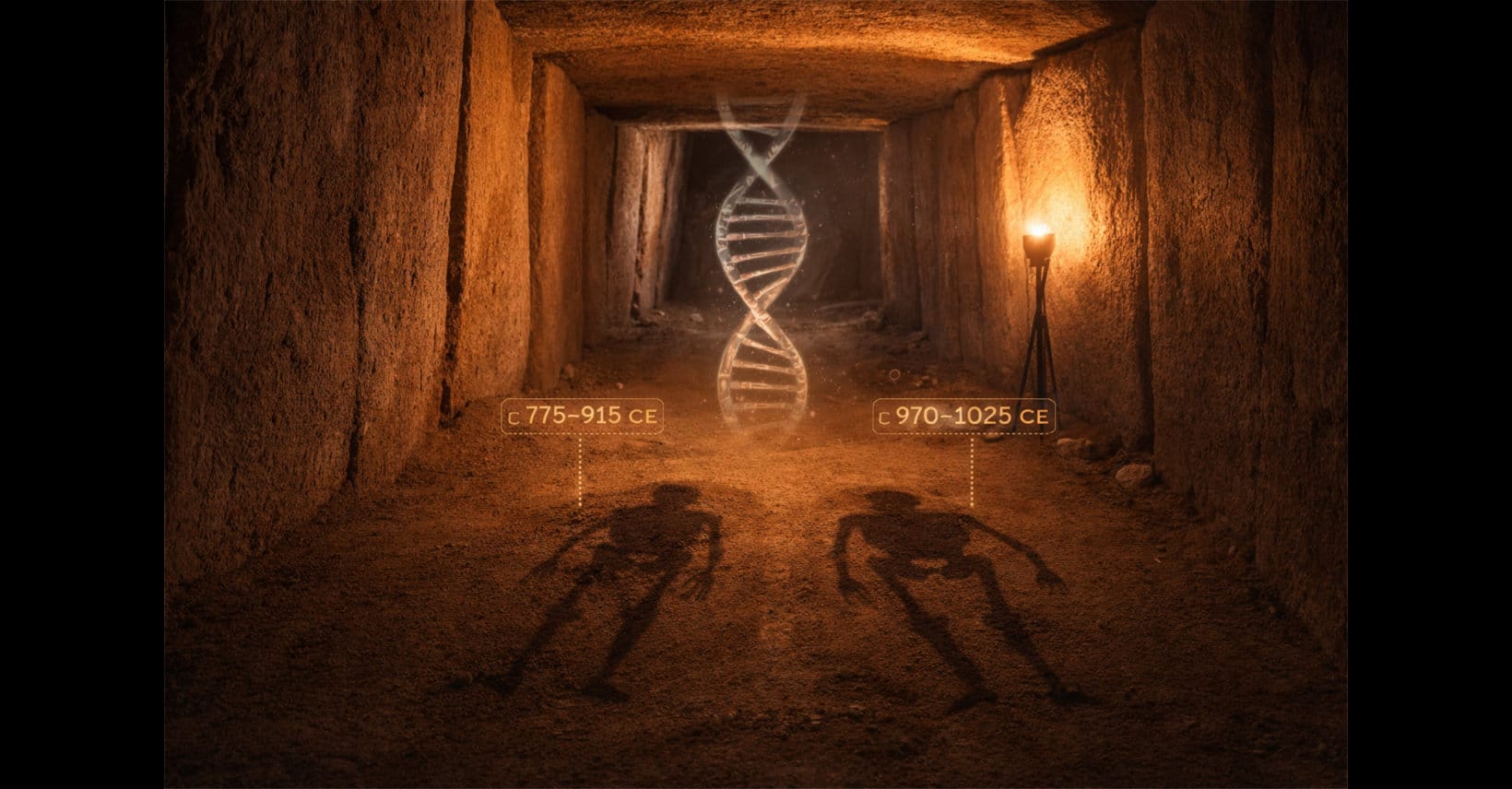
Menga Dolmen’s Medieval Burials: A Megalith That Refused to Become a Ruin
A new analysis of the Menga Dolmen in Andalusia reveals that two men were buried there between the 8th and 11th centuries CE, showing the Neolithic monument remained ritually active long after its construction. Radiocarbon dating and degraded DNA indicate later communities deliberately reused the site, aligning the face-down burials with the dolmen’s axis.
-

“Dragon Stones” of Armenia: 8,000-Year-Old Monoliths That Look Like a Warning Marker
New research suggests Armenia’s vishaps, or “dragon stones,” may date back 8,000 years and were often placed near springs and streams on Mount Aragats. Carved with fish and other animal figures, these monoliths may have marked water resources, territory, and ritual meaning, hinting at an ancient system where practical survival and symbolism were deeply linked.