historical mysteries
-
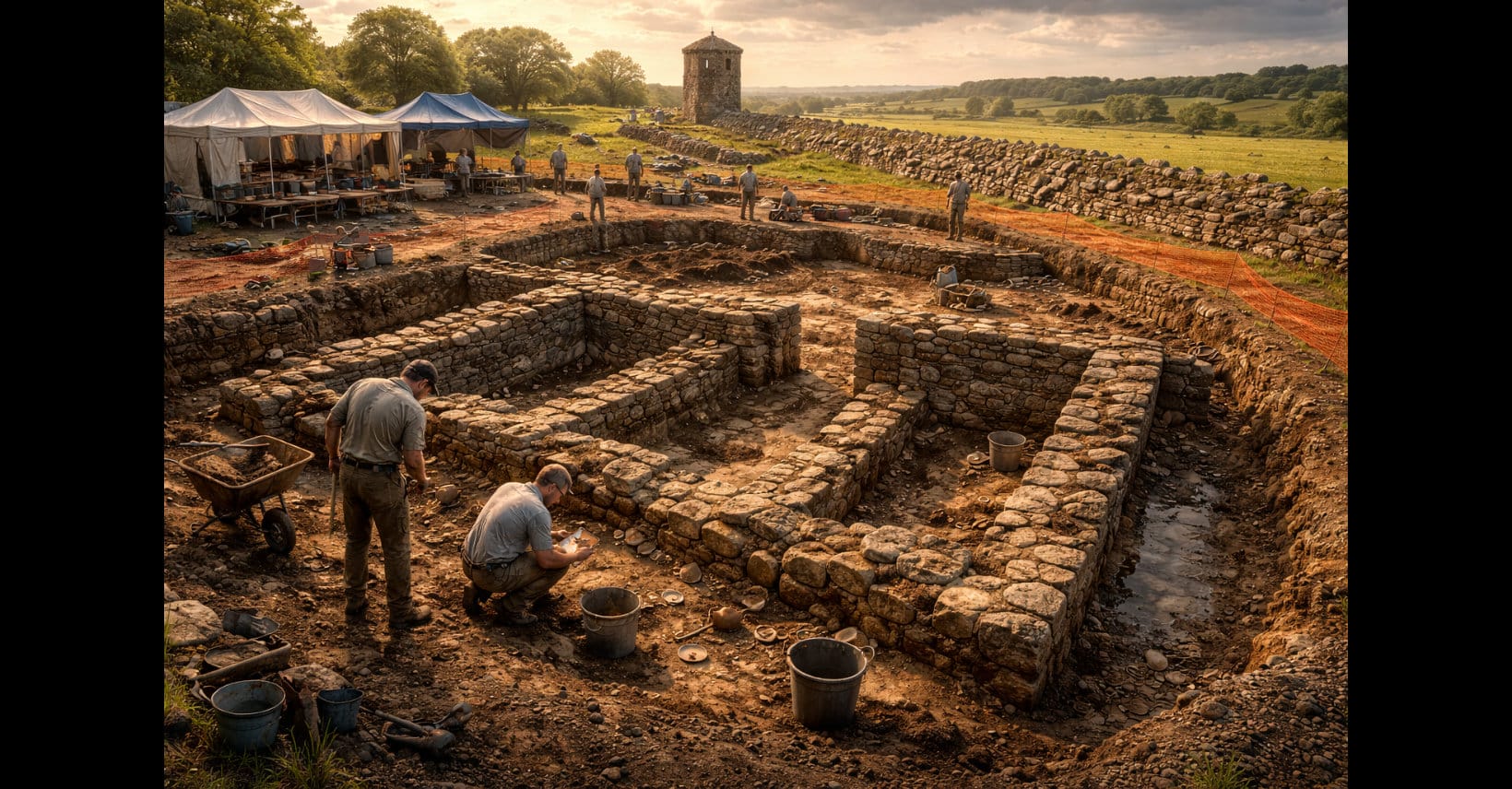
Newly Identified Roman Fortlet Reveals the Hidden Infrastructure of an Empire
Archaeologists in Scotland have uncovered a previously unknown Roman fortlet beneath residential gardens along the Antonine Wall, revealing stone foundations, a defensive rampart and ditch, and Roman pottery. The find highlights the strategic role of small frontier outposts in the empire’s northernmost boundary and underscores the remarkable engineering and organization of ancient Roman infrastructure.
-
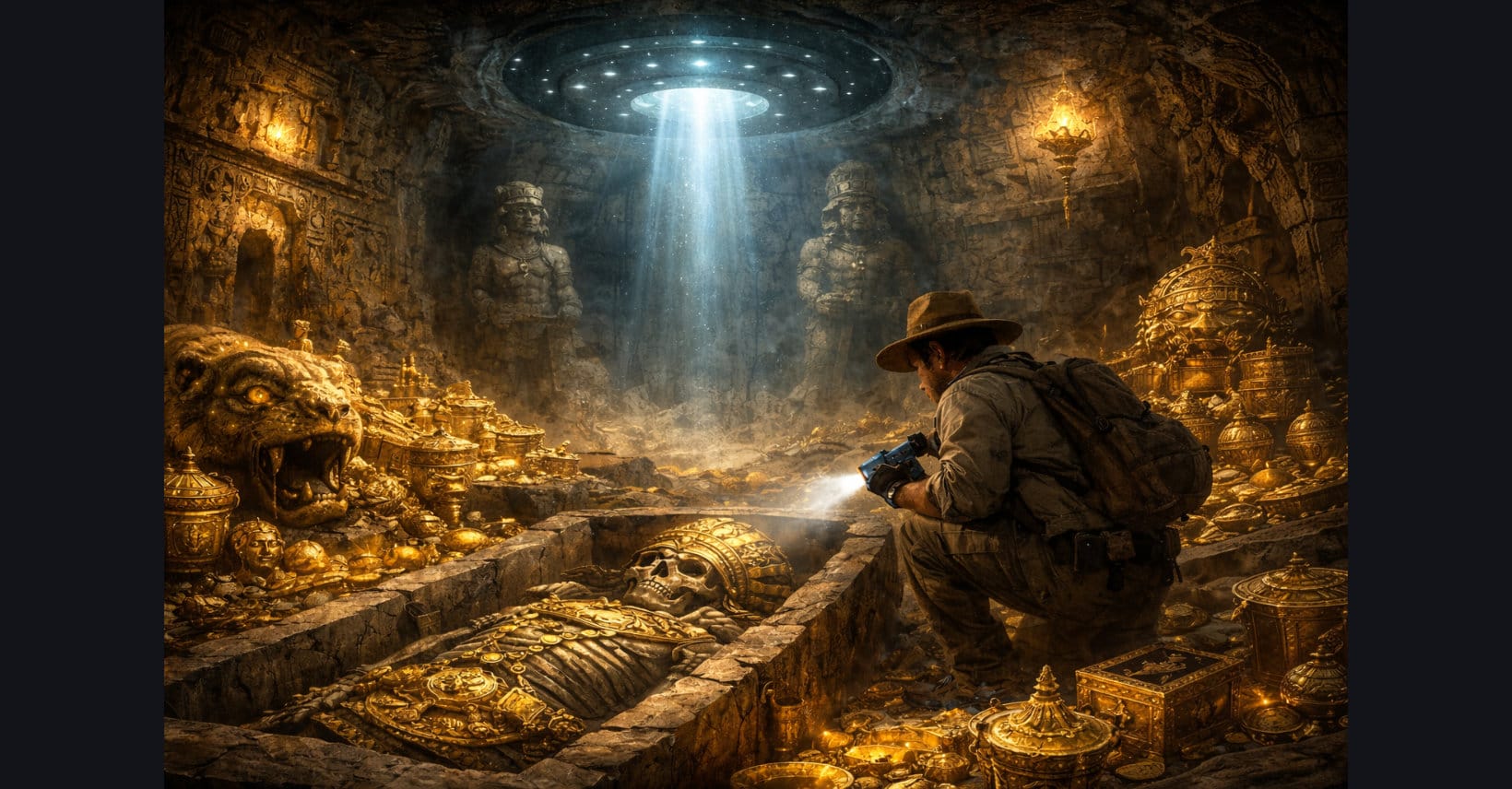
Ancient Gold Tomb and the Power of Forgotten Civilizations
Archaeologists at Panama’s El Caño site uncovered Tomb 3, an elite burial from the 8th–11th centuries AD filled with gold ornaments, ceremonial objects, and decorated ceramics from the Gran Coclé culture. The discovery highlights the sophistication of ancient Central American metallurgy and social hierarchy while also inspiring speculation about lost technologies and extraterrestrial influence.
-
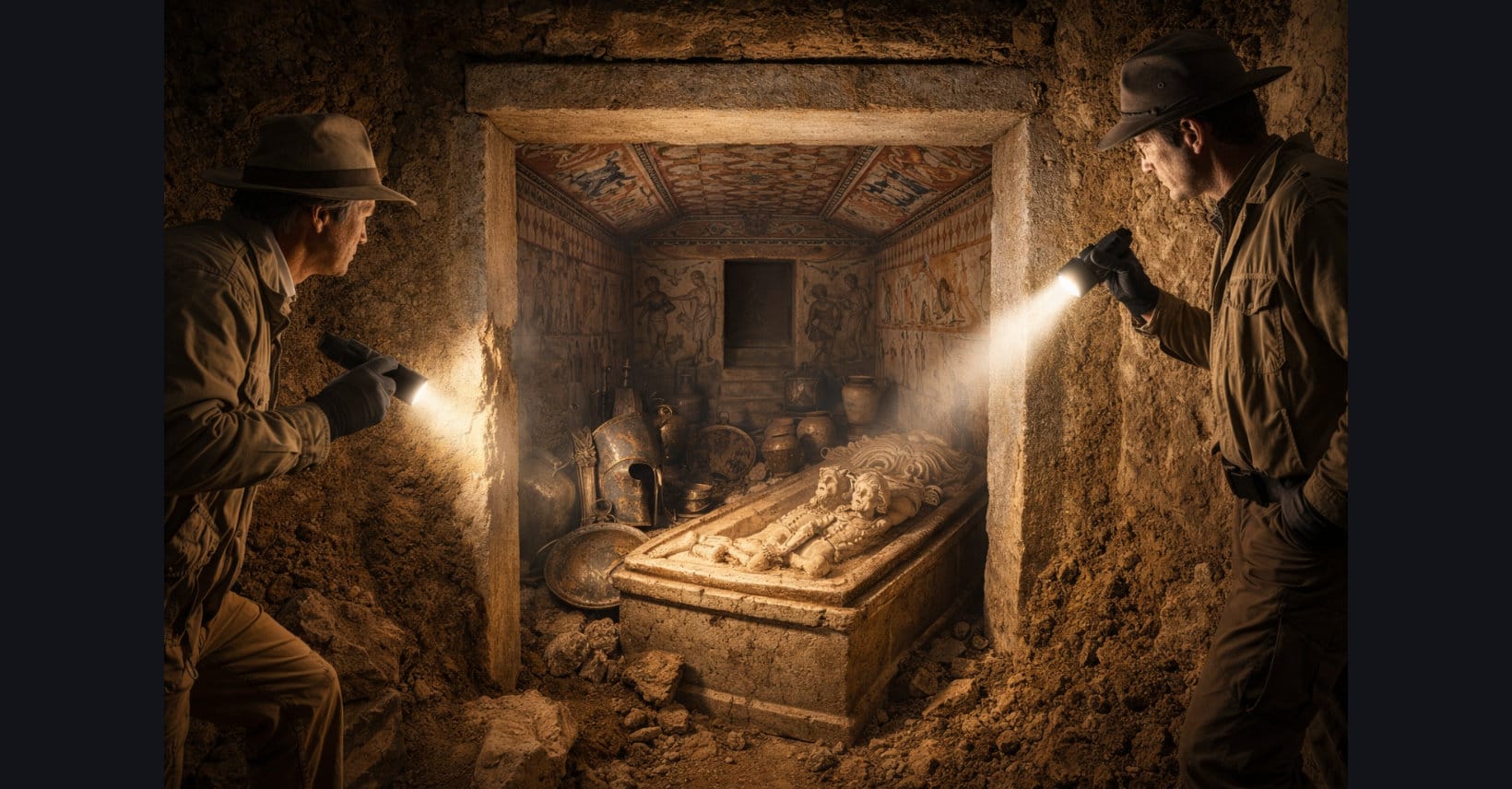
The Sealed Etruscan Tomb: Unearthing a Forgotten Spiritual World
A sealed 7th-century B.C. Etruscan tomb northwest of Rome has revealed four skeletons and more than 100 grave goods, offering a rare, intact look at elite burial customs before Rome’s rise. The discovery highlights the sophistication of Etruscan society and shows how modern archaeology continues to uncover human achievements that fuel both scholarship and speculation.
-
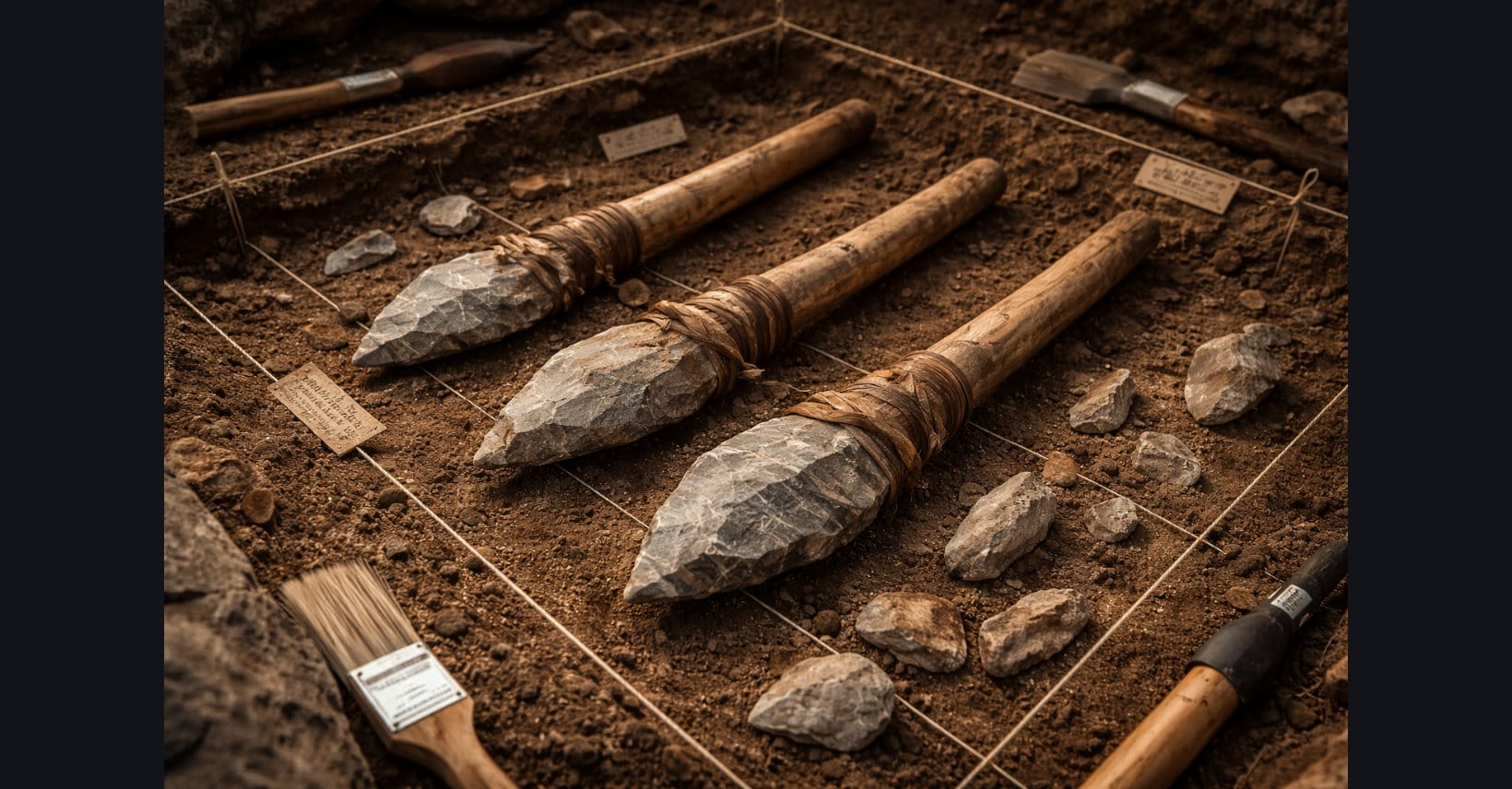
Ancient Hafted Stone Tools: Redefining Technological Expectations
Archaeological research in central China has uncovered hafted stone tools dating back about 160,000 years, pushing back evidence of advanced early technology in the region. The discovery suggests prehistoric people were making more sophisticated, integrated tools than previously thought, challenging simple models of technological progress and highlighting the importance of careful interpretation of ancient evidence.
-
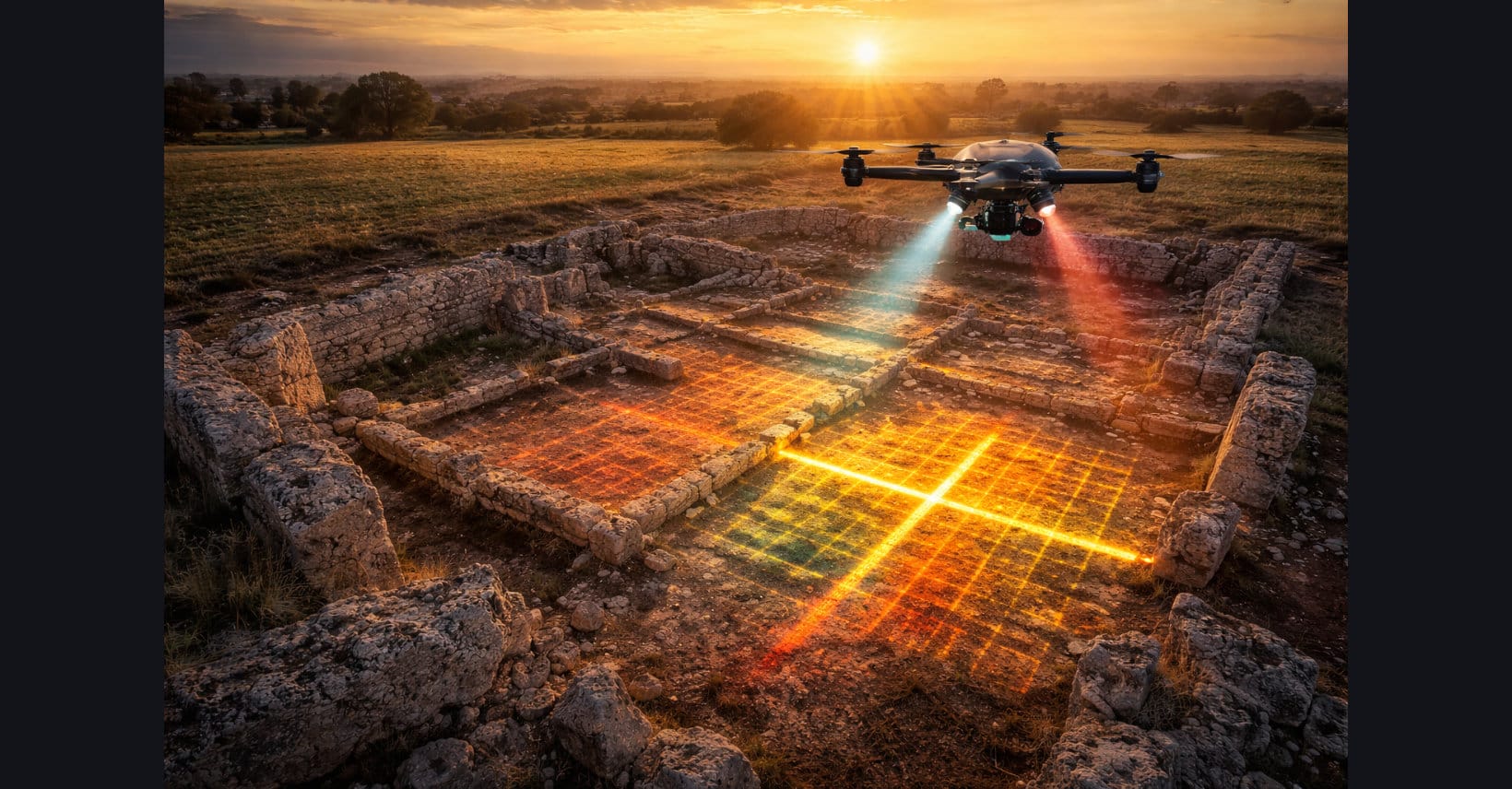
Advanced Drone Mapping Uncovers a Hidden Roman City
Archaeologists in southern Italy have uncovered an unknown ancient Roman city near the Via Appia using drone-based thermal and multispectral imaging. The buried site reveals a grid of streets, forums, and theaters, reshaping ideas about Roman urban planning. The discovery also highlights how advanced sensing technology changes what we can detect and how we interpret…
-

Lost Underwater City Off Western India: A Civilization Forgotten and Its Cosmic Echoes
Recent reports from India’s western shoreline suggest the possible remains of a lost ancient city beneath the Indian Ocean, with stone roads, foundations, and other architectural traces. The discovery could reshape ideas about ancient South Asian urbanism, while also fueling broader questions about submerged civilizations, flood legends, and whether early human societies possessed capabilities still…
-
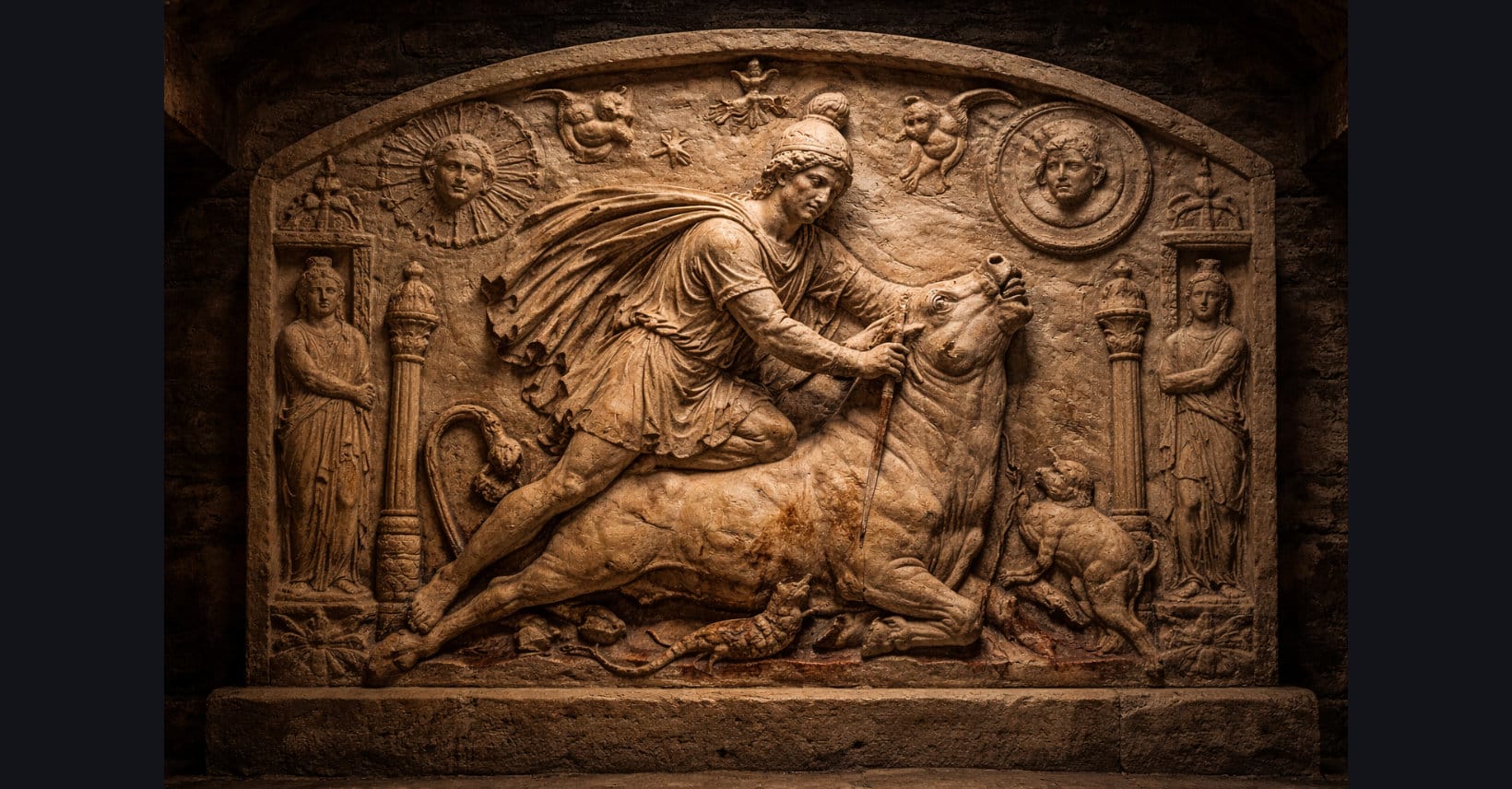
The Hidden Religion Beneath Rome’s Empire
A newly uncovered Roman Mithraeum in Bavaria sheds light on the mystery cult of Mithras, a private religion built around graded initiation, symbolic architecture, and controlled access to knowledge. The discovery highlights how Mithraism spread through Roman military and administrative networks and reveals a broader pattern of layered, compartmentalized understanding within imperial society.
-

Scientists Decode a 4,000-Year-Old Tablet After a Century — Information Outlives Understanding
A 4,000-year-old cuneiform tablet, long unread in a museum collection, has finally been decoded thanks to advances in linguistics, digital archives, and pattern recognition. The inscription reveals ancient economic administration and highlights a larger truth: artifacts can preserve knowledge for centuries before humanity gains the tools to understand them.
-
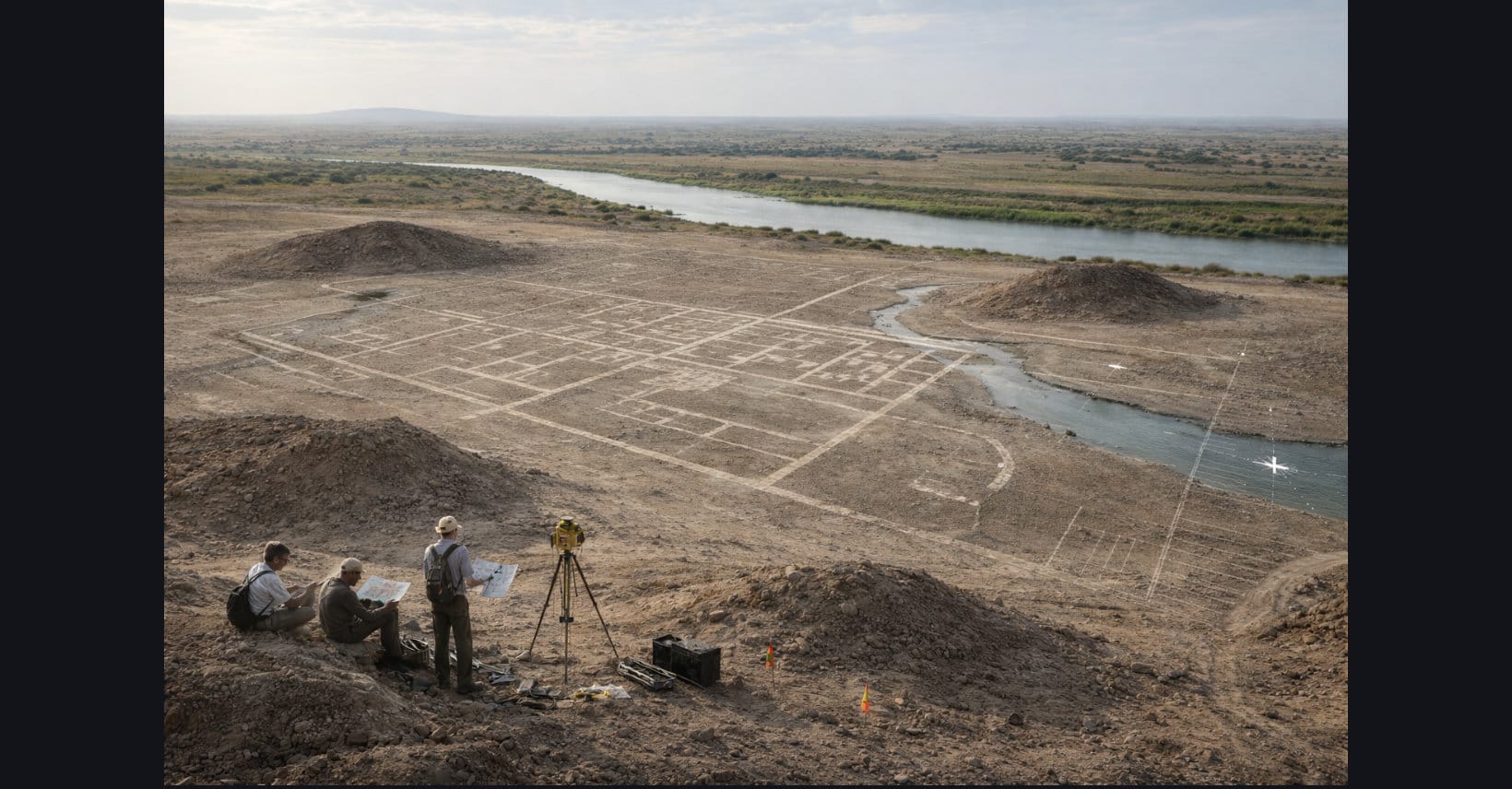
A Forgotten Hellenistic Megacity Re-Emerges From the Desert of Southern Iraq
Archaeologists in southern Iraq are confirming the rediscovery of Alexandria on the Tigris, a long-suspected Hellenistic port city linked to the Seleucid era. Drone surveys, magnetometry, and radar reveal an urban grid, canals, and civic complexes beneath silt and desert, showing how modern imaging can expose buried centers of ancient trade and power.
-
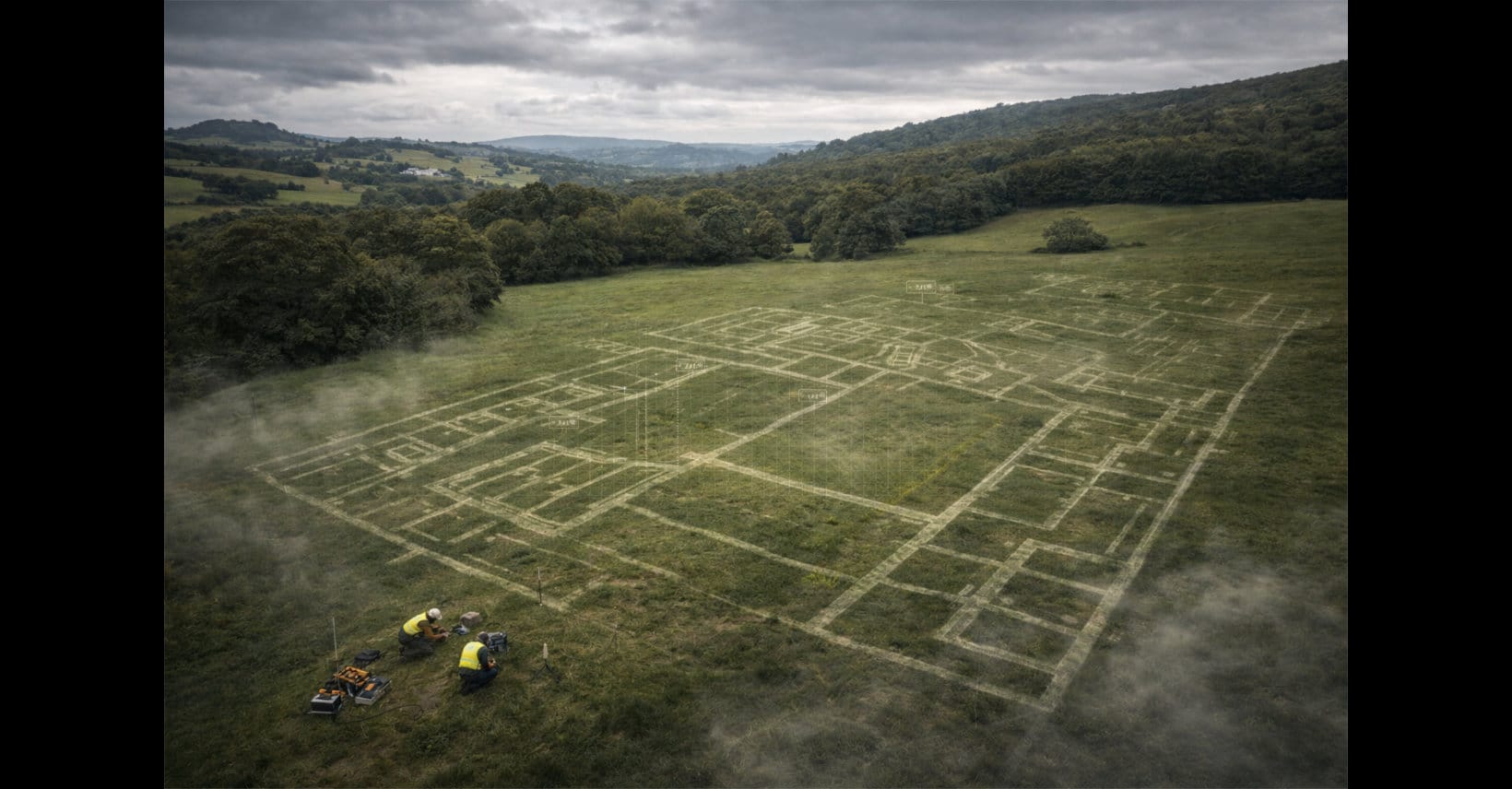
“Port Talbot’s Pompeii”: The Roman Mega-Villa That Makes Britain’s Past Look Edited
Archaeologists at Margam Country Park near Port Talbot, South Wales, have uncovered the footprint of what may be the largest Roman villa complex ever found in Wales. Detected by ground-penetrating radar, the 4th-century site suggests a major agricultural center and points to a more complex, productive Roman presence in Wales than previously assumed.