ancient technology
-

Ancient India: The Devas and the Technology of the Gods… …And the Illusion of Advanced Power
Ancient Indian texts describe vimanas, astras, and celestial beings in ways that can sound technological to modern readers. This excerpt explores whether the Devas were divine, advanced, or spiritual entities, and argues that humanity repeatedly reinterprets extraordinary encounters. It connects Vedic accounts to modern UFO narratives and the need for discernment.
-
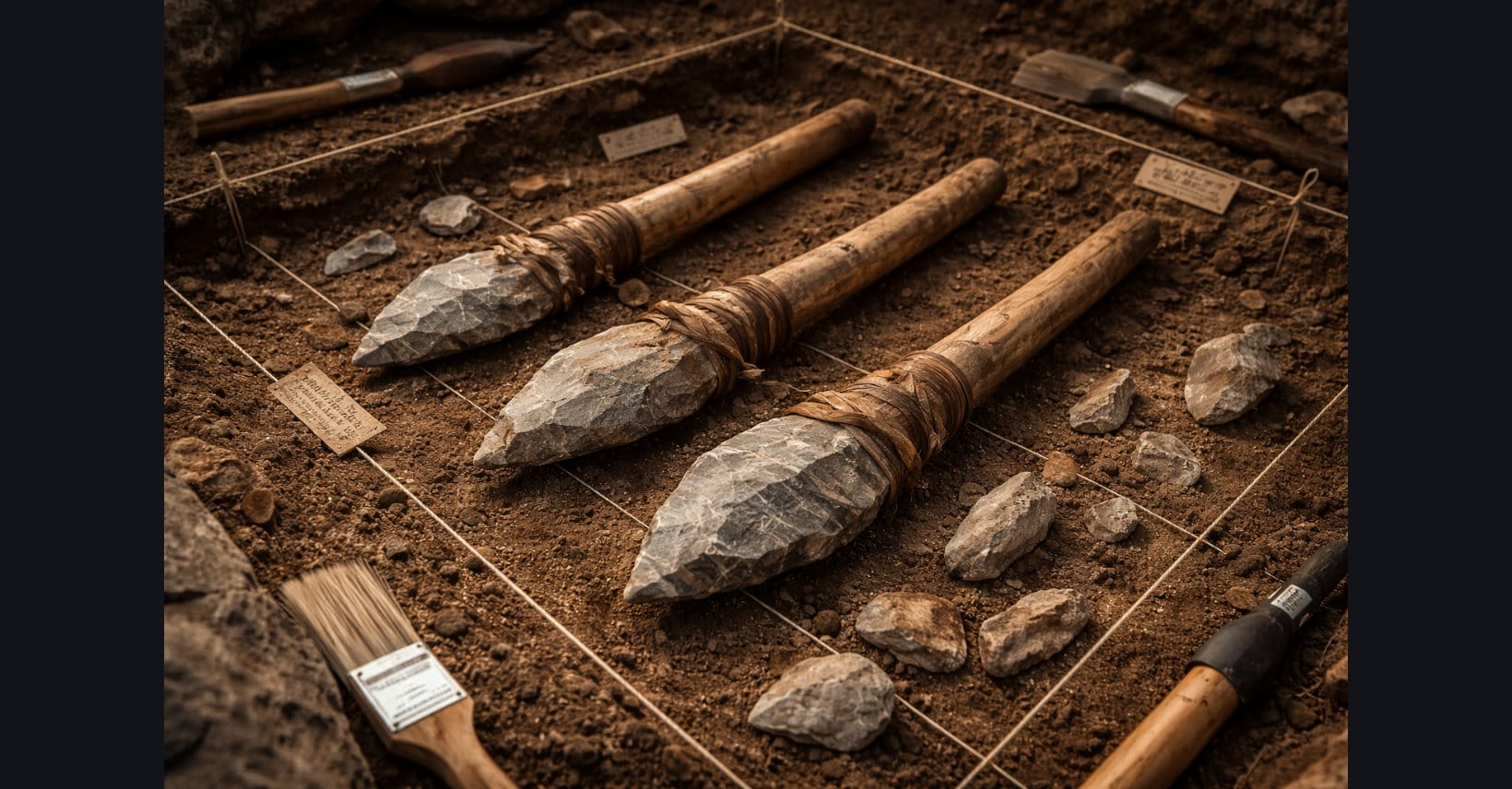
Ancient Hafted Stone Tools: Redefining Technological Expectations
Archaeological research in central China has uncovered hafted stone tools dating back about 160,000 years, pushing back evidence of advanced early technology in the region. The discovery suggests prehistoric people were making more sophisticated, integrated tools than previously thought, challenging simple models of technological progress and highlighting the importance of careful interpretation of ancient evidence.
-

Lost Underwater City Off Western India: A Civilization Forgotten and Its Cosmic Echoes
Recent reports from India’s western shoreline suggest the possible remains of a lost ancient city beneath the Indian Ocean, with stone roads, foundations, and other architectural traces. The discovery could reshape ideas about ancient South Asian urbanism, while also fueling broader questions about submerged civilizations, flood legends, and whether early human societies possessed capabilities still…
-

Scientists Decode a 4,000-Year-Old Tablet After a Century — Information Outlives Understanding
A 4,000-year-old cuneiform tablet, long unread in a museum collection, has finally been decoded thanks to advances in linguistics, digital archives, and pattern recognition. The inscription reveals ancient economic administration and highlights a larger truth: artifacts can preserve knowledge for centuries before humanity gains the tools to understand them.
-
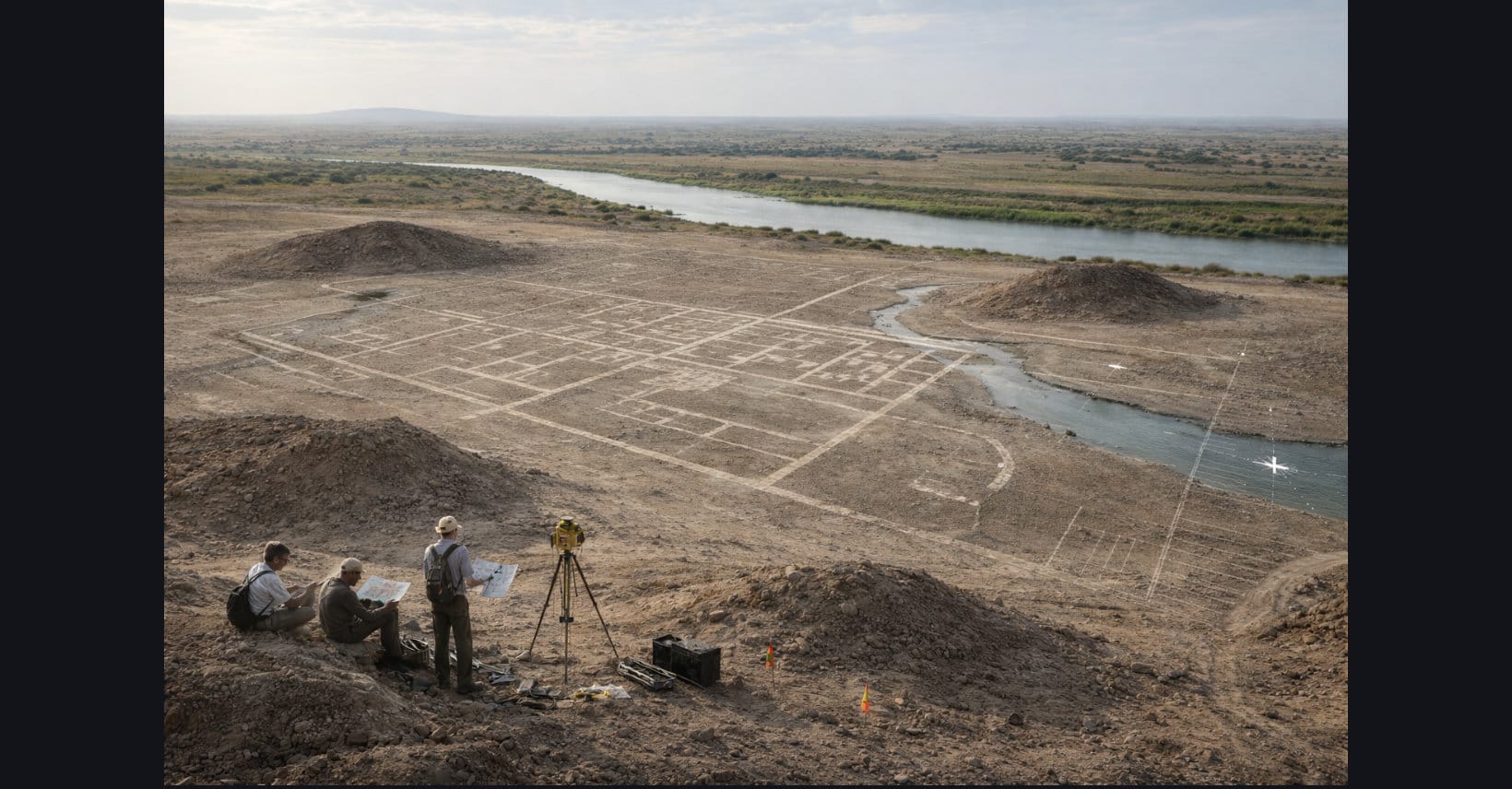
A Forgotten Hellenistic Megacity Re-Emerges From the Desert of Southern Iraq
Archaeologists in southern Iraq are confirming the rediscovery of Alexandria on the Tigris, a long-suspected Hellenistic port city linked to the Seleucid era. Drone surveys, magnetometry, and radar reveal an urban grid, canals, and civic complexes beneath silt and desert, showing how modern imaging can expose buried centers of ancient trade and power.
-
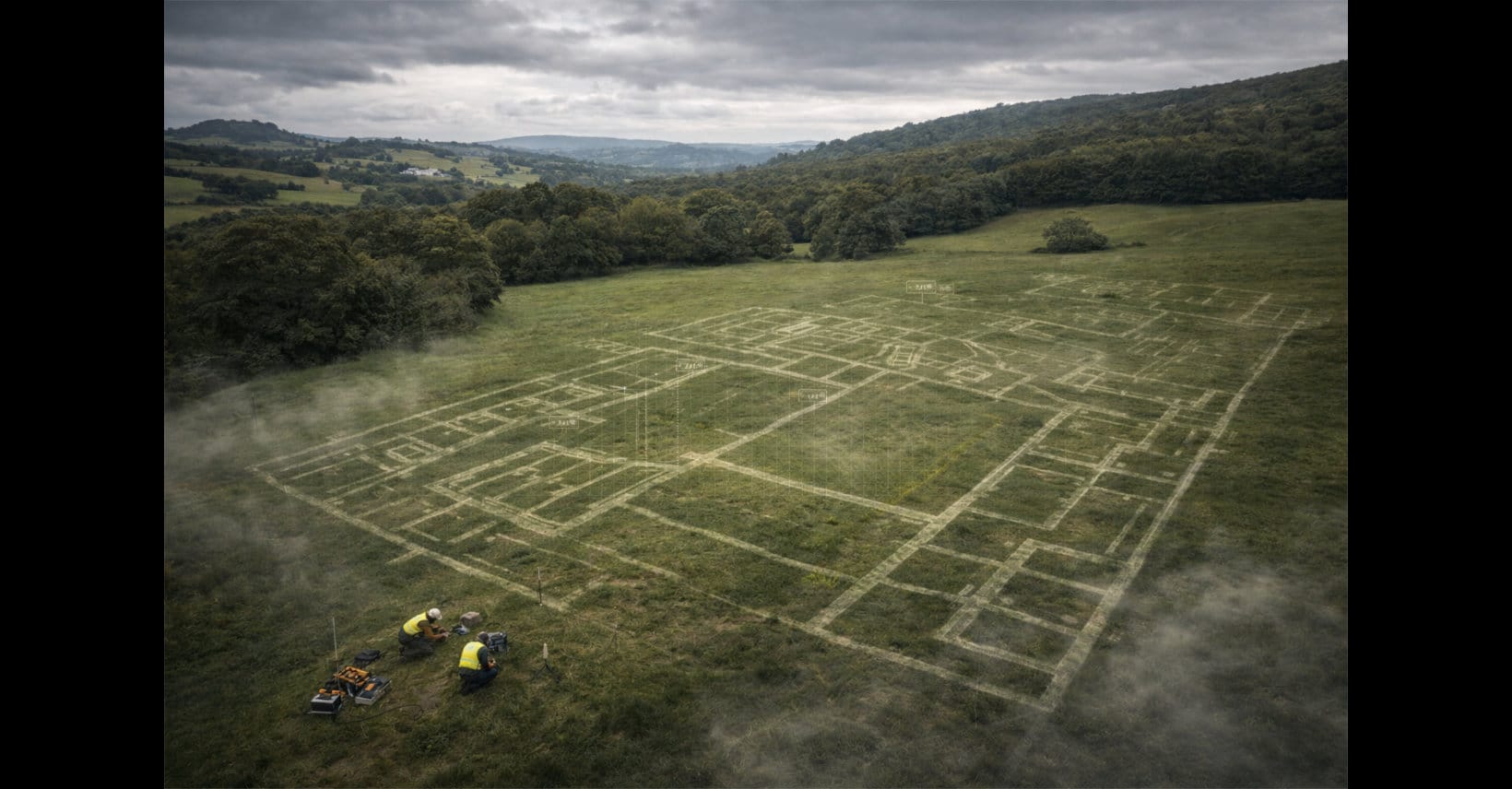
“Port Talbot’s Pompeii”: The Roman Mega-Villa That Makes Britain’s Past Look Edited
Archaeologists at Margam Country Park near Port Talbot, South Wales, have uncovered the footprint of what may be the largest Roman villa complex ever found in Wales. Detected by ground-penetrating radar, the 4th-century site suggests a major agricultural center and points to a more complex, productive Roman presence in Wales than previously assumed.
-

“Dragon Stones” of Armenia: 8,000-Year-Old Monoliths That Look Like a Warning Marker
New research suggests Armenia’s vishaps, or “dragon stones,” may date back 8,000 years and were often placed near springs and streams on Mount Aragats. Carved with fish and other animal figures, these monoliths may have marked water resources, territory, and ritual meaning, hinting at an ancient system where practical survival and symbolism were deeply linked.