ancient engineering
-

Ancient Gold Tomb and the Power of Forgotten Civilizations
Archaeologists at Panama’s El Caño site uncovered Tomb 3, an elite burial from the 8th–11th centuries AD filled with gold ornaments, ceremonial objects, and decorated ceramics from the Gran Coclé culture. The discovery highlights the sophistication of ancient Central American metallurgy and social hierarchy while also inspiring speculation about lost technologies and extraterrestrial influence.
-
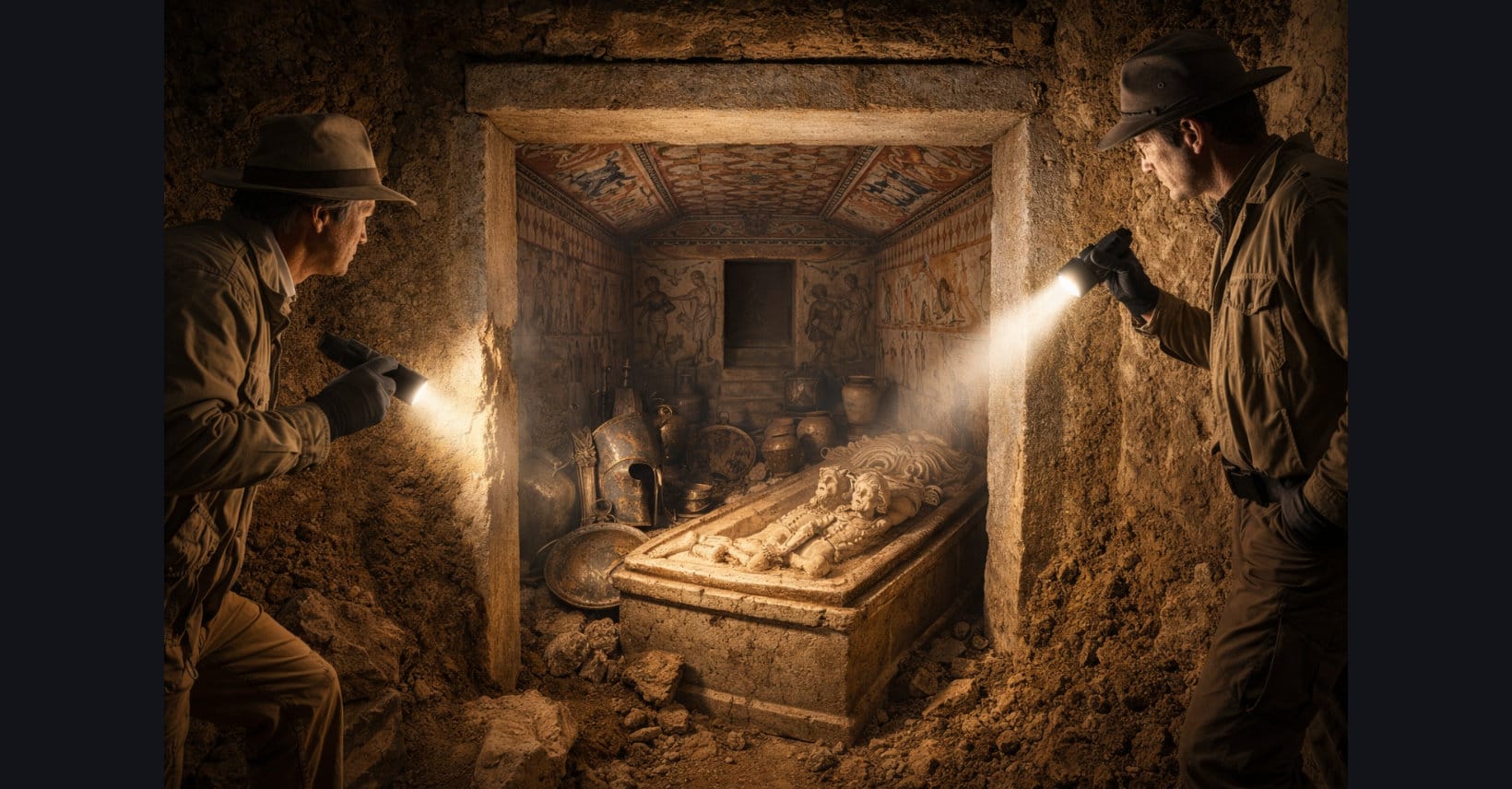
The Sealed Etruscan Tomb: Unearthing a Forgotten Spiritual World
A sealed 7th-century B.C. Etruscan tomb northwest of Rome has revealed four skeletons and more than 100 grave goods, offering a rare, intact look at elite burial customs before Rome’s rise. The discovery highlights the sophistication of Etruscan society and shows how modern archaeology continues to uncover human achievements that fuel both scholarship and speculation.
-
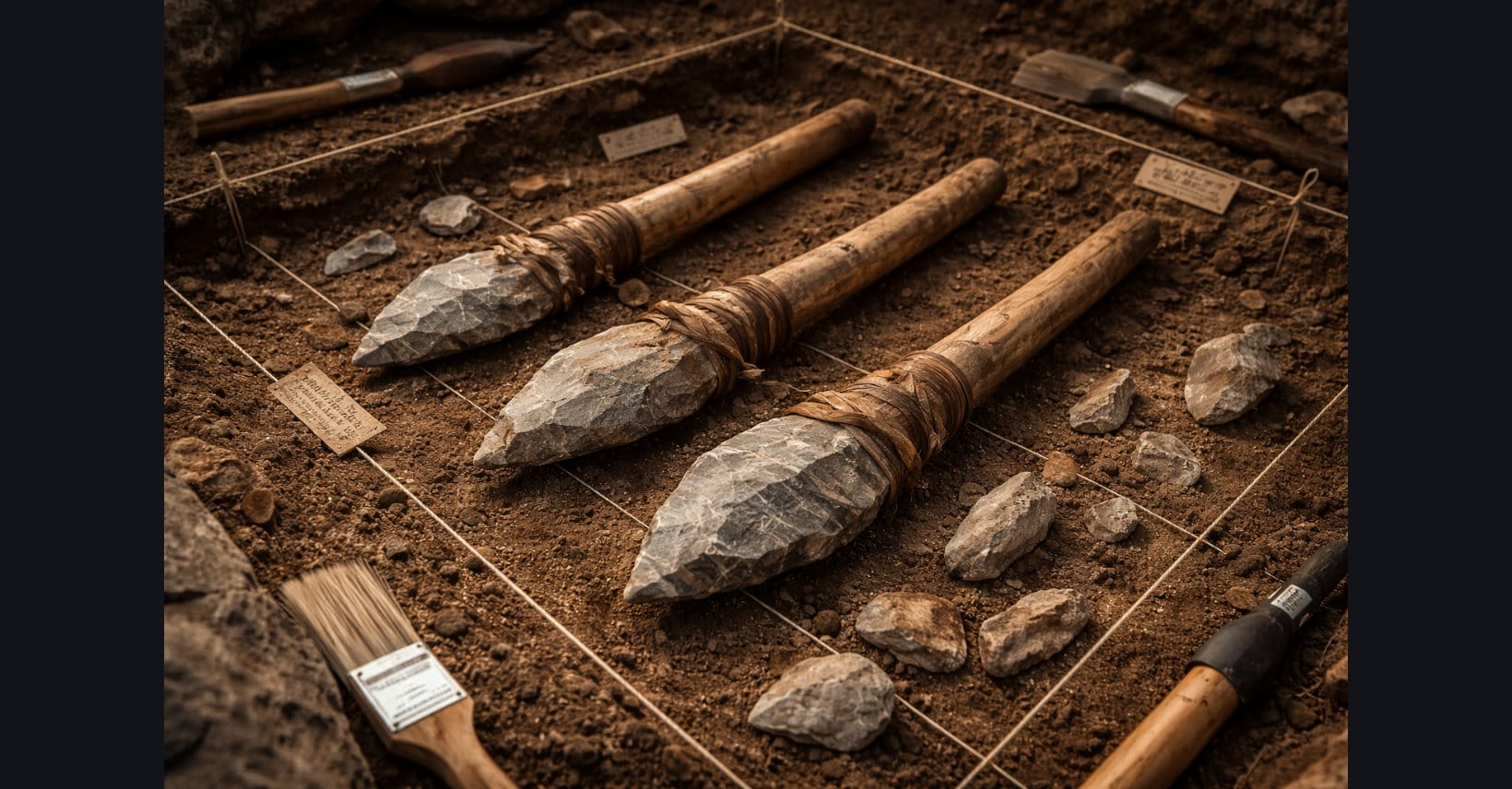
Ancient Hafted Stone Tools: Redefining Technological Expectations
Archaeological research in central China has uncovered hafted stone tools dating back about 160,000 years, pushing back evidence of advanced early technology in the region. The discovery suggests prehistoric people were making more sophisticated, integrated tools than previously thought, challenging simple models of technological progress and highlighting the importance of careful interpretation of ancient evidence.
-

Advanced Drone Mapping Uncovers a Hidden Roman City
Archaeologists in southern Italy have uncovered an unknown ancient Roman city near the Via Appia using drone-based thermal and multispectral imaging. The buried site reveals a grid of streets, forums, and theaters, reshaping ideas about Roman urban planning. The discovery also highlights how advanced sensing technology changes what we can detect and how we interpret…
-

Malta’s Megalithic Enigma: Ancient Stone Temples and the Shadow of Lost Knowledge
Malta’s megalithic temples, including Ħaġar Qim, Mnajdra, Tarxien, and Ġgantija, are among the oldest free-standing stone structures on Earth, dating to 3600–2500 BC. This article explores their architectural sophistication, possible celestial alignments, and the debate between mainstream archaeology and alternative theories about lost prehistoric knowledge hidden in the stones.
-

Lost Underwater City Off Western India: A Civilization Forgotten and Its Cosmic Echoes
Recent reports from India’s western shoreline suggest the possible remains of a lost ancient city beneath the Indian Ocean, with stone roads, foundations, and other architectural traces. The discovery could reshape ideas about ancient South Asian urbanism, while also fueling broader questions about submerged civilizations, flood legends, and whether early human societies possessed capabilities still…
-

A 6,300-Year-Old Stone Monument Complex in France Rewrites Ritual Prehistory
Archaeologists in Brittany, western France, have uncovered a 6,300-year-old Neolithic stone complex with monumental standing stones, aligned slabs, and ceremonial features. Radiocarbon dating suggests organized ritual architecture in Western Europe began far earlier than once thought, challenging assumptions about early human society, symbolic belief, and the origins of megalithic construction.
-
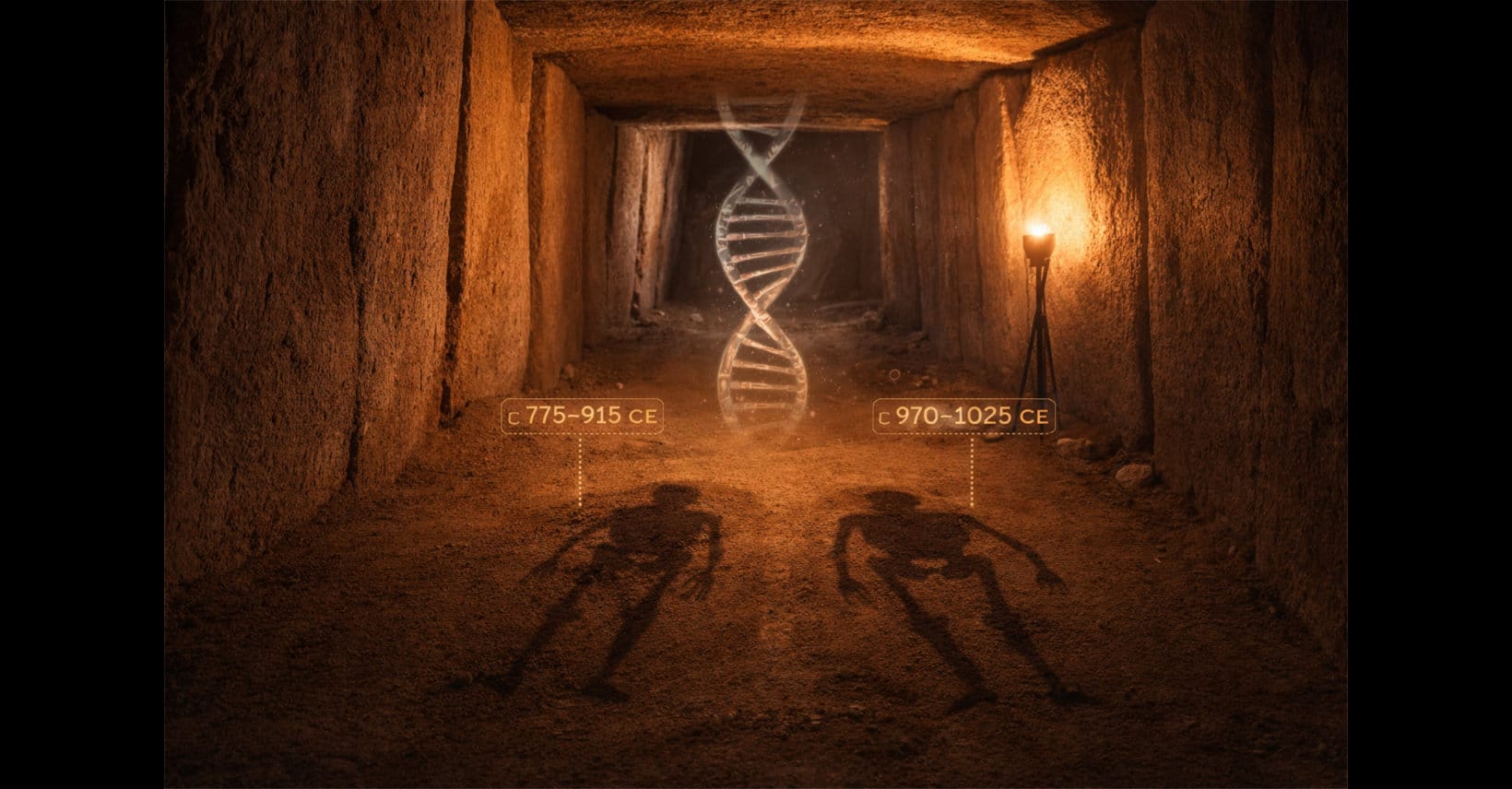
Menga Dolmen’s Medieval Burials: A Megalith That Refused to Become a Ruin
A new analysis of the Menga Dolmen in Andalusia reveals that two men were buried there between the 8th and 11th centuries CE, showing the Neolithic monument remained ritually active long after its construction. Radiocarbon dating and degraded DNA indicate later communities deliberately reused the site, aligning the face-down burials with the dolmen’s axis.