Latest Articles
-
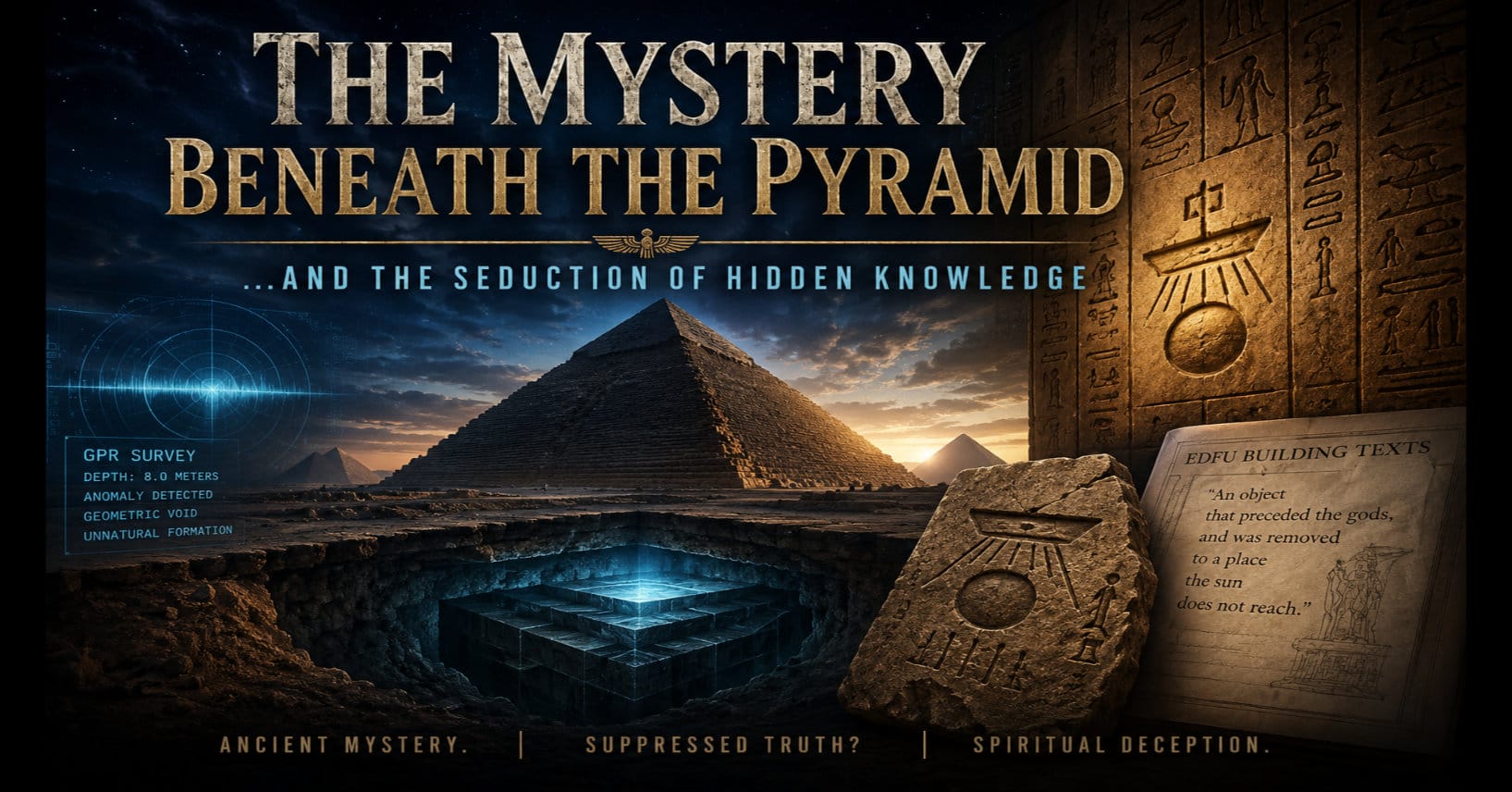
The Mystery Beneath the Pyramid …And the Seduction of Hidden Knowledge
Claims of hidden chambers beneath the pyramids, mysterious Egyptian symbols, and lost ancient technology continue to spread across the internet. But beneath these intriguing stories lies a deeper question: why is modern culture increasingly drawn to the promise of secret knowledge? This article examines the spiritual implications of alternative archaeology and the enduring temptation that…
-
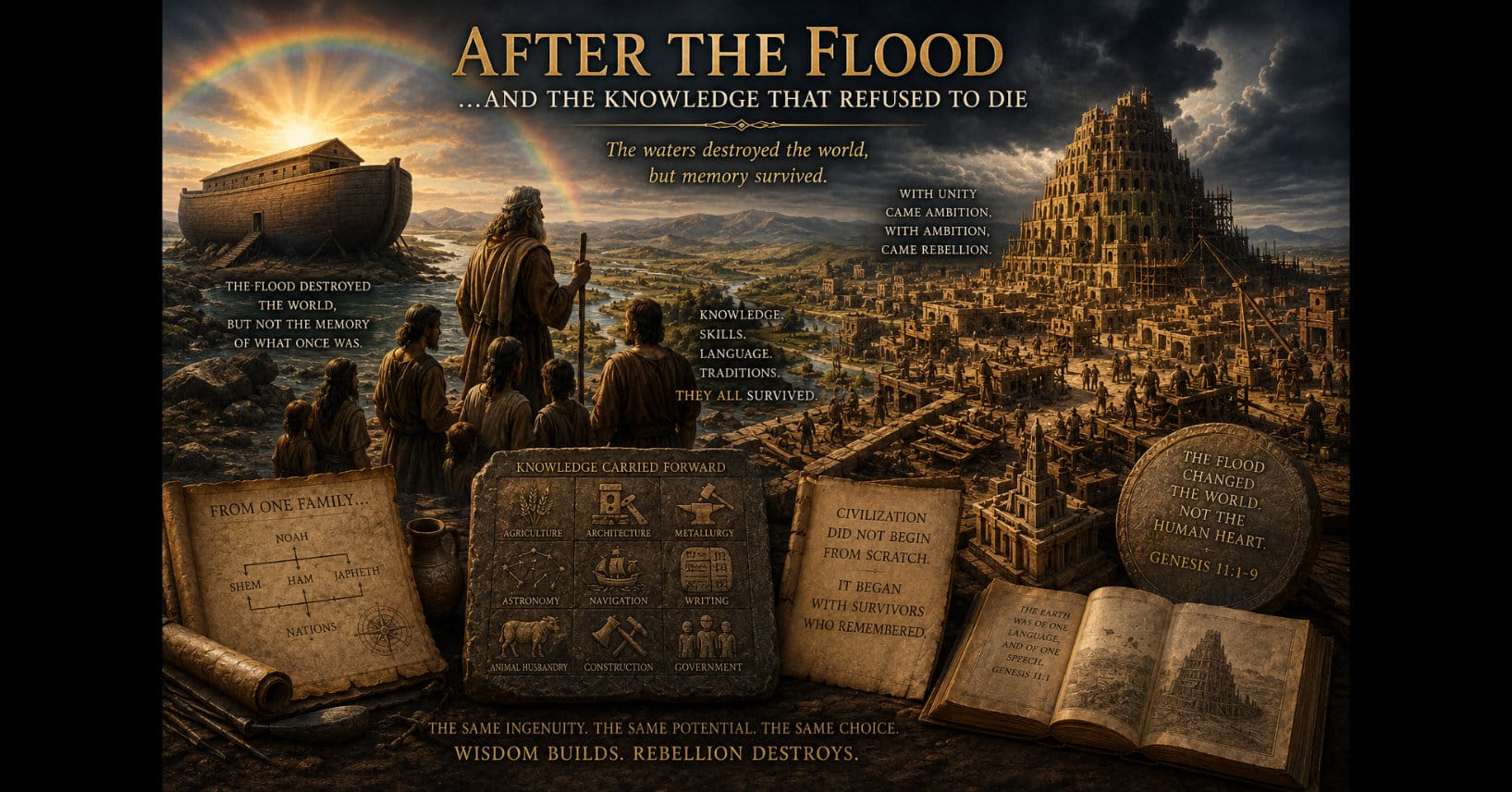
After the Flood …And the Knowledge That Refused to Die
The Flood destroyed the world that existed before Noah, but it did not erase memory. This article explores how knowledge may have survived through Noah’s family, shaping the rapid rise of post-Flood civilization and culminating in the rebellion at Babel.
-
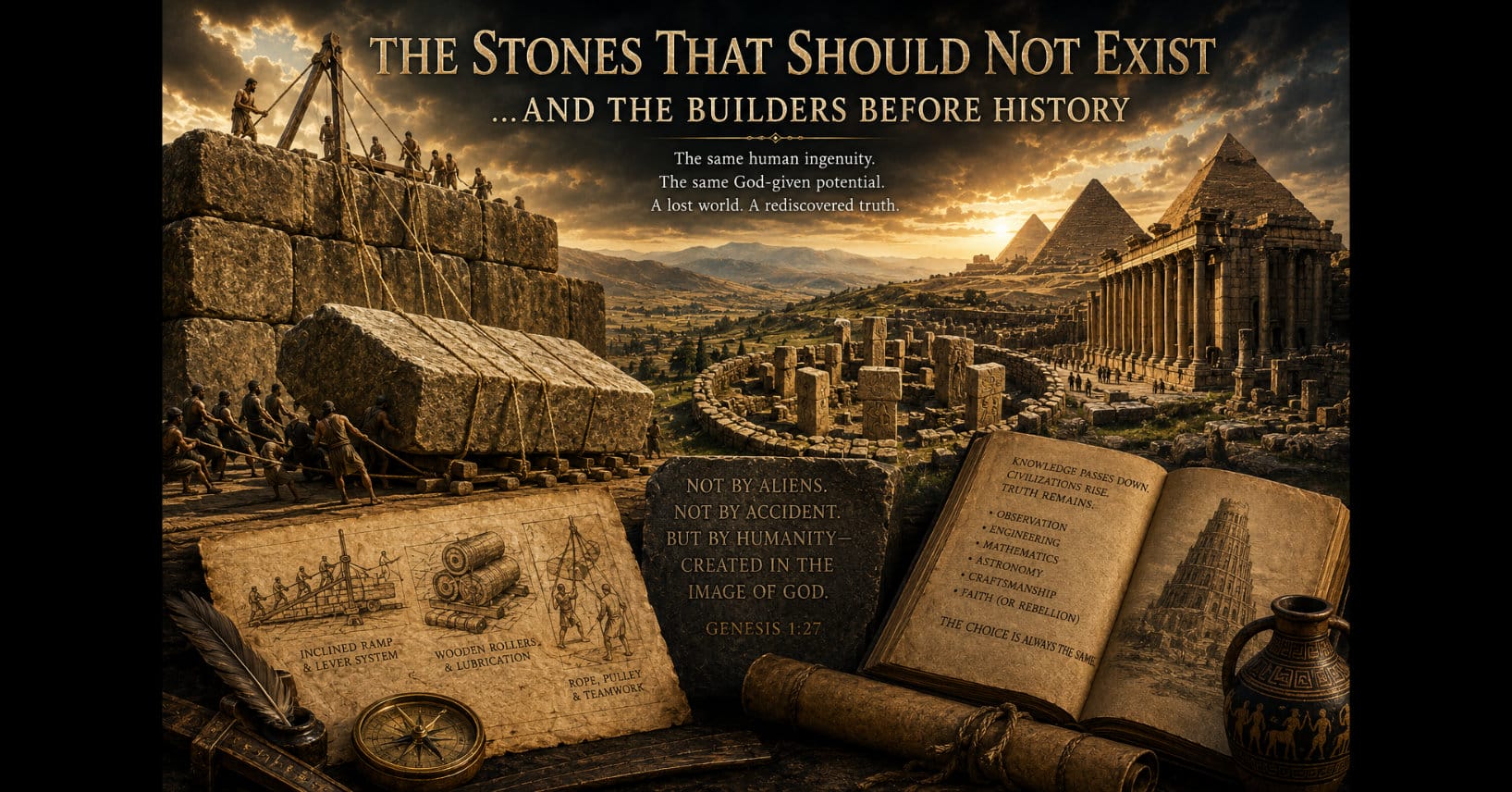
The Stones That Should Not Exist …And the Builders Before History
Massive stone structures around the world continue to challenge modern assumptions about ancient civilizations. Were these monuments the work of extraterrestrials, or do they reveal capabilities humanity has largely forgotten? This article examines the mystery of megalithic construction through a biblical worldview.
-
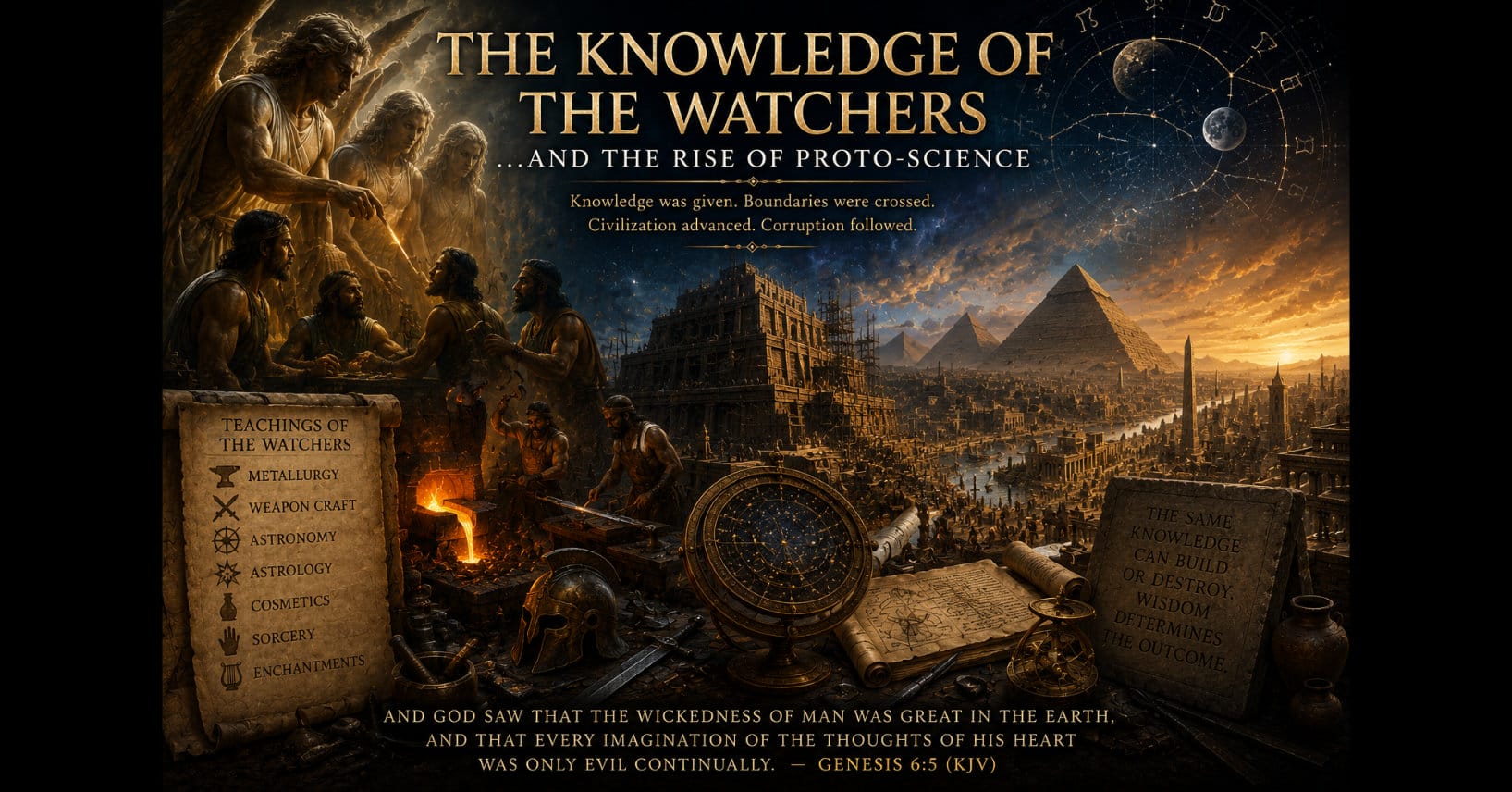
The Knowledge of the Watchers …And the Rise of Proto-Science
Ancient traditions claim that powerful knowledge was given to humanity before the Flood. From metallurgy and astronomy to the foundations of civilization, these accounts raise important questions about the relationship between knowledge, wisdom, and spiritual rebellion.
-
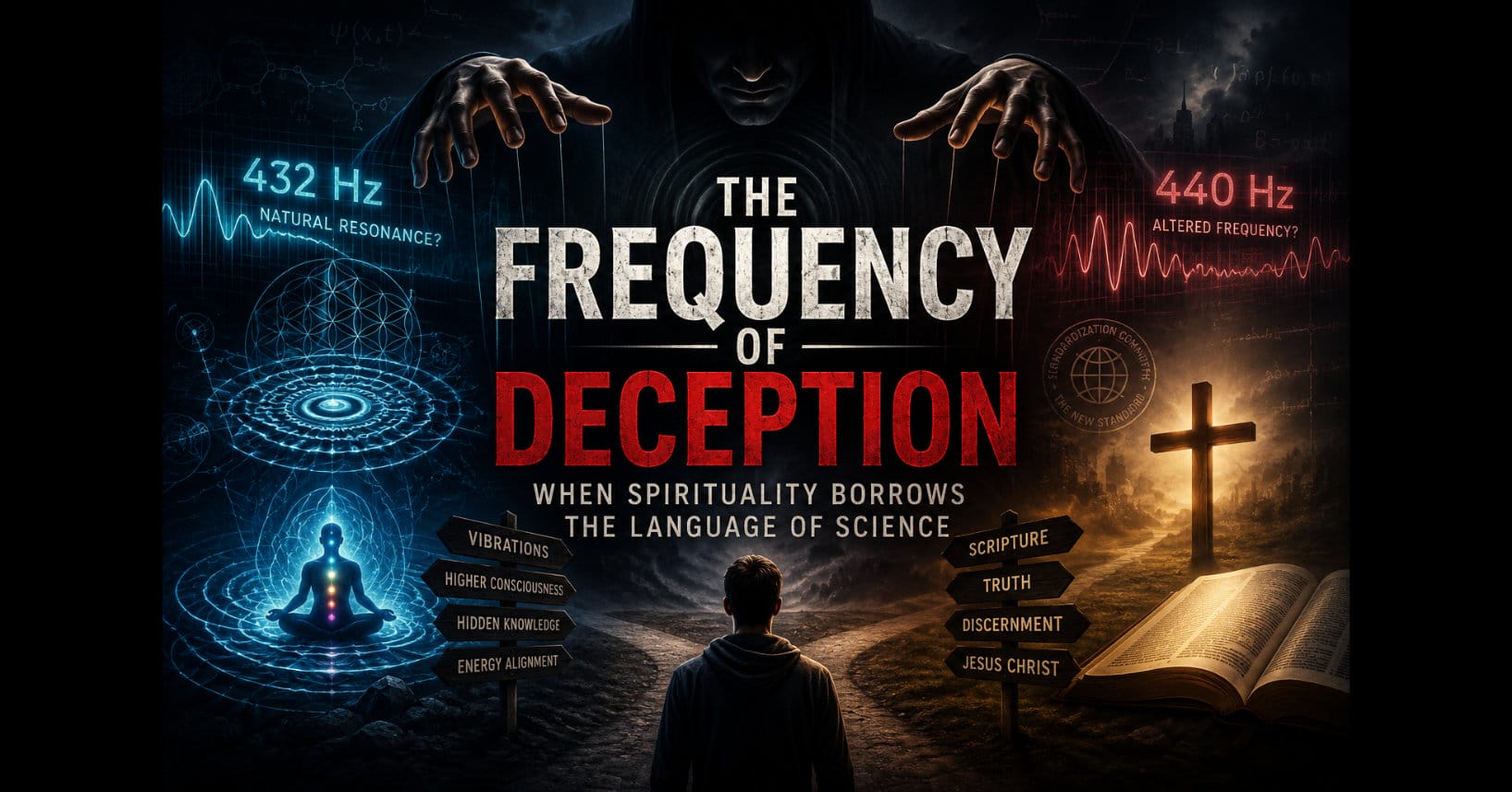
The Frequency of Deception: When Spirituality Borrows the Language of Science
The growing fascination with frequencies, vibrations, and consciousness reveals more than a cultural trend. It exposes humanity’s enduring attraction to hidden knowledge. From 432 Hz claims to modern spiritual awakening movements, biblical discernment remains essential in separating scientific observation from spiritual deception.
Follow the Signal
Subscribe to receive each new TADC article by email with a short excerpt and a direct link to read the full post on the site.