supernatural encounters
-
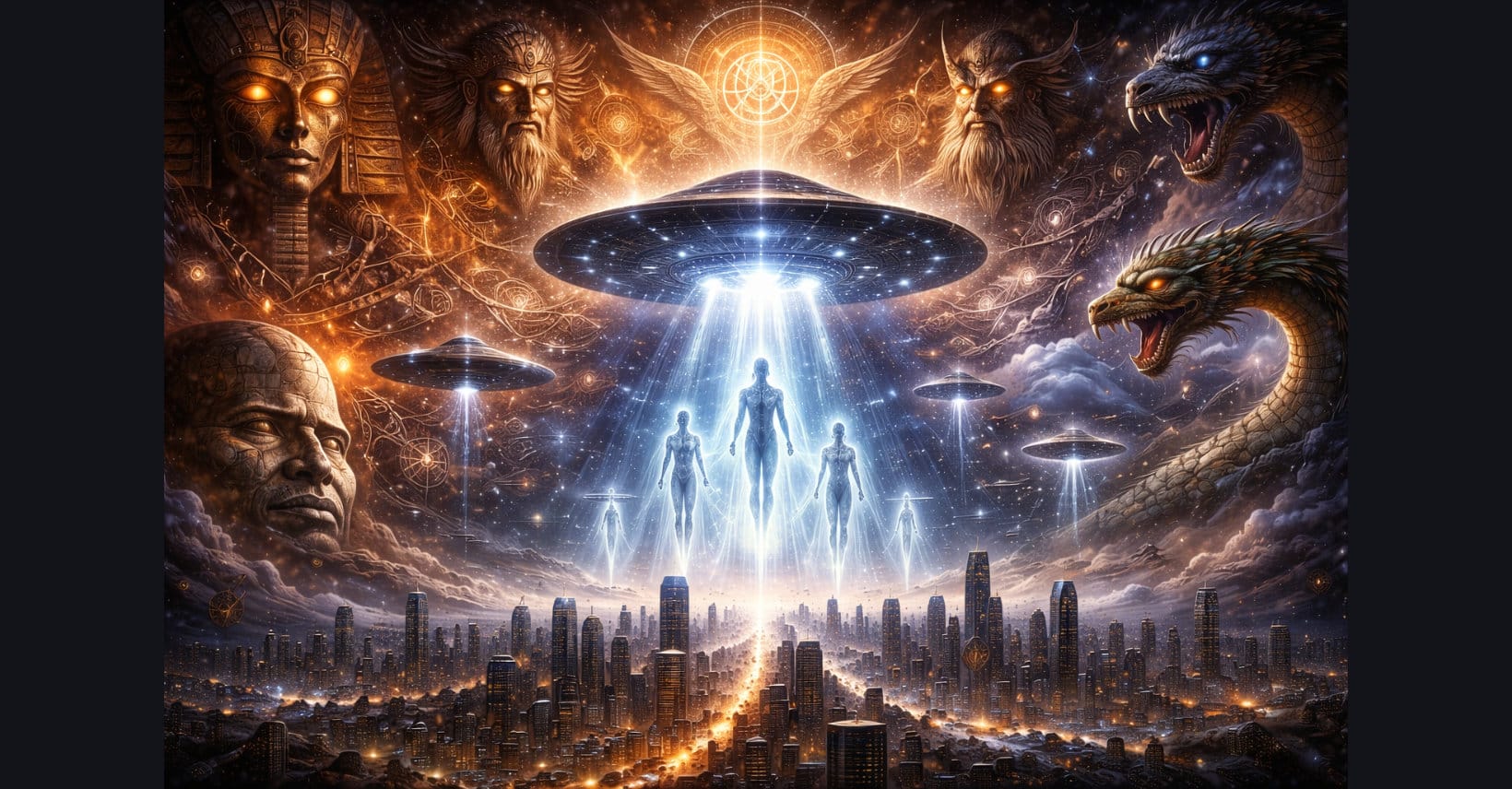
The Convergence: One Story, Many Names… …And the Coming Interpretation
Across ancient civilizations and modern discourse, a recurring pattern emerges of non-human beings, divine or extraterrestrial, interacting with humanity, sharing knowledge, and shaping civilization. The piece argues that today’s UFO and alien frameworks may simply reframe older myths, and warns that convincing deception could influence how future extraordinary events are understood.
-
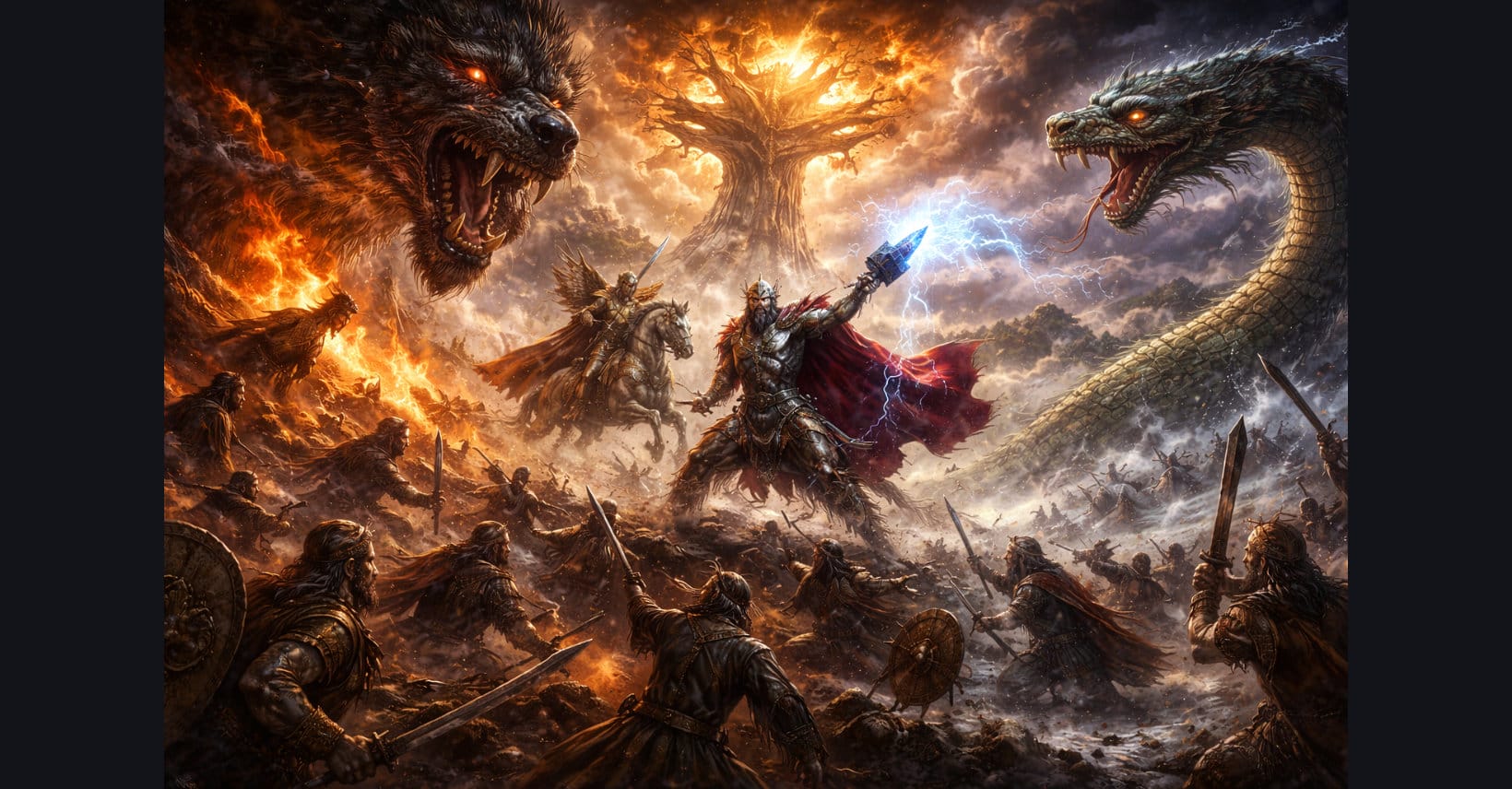
Norse Traditions: The Final Battle… …And the Narrative of Inevitable Cataclysm
Exploring the Norse vision of Ragnarök, this piece examines a worldview shaped by the certainty of an unavoidable end, where chaos and collapse are expected rather than resisted. It contrasts that tradition with biblical end-times language, asking how crisis narratives shape human response, authority, and discernment when upheaval redefines power.
-
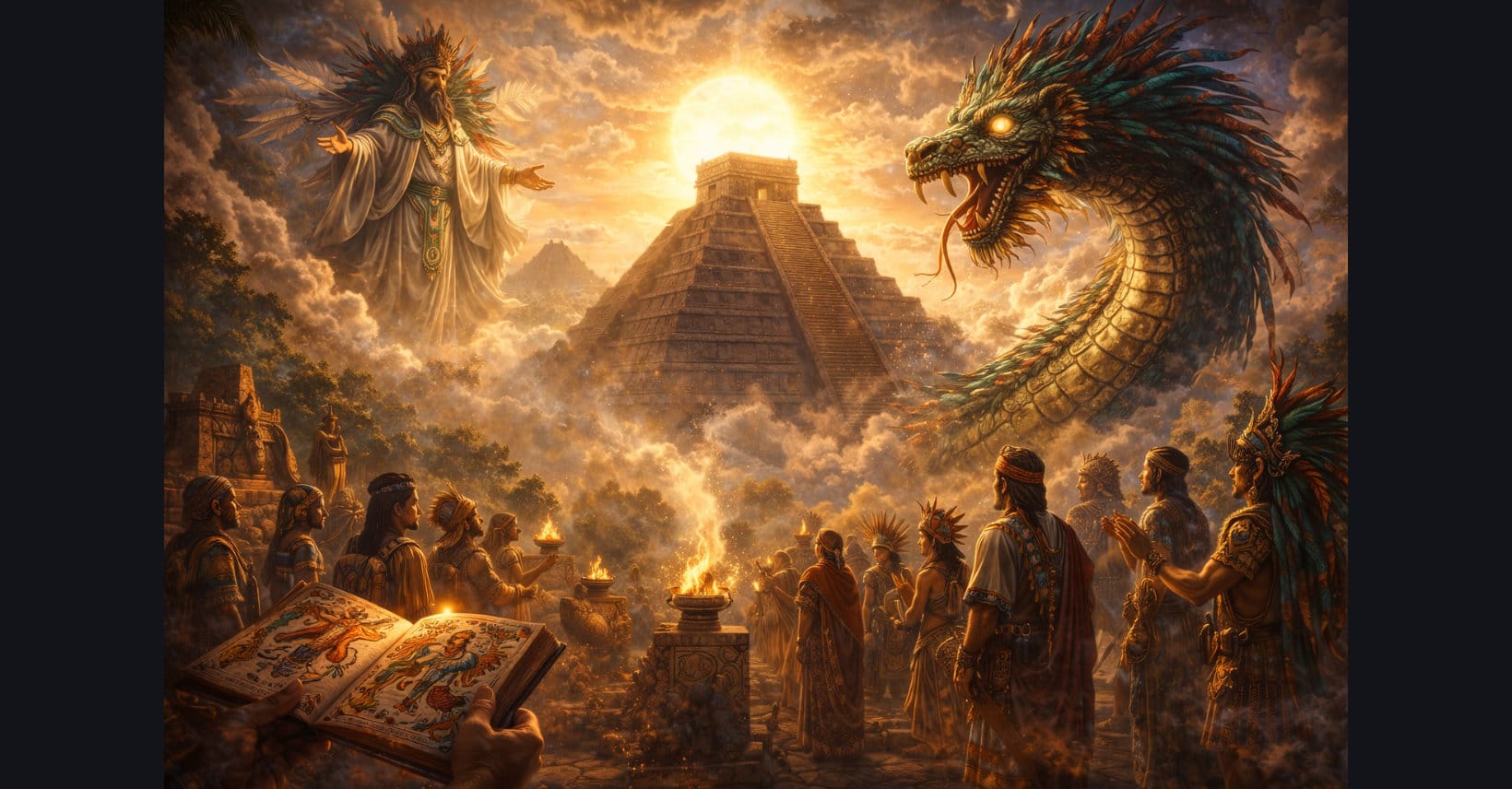
Mesoamerican Civilizations: The Returning Gods… …And the Expectation of Arrival
Mesoamerican traditions like those surrounding Quetzalcoatl reflect a powerful pattern of departure and expected return, shaping how future events are interpreted. This excerpt explores how preloaded belief can influence perception, drawing parallels to modern expectations of advanced beings and warning that expectation can override discernment when extraordinary claims appear to fulfill long-held narratives.
-
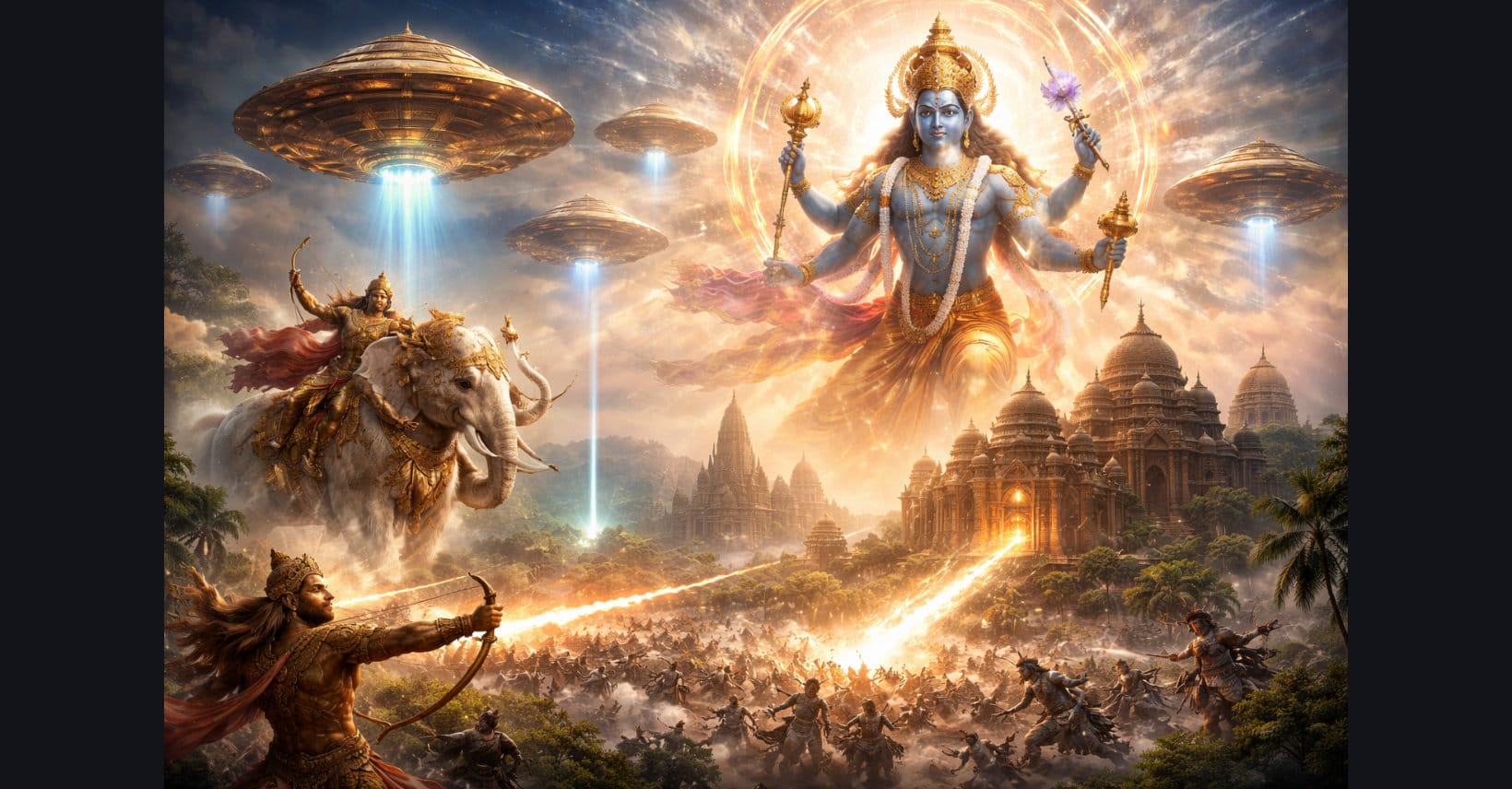
Ancient India: The Devas and the Technology of the Gods… …And the Illusion of Advanced Power
Ancient Indian texts describe vimanas, astras, and celestial beings in ways that can sound technological to modern readers. This excerpt explores whether the Devas were divine, advanced, or spiritual entities, and argues that humanity repeatedly reinterprets extraordinary encounters. It connects Vedic accounts to modern UFO narratives and the need for discernment.
-
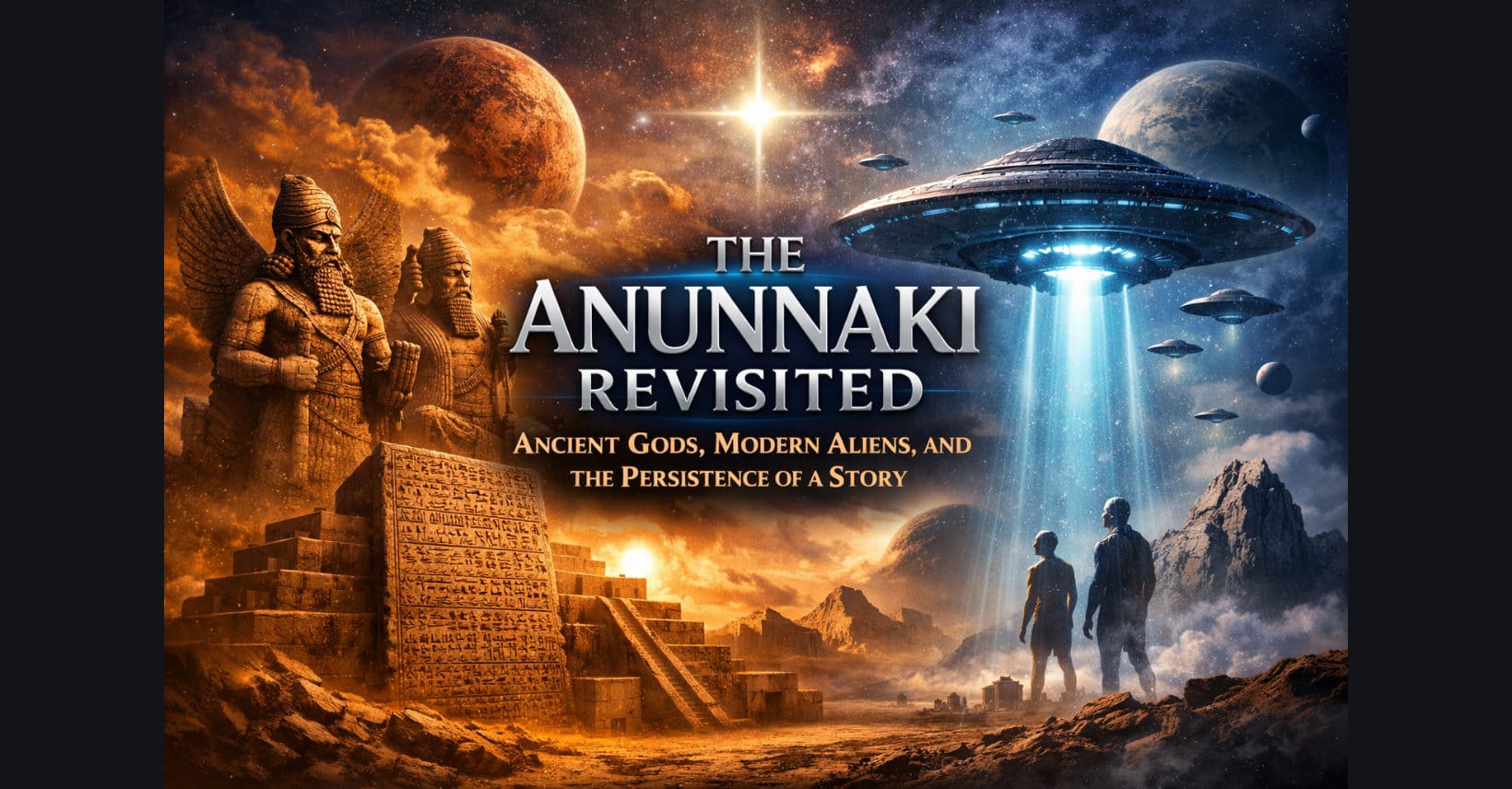
The Anunnaki Revisited: Ancient Gods, Modern Aliens, and the Persistence of a Story
This article examines the enduring Anunnaki myth, tracing it from ancient Mesopotamian gods to modern claims of alien creators and genetic engineers. It argues that the shift from gods to extraterrestrials reflects changing cultural assumptions, and warns that such narratives can reshape beliefs about human origins, identity, and biblical truth.