buried history
-
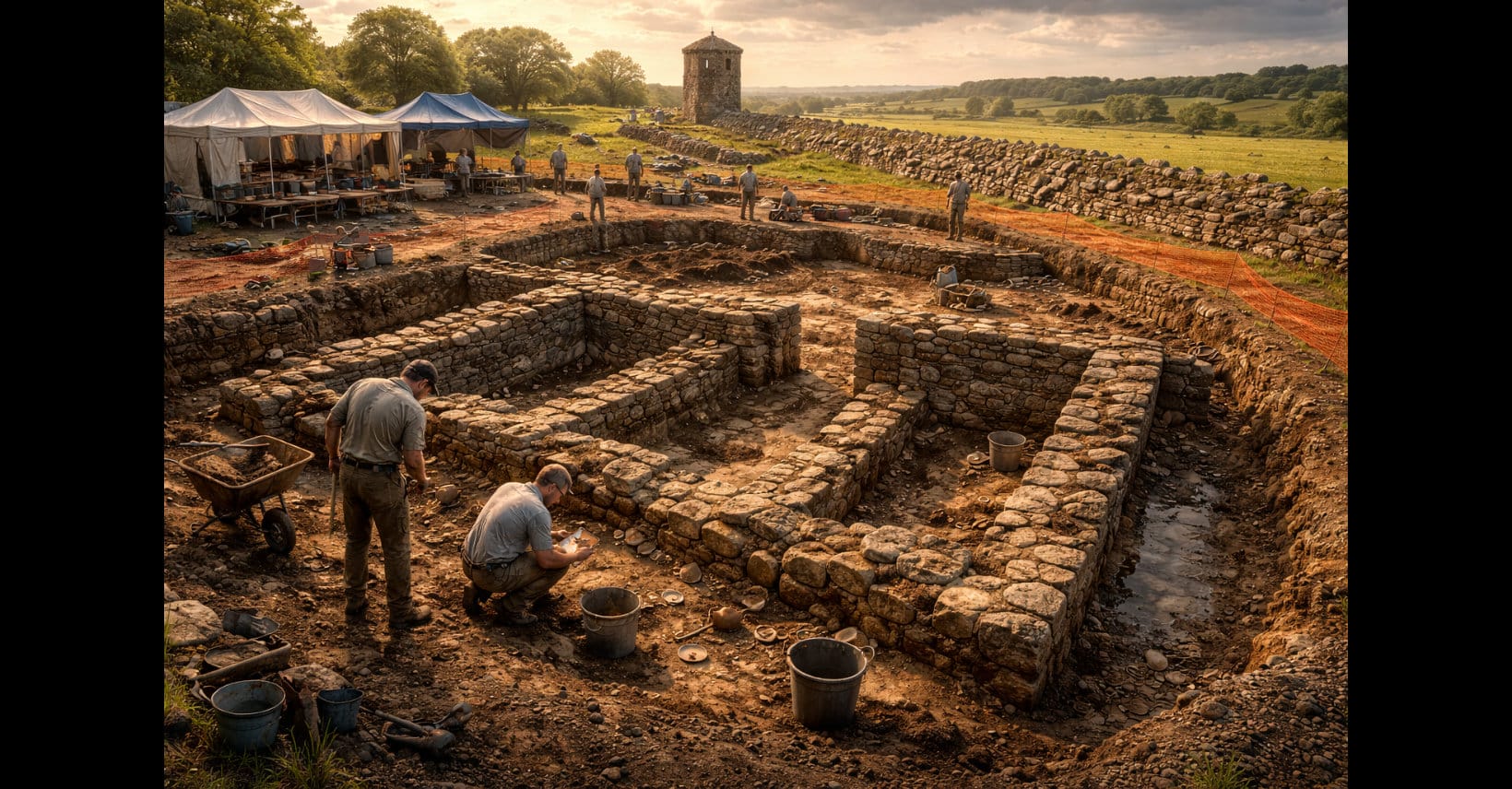
Newly Identified Roman Fortlet Reveals the Hidden Infrastructure of an Empire
Archaeologists in Scotland have uncovered a previously unknown Roman fortlet beneath residential gardens along the Antonine Wall, revealing stone foundations, a defensive rampart and ditch, and Roman pottery. The find highlights the strategic role of small frontier outposts in the empire’s northernmost boundary and underscores the remarkable engineering and organization of ancient Roman infrastructure.
-
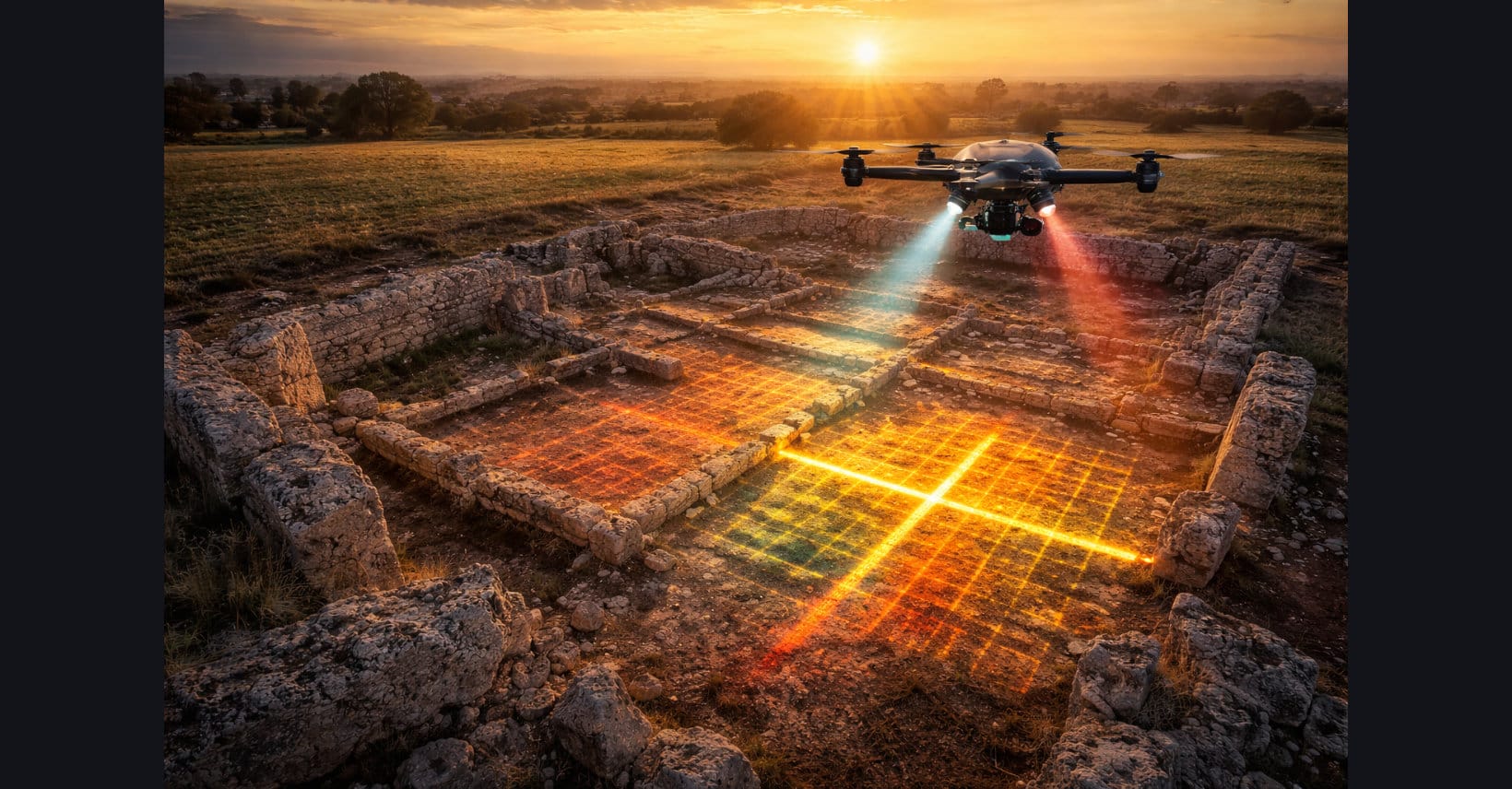
Advanced Drone Mapping Uncovers a Hidden Roman City
Archaeologists in southern Italy have uncovered an unknown ancient Roman city near the Via Appia using drone-based thermal and multispectral imaging. The buried site reveals a grid of streets, forums, and theaters, reshaping ideas about Roman urban planning. The discovery also highlights how advanced sensing technology changes what we can detect and how we interpret…
-

Scientists Decode a 4,000-Year-Old Tablet After a Century — Information Outlives Understanding
A 4,000-year-old cuneiform tablet, long unread in a museum collection, has finally been decoded thanks to advances in linguistics, digital archives, and pattern recognition. The inscription reveals ancient economic administration and highlights a larger truth: artifacts can preserve knowledge for centuries before humanity gains the tools to understand them.
-
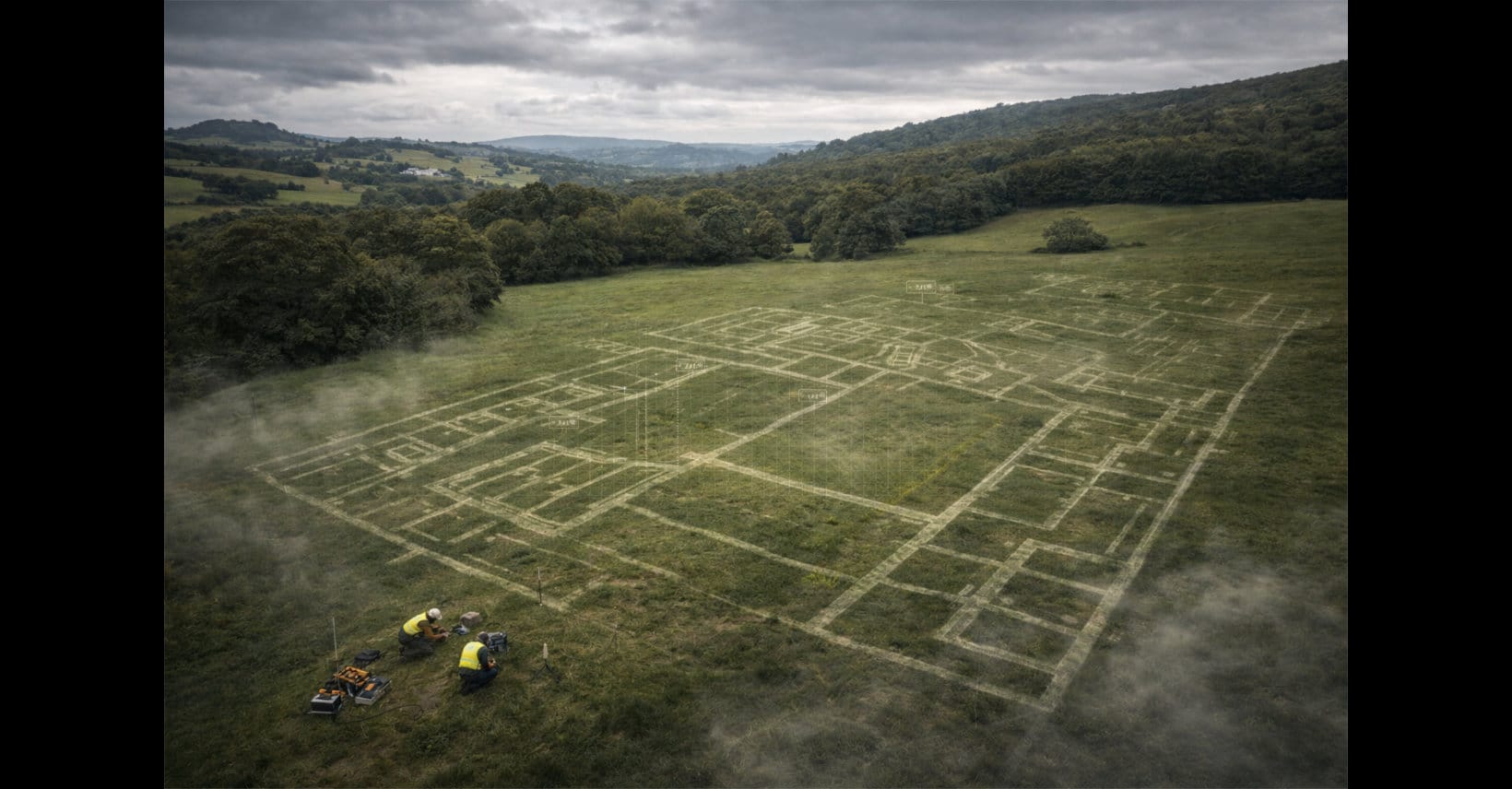
“Port Talbot’s Pompeii”: The Roman Mega-Villa That Makes Britain’s Past Look Edited
Archaeologists at Margam Country Park near Port Talbot, South Wales, have uncovered the footprint of what may be the largest Roman villa complex ever found in Wales. Detected by ground-penetrating radar, the 4th-century site suggests a major agricultural center and points to a more complex, productive Roman presence in Wales than previously assumed.