ancient religion
-
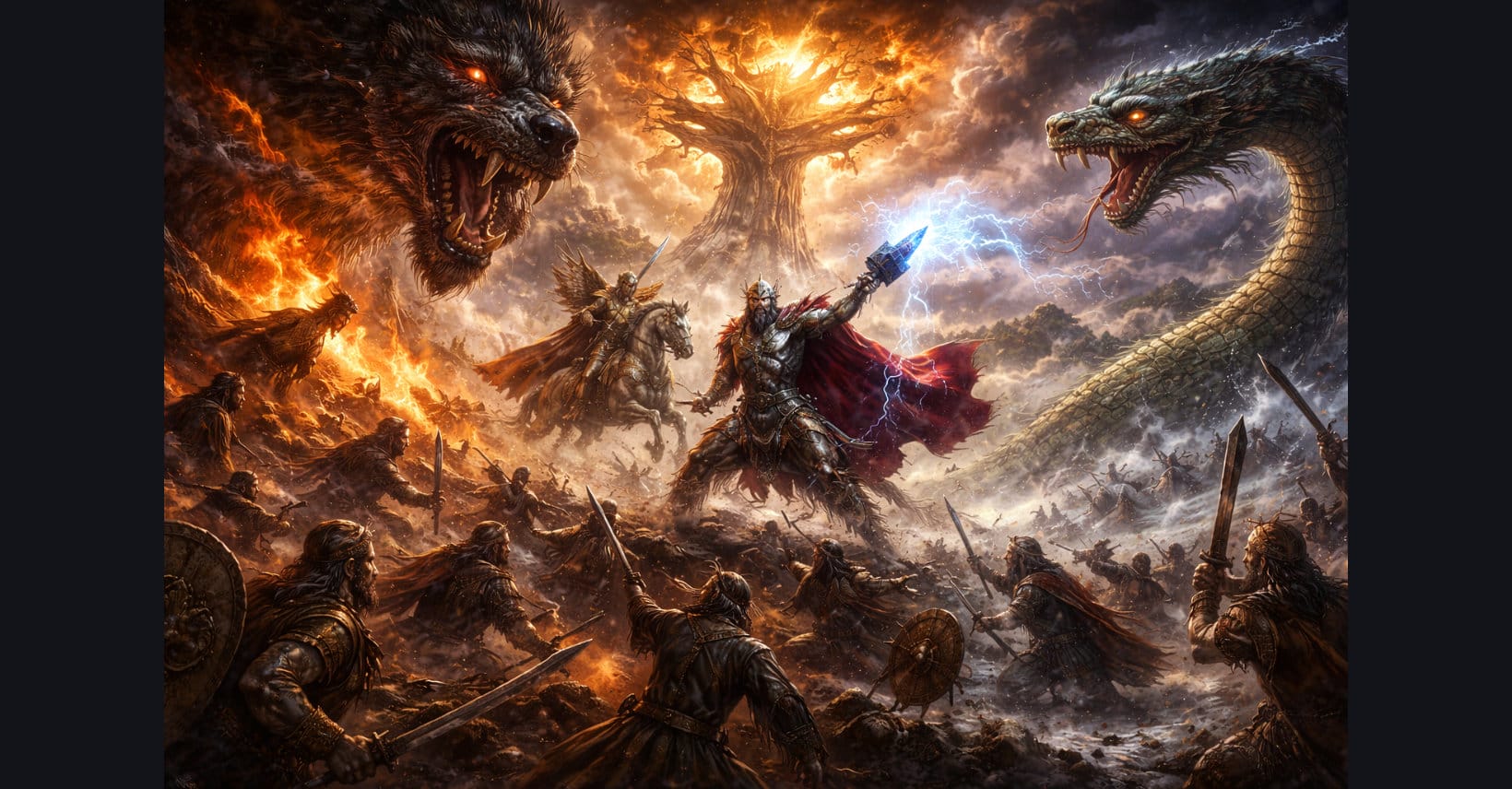
Norse Traditions: The Final Battle… …And the Narrative of Inevitable Cataclysm
Exploring the Norse vision of Ragnarök, this piece examines a worldview shaped by the certainty of an unavoidable end, where chaos and collapse are expected rather than resisted. It contrasts that tradition with biblical end-times language, asking how crisis narratives shape human response, authority, and discernment when upheaval redefines power.
-
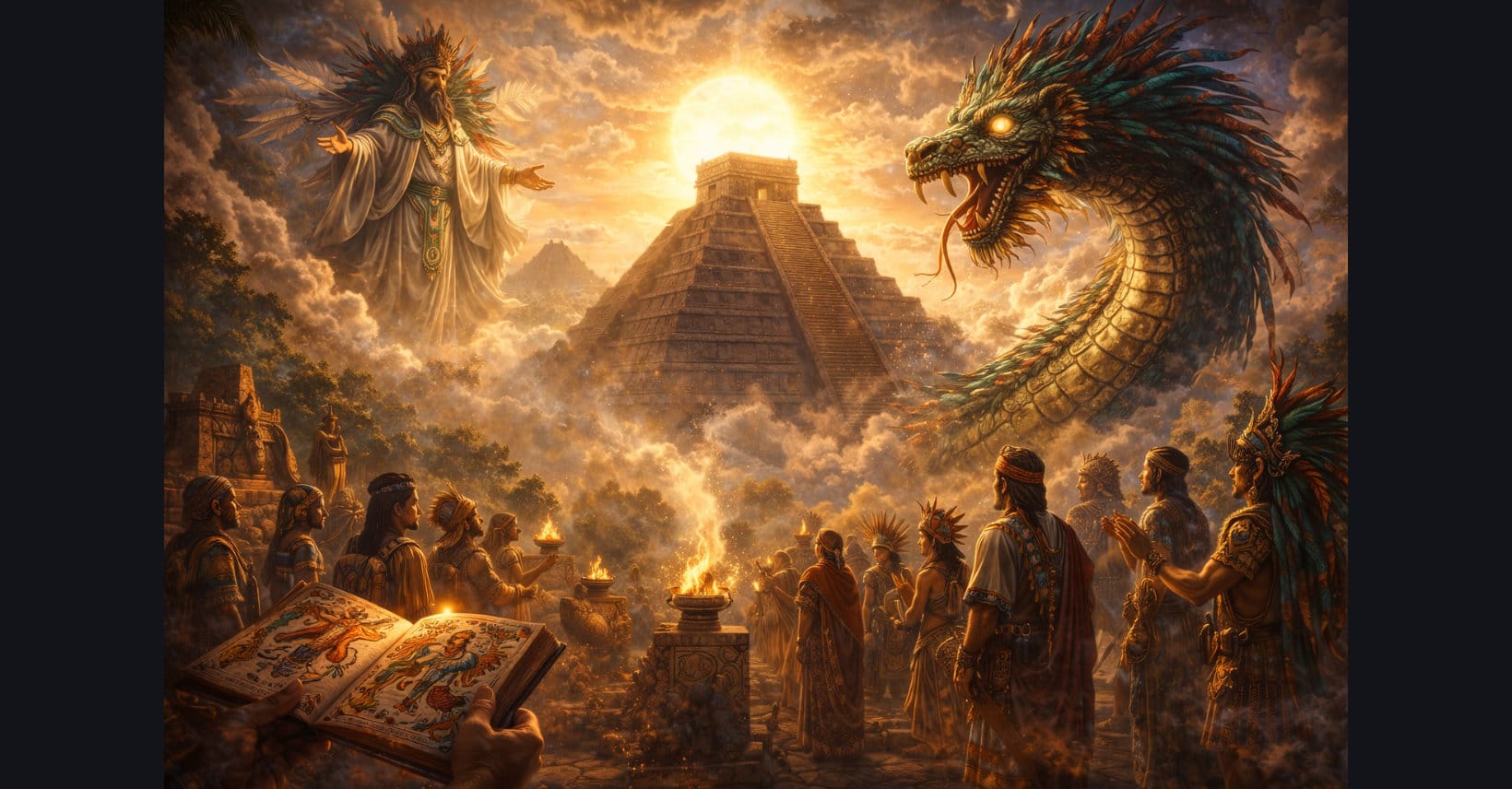
Mesoamerican Civilizations: The Returning Gods… …And the Expectation of Arrival
Mesoamerican traditions like those surrounding Quetzalcoatl reflect a powerful pattern of departure and expected return, shaping how future events are interpreted. This excerpt explores how preloaded belief can influence perception, drawing parallels to modern expectations of advanced beings and warning that expectation can override discernment when extraordinary claims appear to fulfill long-held narratives.
-
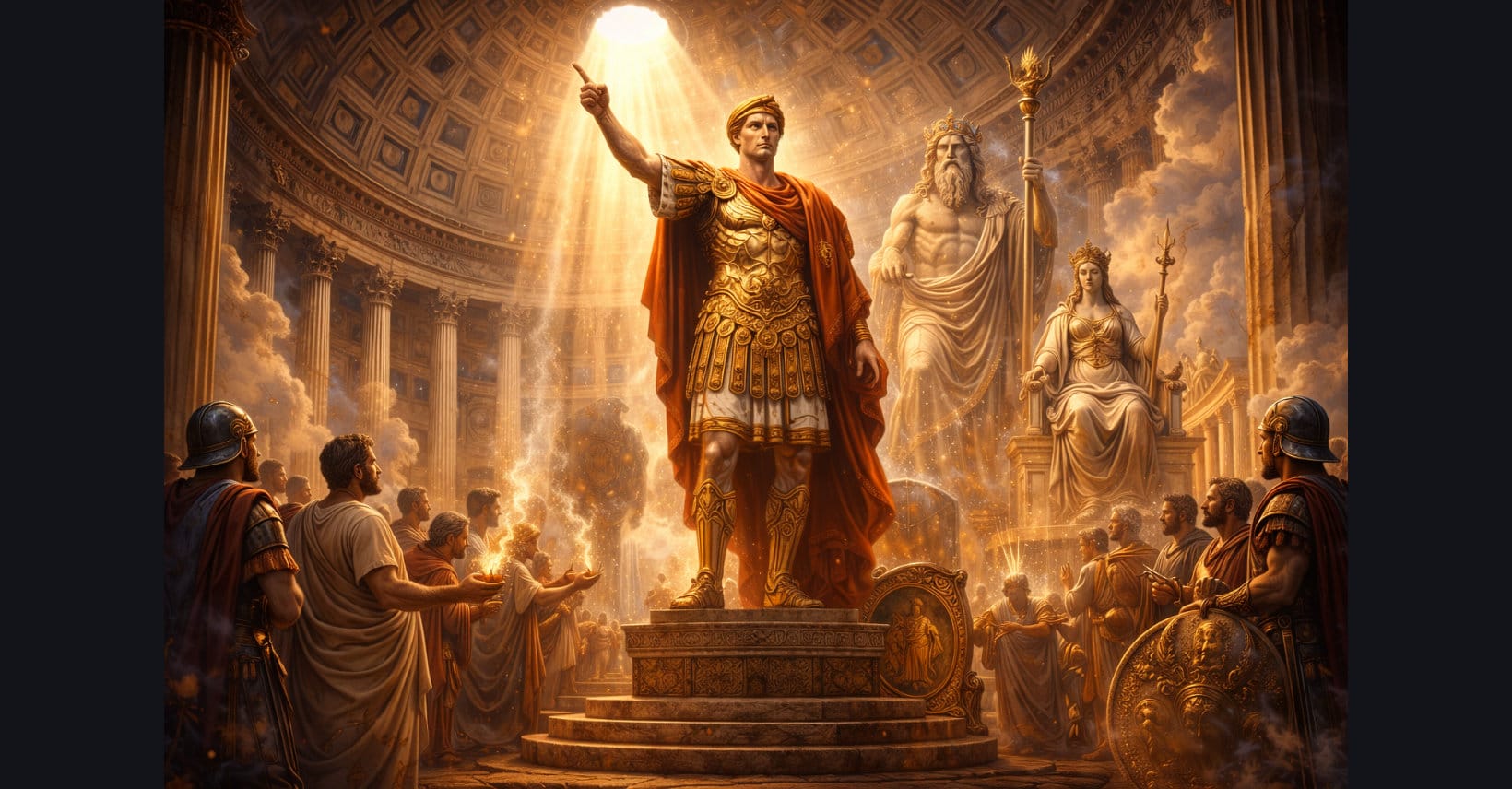
Ancient Rome: The Gods of Empire… …And the Illusion of Divine Authority
Rome turned religion into a system of governance, fusing the divine with state power through temples, rituals, and the imperial cult. This reflection explores how Roman authority became institutionalized as sacred truth, why unified belief makes power hard to challenge, and how similar patterns of legitimized authority can reappear in modern forms.
-
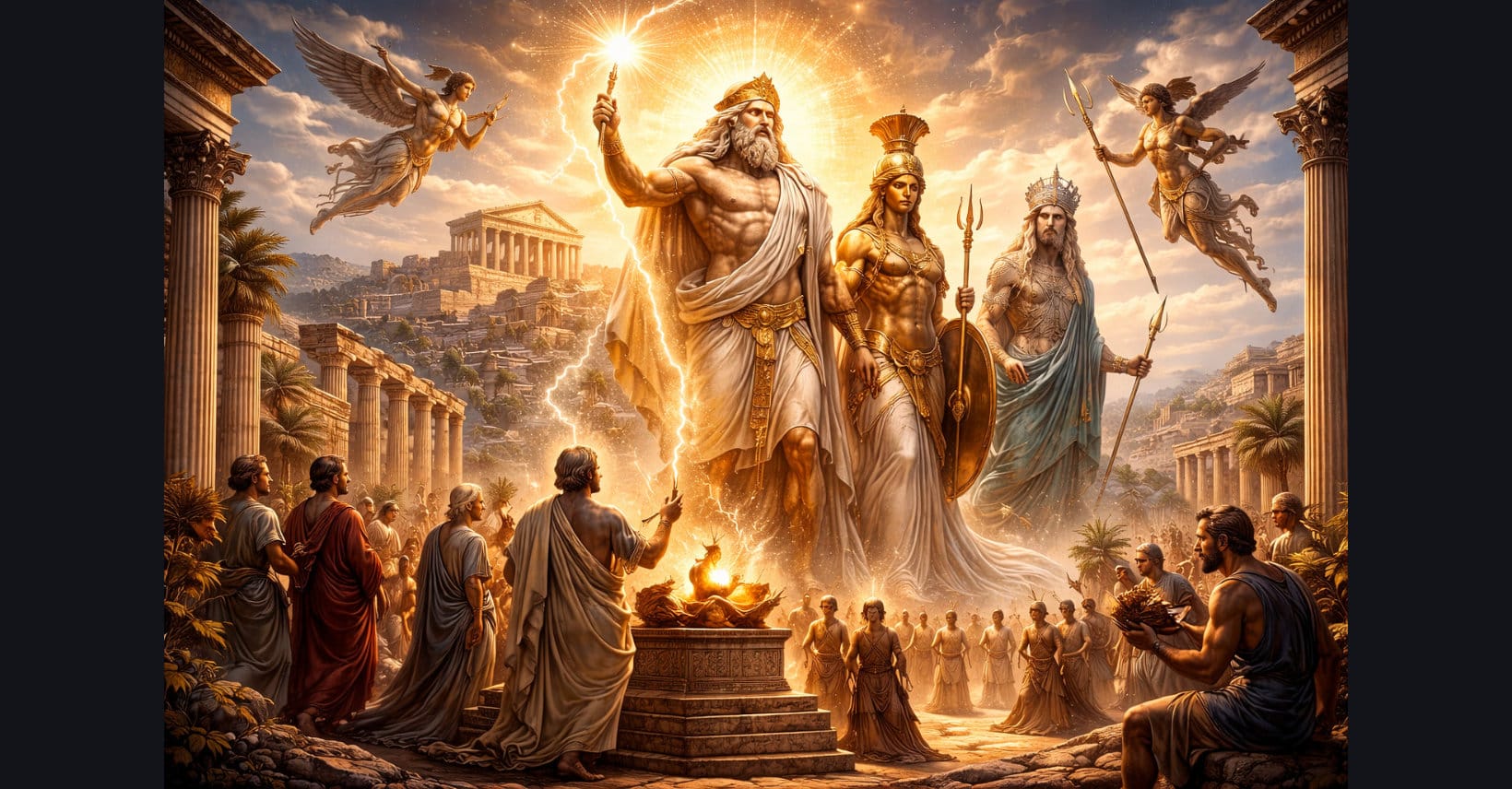
Ancient Greece: The Gods Among Men… …And the Normalization of the Supernatural
Ancient Greek mythology normalized gods who walked among humans, intervened in wars, and blurred the boundary between divine and mortal. This excerpt argues that such familiarity can shape expectations, making extraordinary beings easier to accept and misinterpret. It connects Greek myths like Prometheus to modern ideas about advanced non-human intelligences and discernment.
-
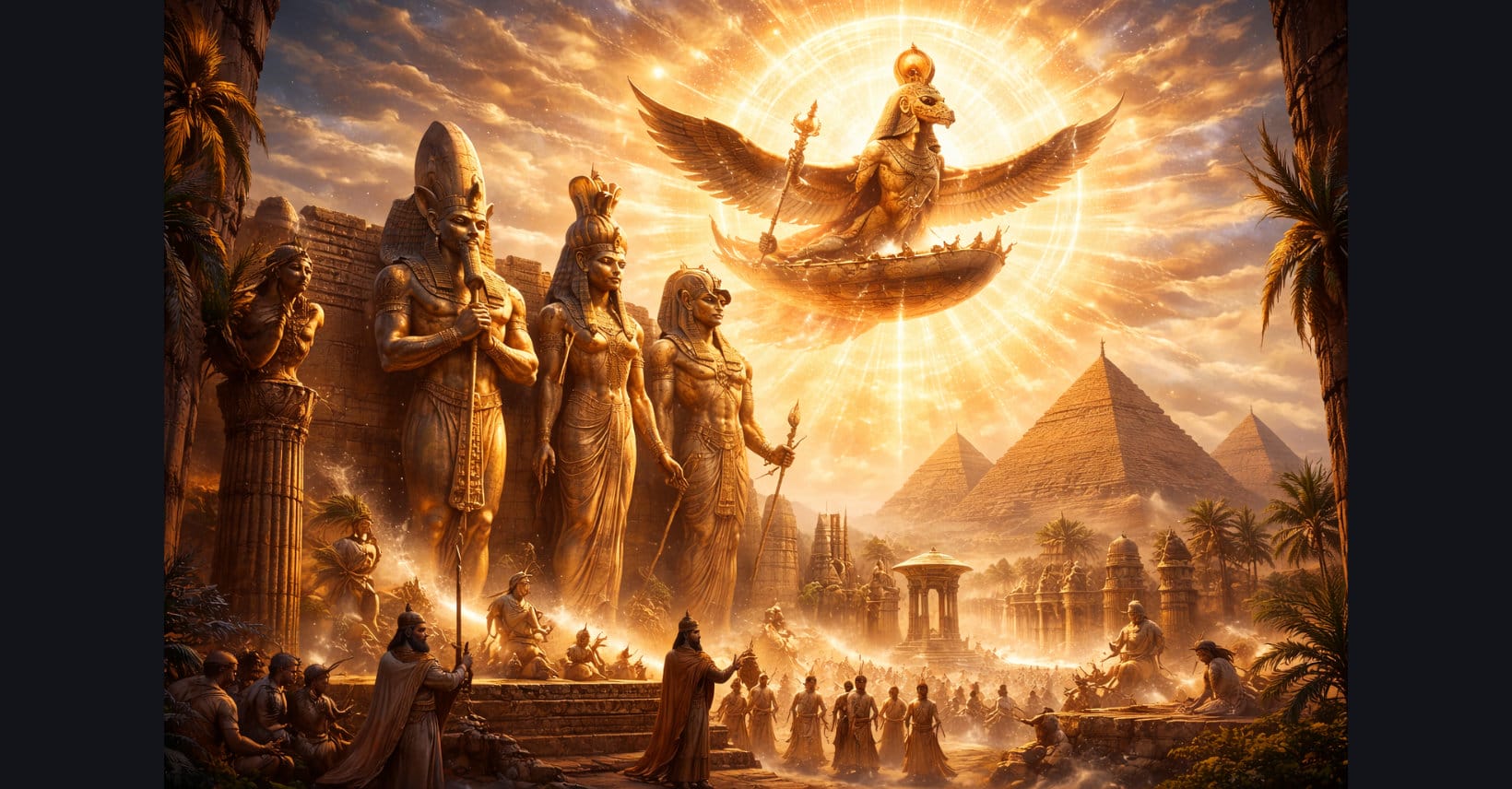
Ancient Egypt: The Gods of Creation… …And the Rewriting of Origins
Ancient Egypt is explored as a civilization built on a defined origin story, where gods like Ra, Osiris, and Isis shaped reality and justified authority through the Pharaoh. The piece compares this model with modern reinterpretations of ancient myths, contrasts it with the biblical creation account, and warns how false origins can lead to false…
-
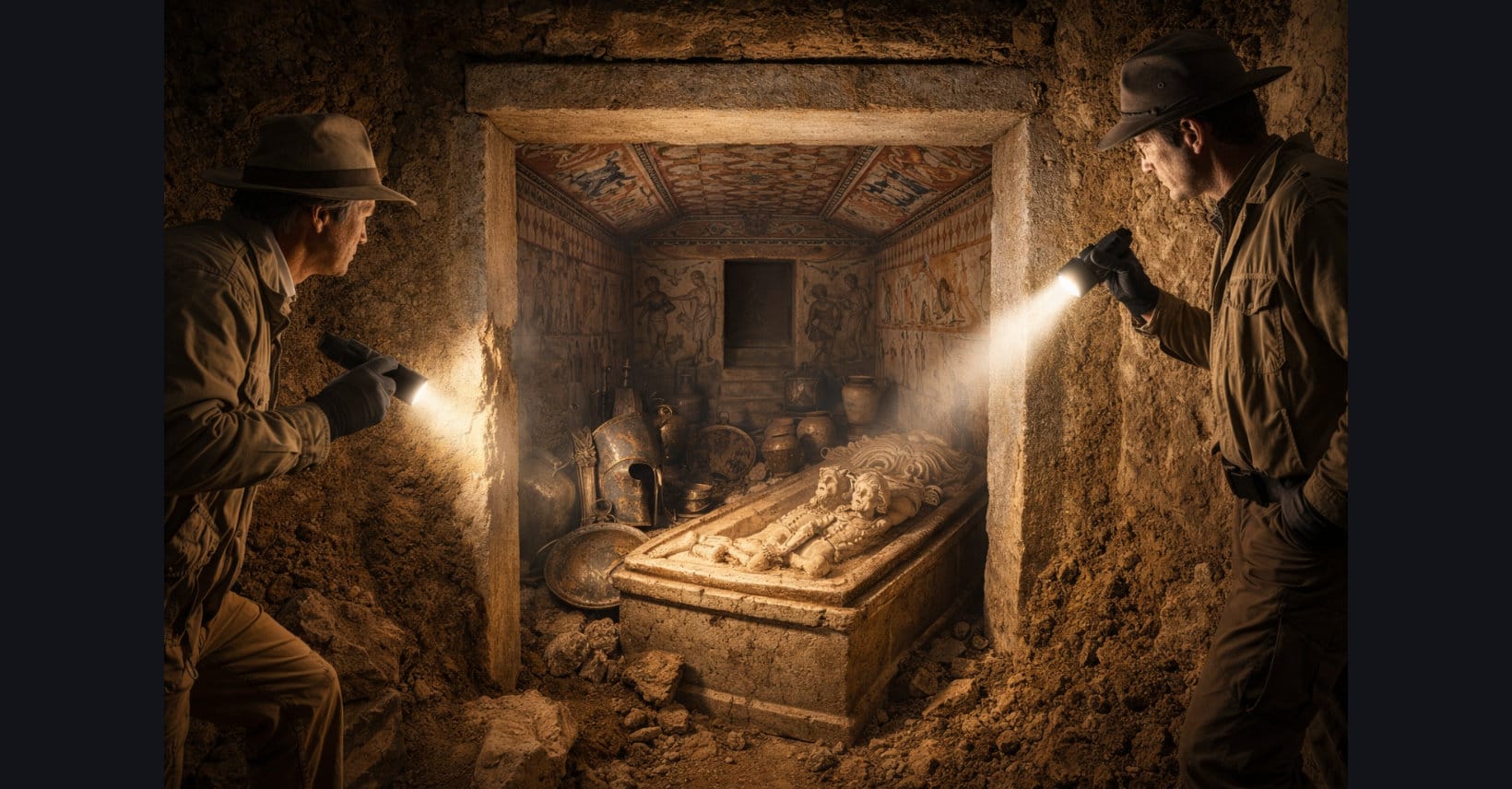
The Sealed Etruscan Tomb: Unearthing a Forgotten Spiritual World
A sealed 7th-century B.C. Etruscan tomb northwest of Rome has revealed four skeletons and more than 100 grave goods, offering a rare, intact look at elite burial customs before Rome’s rise. The discovery highlights the sophistication of Etruscan society and shows how modern archaeology continues to uncover human achievements that fuel both scholarship and speculation.