alien deception
-

SETI@home’s Final 100 Signals: The Search That Refused to Die Quietly
SETI@home has narrowed 12 billion possible detections to 100 candidate signals for further study, potentially with China’s FAST radio telescope. The piece reflects on the milestone as both a scientific achievement and a case study in how a civilization might normalize or quietly contain evidence of non-human intelligence through caution, complexity, and process.
-

The “Dorito Craft” Over Area 51: A Familiar Shape in a Familiar Place
A reported triangular “Dorito-shaped” aircraft near Area 51 has revived long-running UFO speculation, but the larger point is the persistent pattern of triangle sightings over decades. From a skeptical, conspiracy-aware view, the real mystery is not whether it was aliens, but why secrecy, uncertainty, and unexplained aerial anomalies keep recurring in the same places.
-
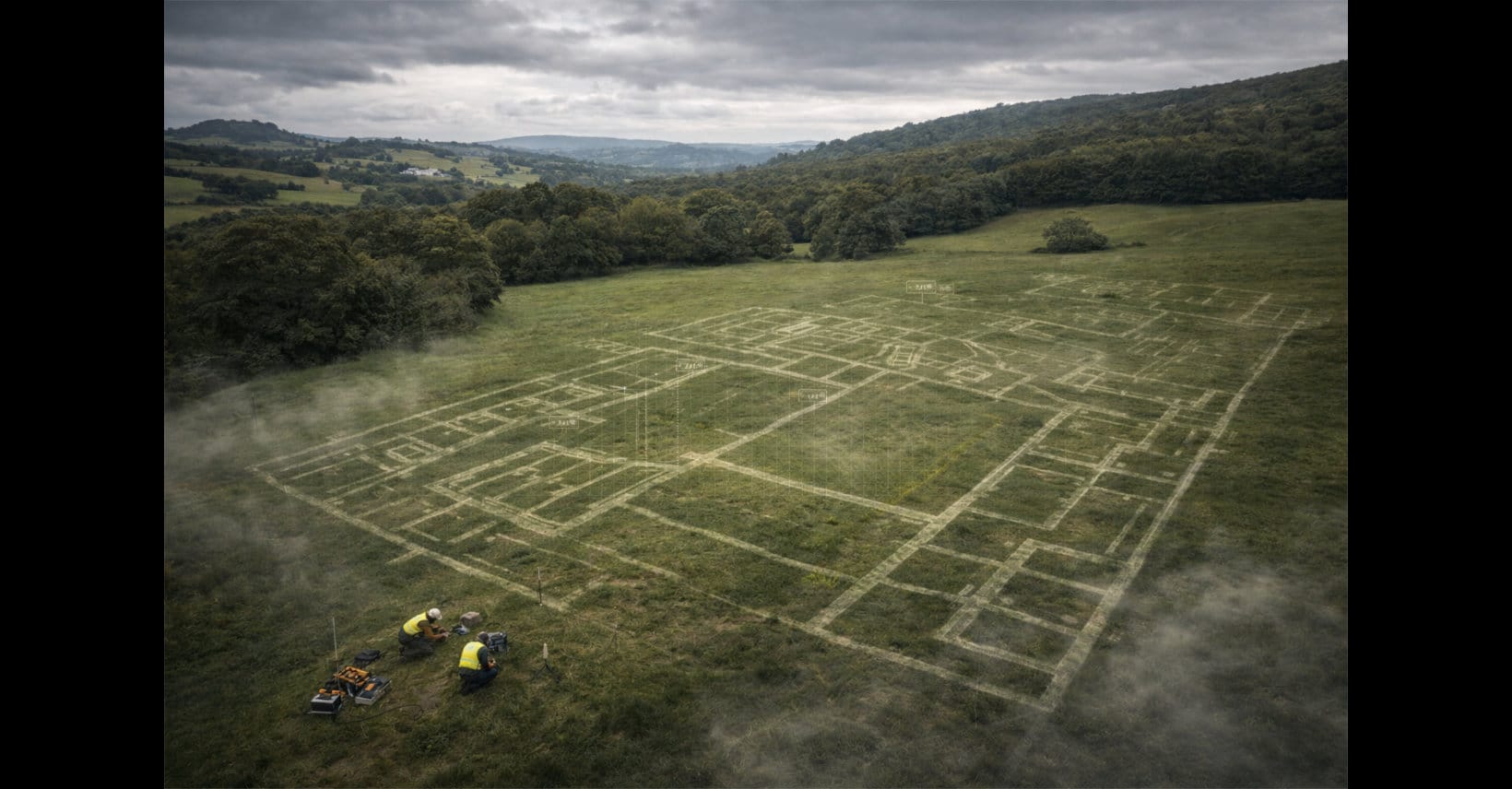
“Port Talbot’s Pompeii”: The Roman Mega-Villa That Makes Britain’s Past Look Edited
Archaeologists at Margam Country Park near Port Talbot, South Wales, have uncovered the footprint of what may be the largest Roman villa complex ever found in Wales. Detected by ground-penetrating radar, the 4th-century site suggests a major agricultural center and points to a more complex, productive Roman presence in Wales than previously assumed.
-
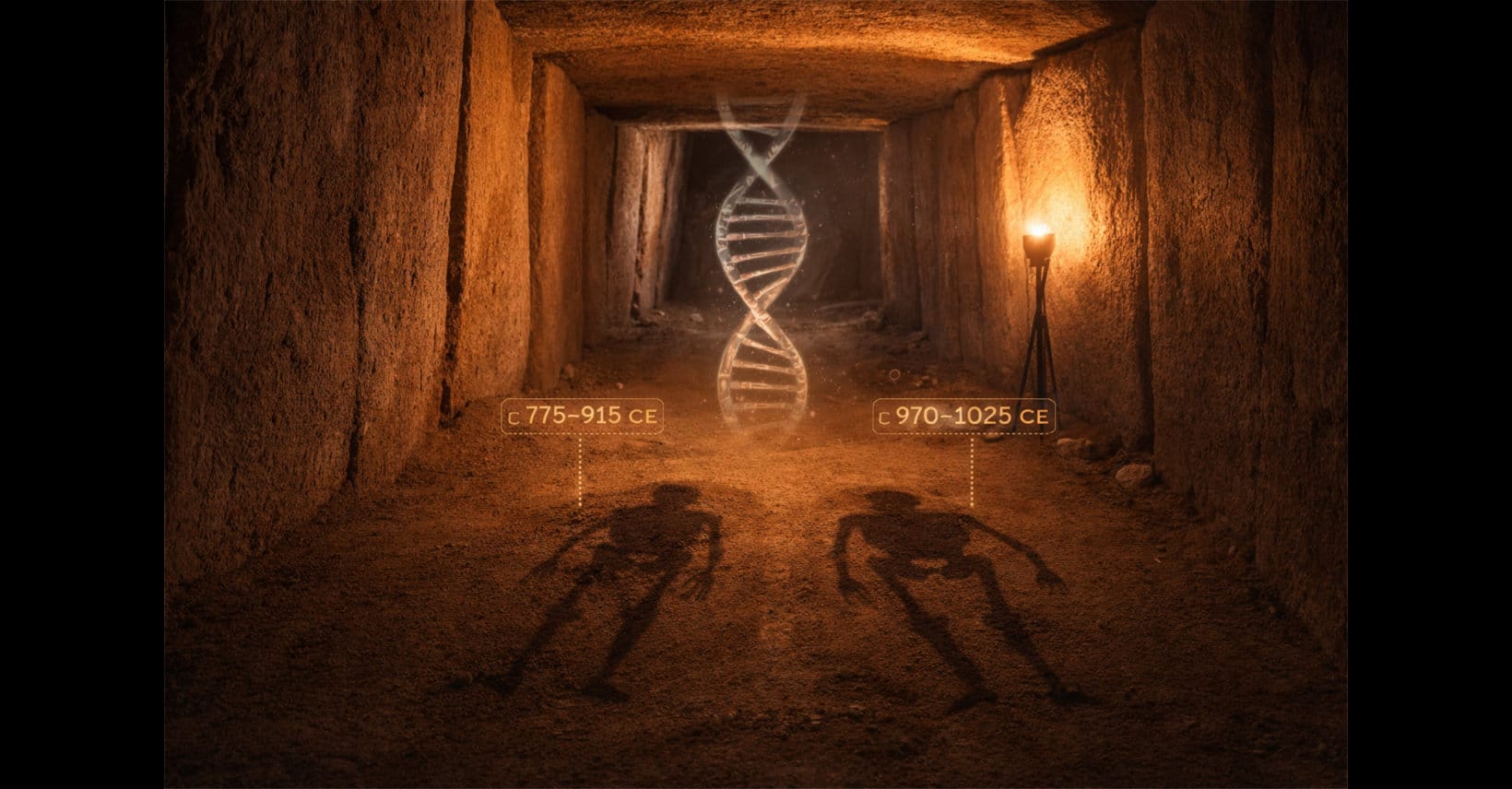
Menga Dolmen’s Medieval Burials: A Megalith That Refused to Become a Ruin
A new analysis of the Menga Dolmen in Andalusia reveals that two men were buried there between the 8th and 11th centuries CE, showing the Neolithic monument remained ritually active long after its construction. Radiocarbon dating and degraded DNA indicate later communities deliberately reused the site, aligning the face-down burials with the dolmen’s axis.
-
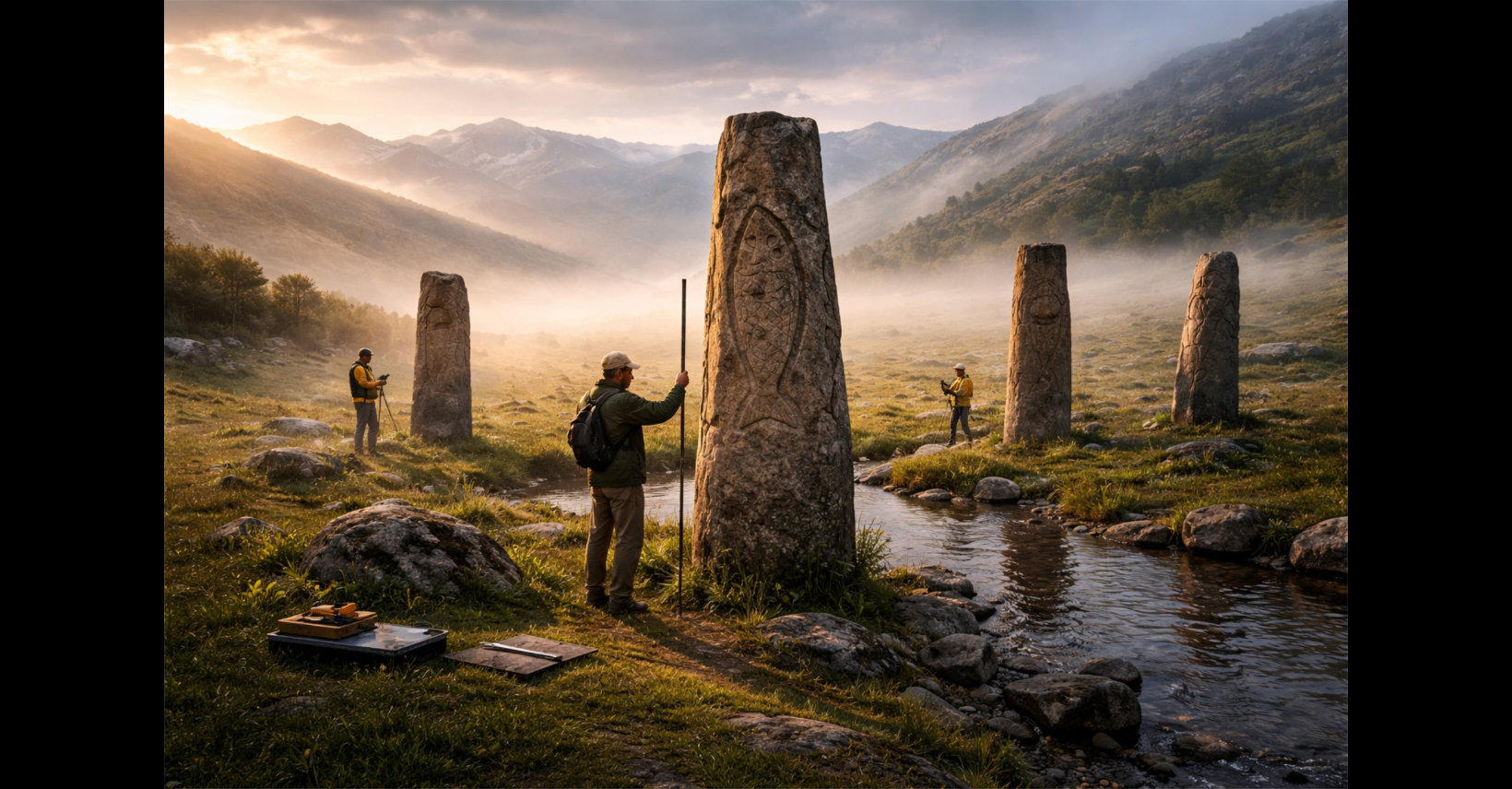
“Dragon Stones” of Armenia: 8,000-Year-Old Monoliths That Look Like a Warning Marker
New research suggests Armenia’s vishaps, or “dragon stones,” may date back 8,000 years and were often placed near springs and streams on Mount Aragats. Carved with fish and other animal figures, these monoliths may have marked water resources, territory, and ritual meaning, hinting at an ancient system where practical survival and symbolism were deeply linked.