ancient ritual sites
-
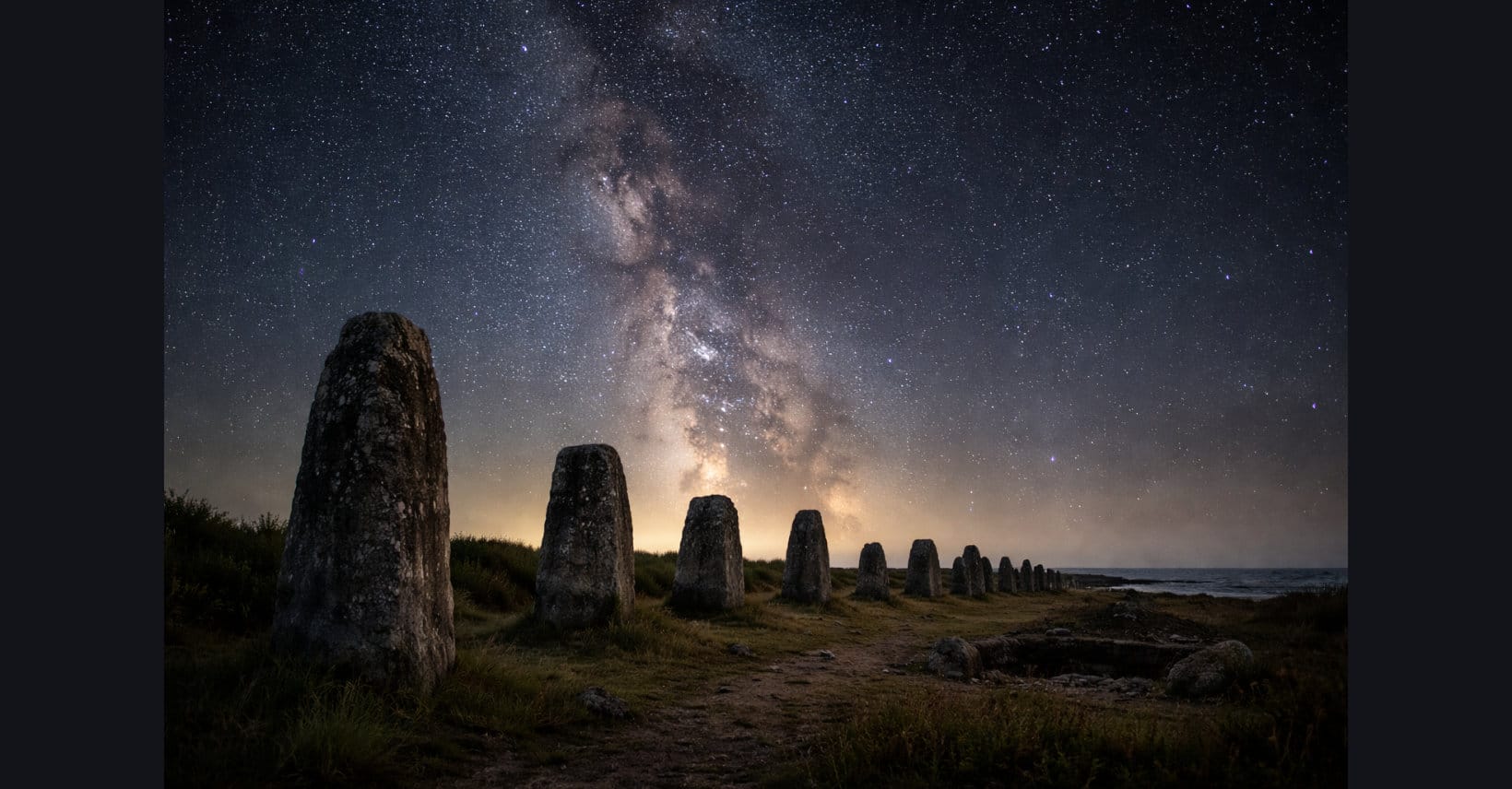
A 6,300-Year-Old Stone Monument Complex in France Rewrites Ritual Prehistory
Archaeologists in Brittany, western France, have uncovered a 6,300-year-old Neolithic stone complex with monumental standing stones, aligned slabs, and ceremonial features. Radiocarbon dating suggests organized ritual architecture in Western Europe began far earlier than once thought, challenging assumptions about early human society, symbolic belief, and the origins of megalithic construction.
-
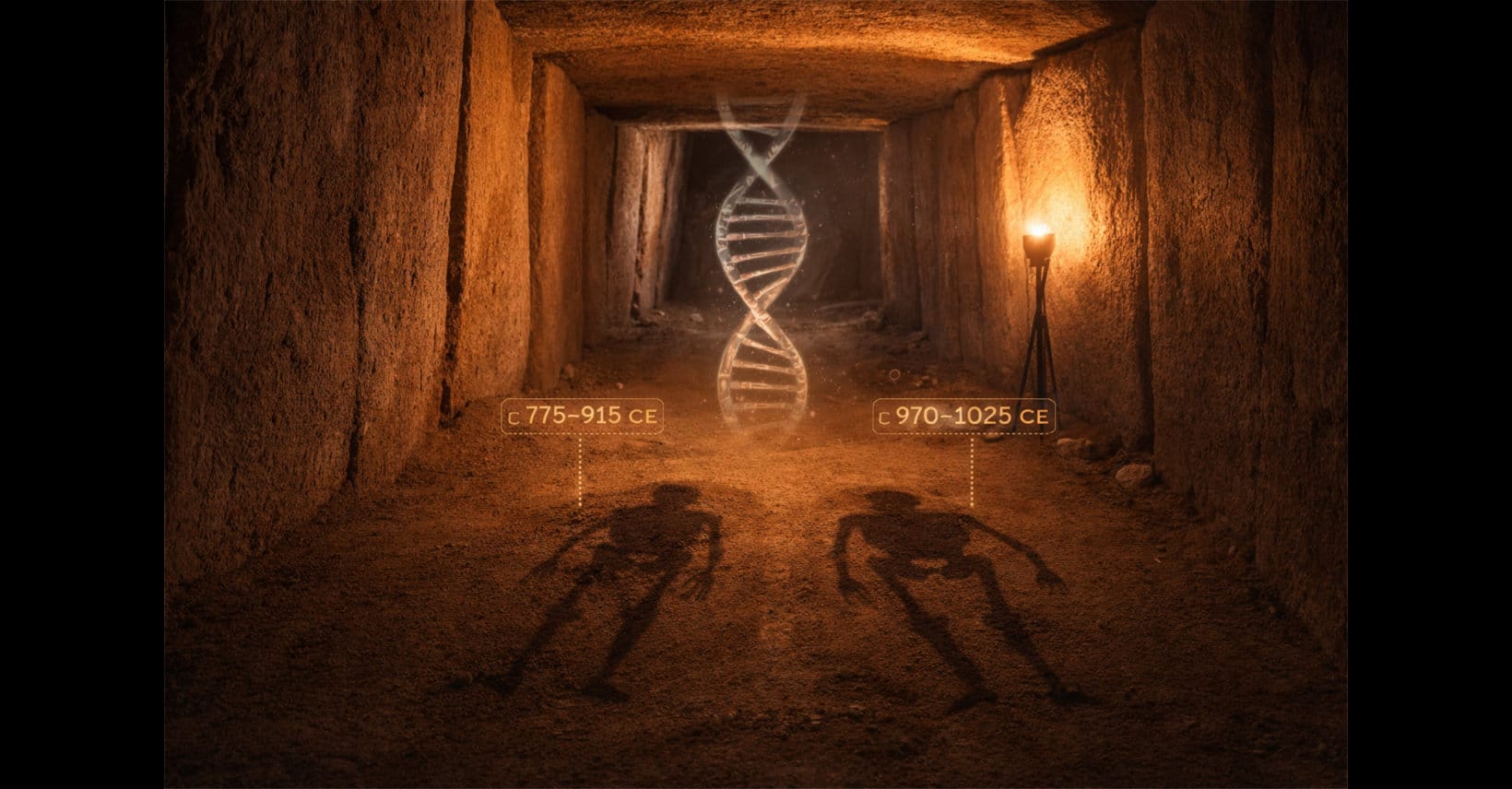
Menga Dolmen’s Medieval Burials: A Megalith That Refused to Become a Ruin
A new analysis of the Menga Dolmen in Andalusia reveals that two men were buried there between the 8th and 11th centuries CE, showing the Neolithic monument remained ritually active long after its construction. Radiocarbon dating and degraded DNA indicate later communities deliberately reused the site, aligning the face-down burials with the dolmen’s axis.
-

“Dragon Stones” of Armenia: 8,000-Year-Old Monoliths That Look Like a Warning Marker
New research suggests Armenia’s vishaps, or “dragon stones,” may date back 8,000 years and were often placed near springs and streams on Mount Aragats. Carved with fish and other animal figures, these monoliths may have marked water resources, territory, and ritual meaning, hinting at an ancient system where practical survival and symbolism were deeply linked.